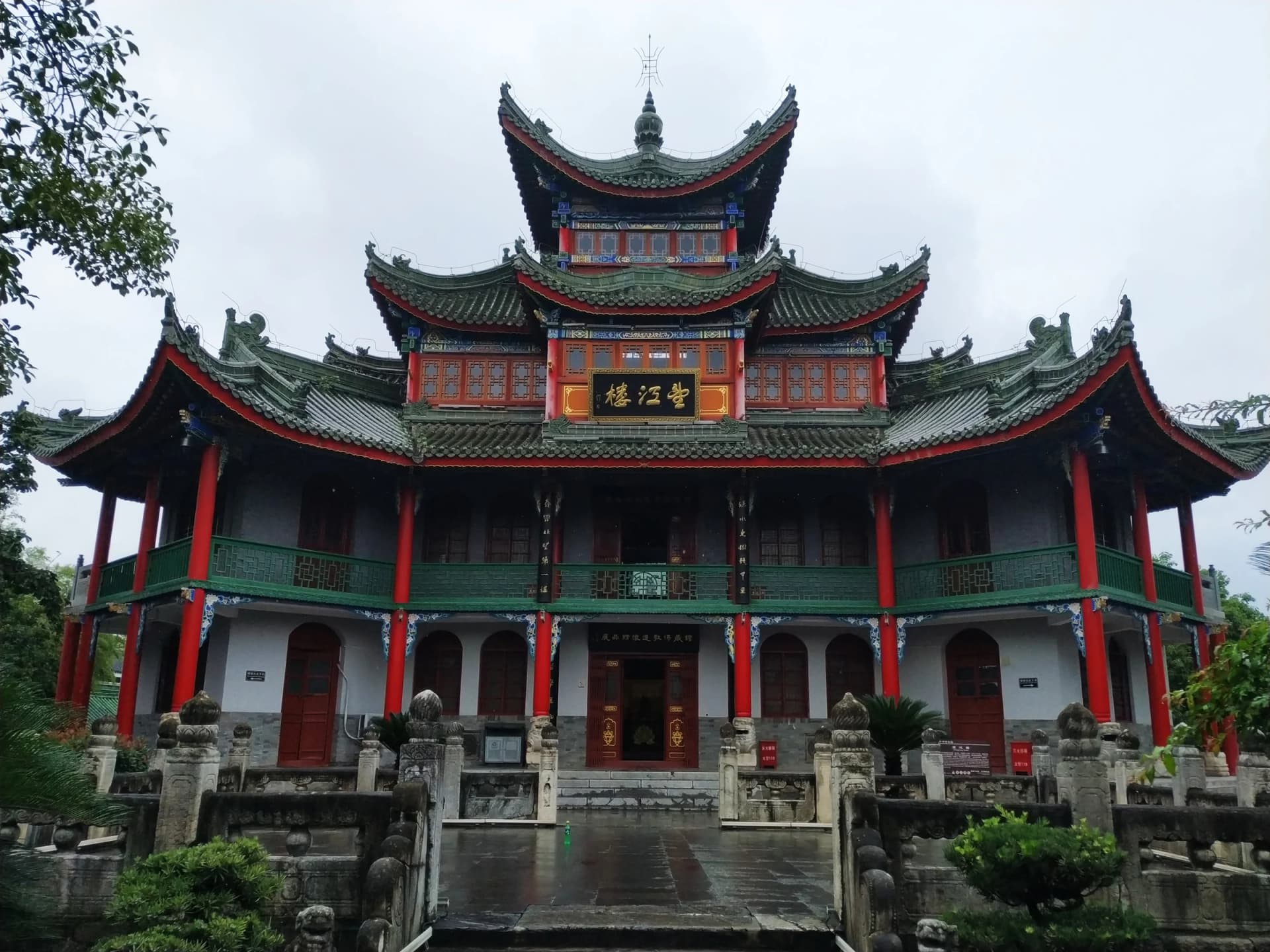
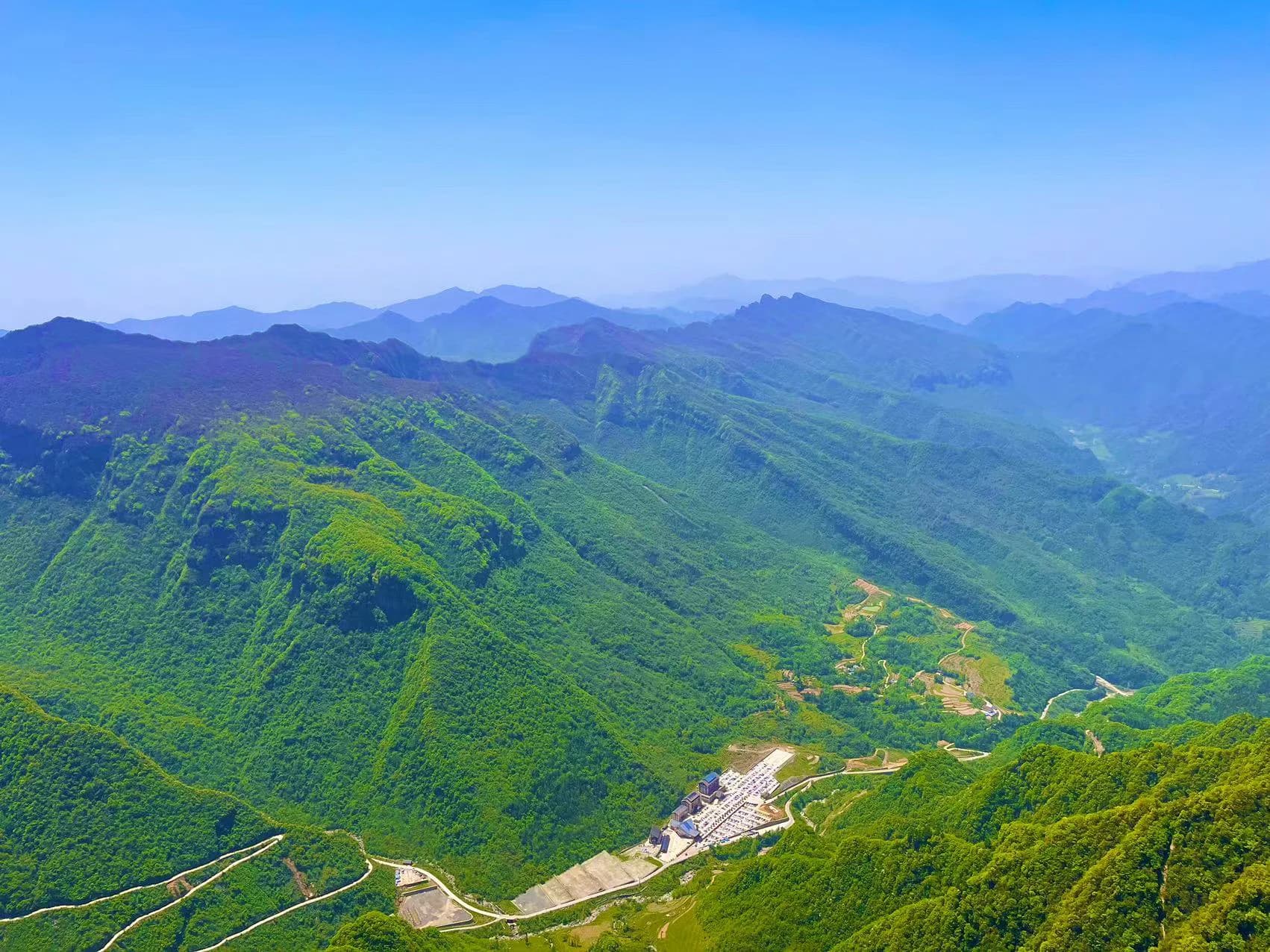
Shimen Plank Road
Shimen is worth visiting for a layered story, not for one surviving wooden walkway. The Baoxie corridor once linked the Qin heartland and Sichuan basin; its inscriptions became landmarks of Chinese calligraphy. Reservoir engineering, bridges and scenic reconstruction now occupy the same valley. The current reduced visit still makes those layers visible, provided you arrive expecting interpretation and landscape rather than a complete elevated trek.
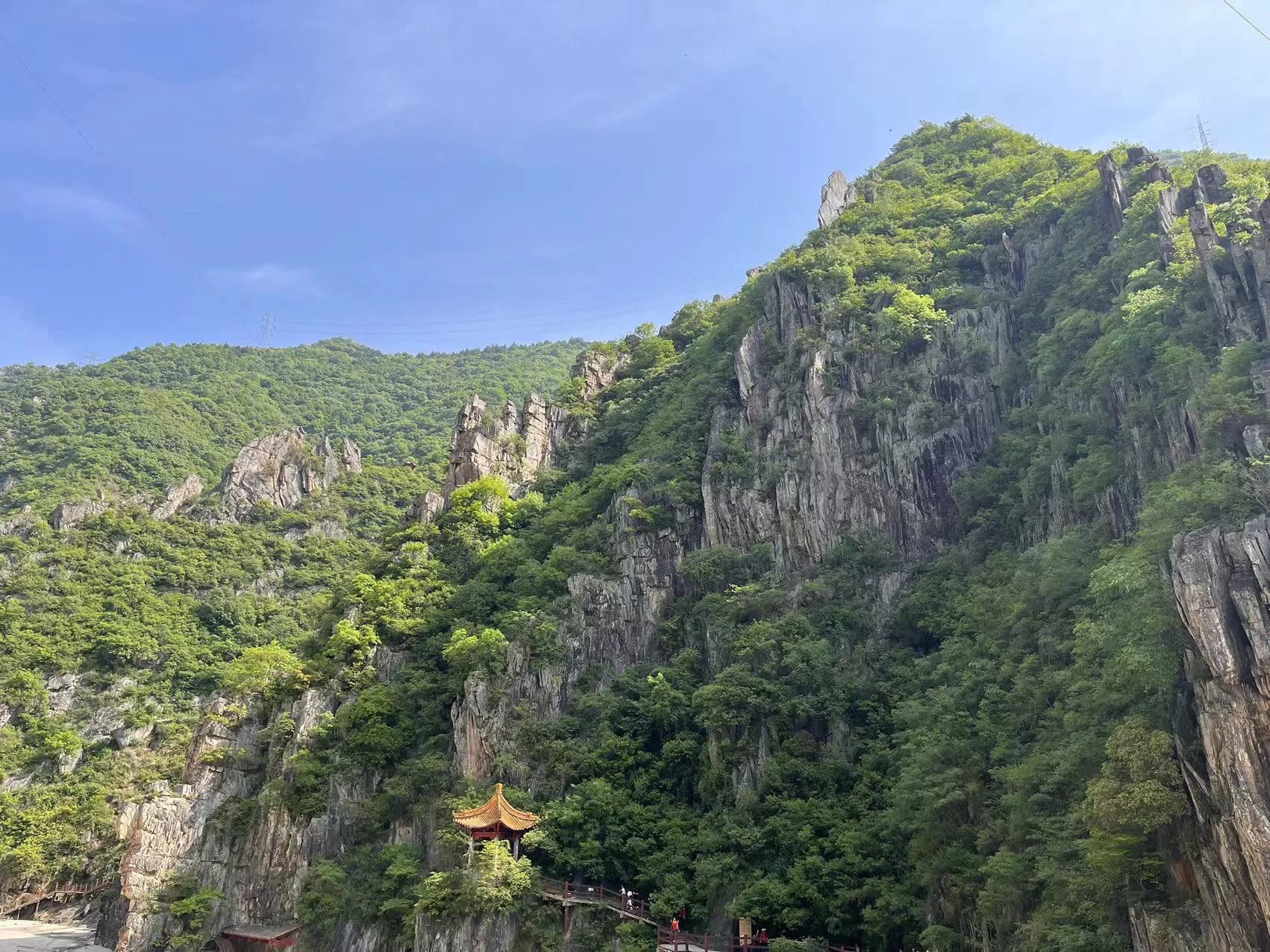
Photo: Nishino Asuka · Source · CC BY-SA 4.0
Read the Qin–Shu road beside the reservoir
Use the gorge to understand why road building here mattered: steep rock, narrow water, engineered crossings and a route between regions. Then connect the landscape to the Shimen inscriptions displayed at Hanzhong Museum. This creates a better visit than treating every modern boardwalk or carved replica as Han-era fabric.
Arrive at the exact visitor centre
Navigate to Shimen Plank Road Visitor Centre, not the broad scenic-area centre point. A dated road model placed it about 16.1 km / 26 minutes from Hanzhong Station. Current public transport was not proved, so use a live planner, qualified shared product or confirmed car and settle the return before entry.
Choose the current reduced visit honestly
Ordinary visitors in May–August 2026 found the west path, dam-side path and lower Shimen section unavailable. The clean operator notice limits the visit to the area south of Cuiping Bridge while rockfall-hazard work continues.
That leaves a real, gentler product:
- ancient-road and inscription interpretation;
- riverfront and reservoir-engineering context;
- gorge and bridge views from the managed open area;
- a slower outing for visitors who do not need a long hike.
If your only goal is the complete plank-road walk, wait for a dated operator reopening notice. A visitor-reported repair estimate is not a reopening.
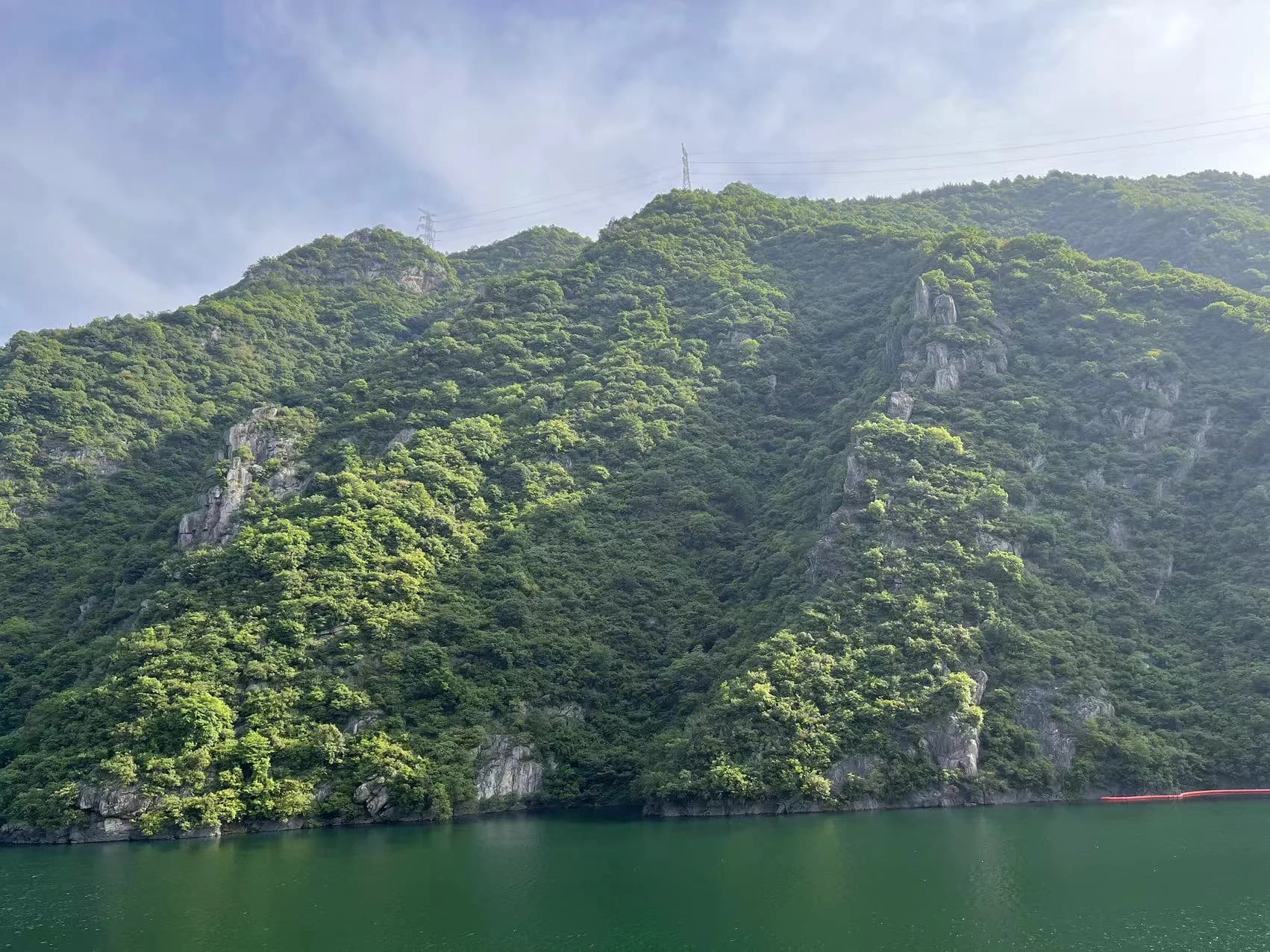
Photo: Nishino Asuka · Source · CC BY-SA 4.0
Separate originals, displays and reconstructions
The original Shimen inscription tradition is best understood through the protected museum display in central Hanzhong. Inside the scenic area, identify a feature by its label: modern water infrastructure, reconstructed plank-road form, bridge, replica or landscape. Do not call a scenic structure the intact ancient Qin–Shu road.
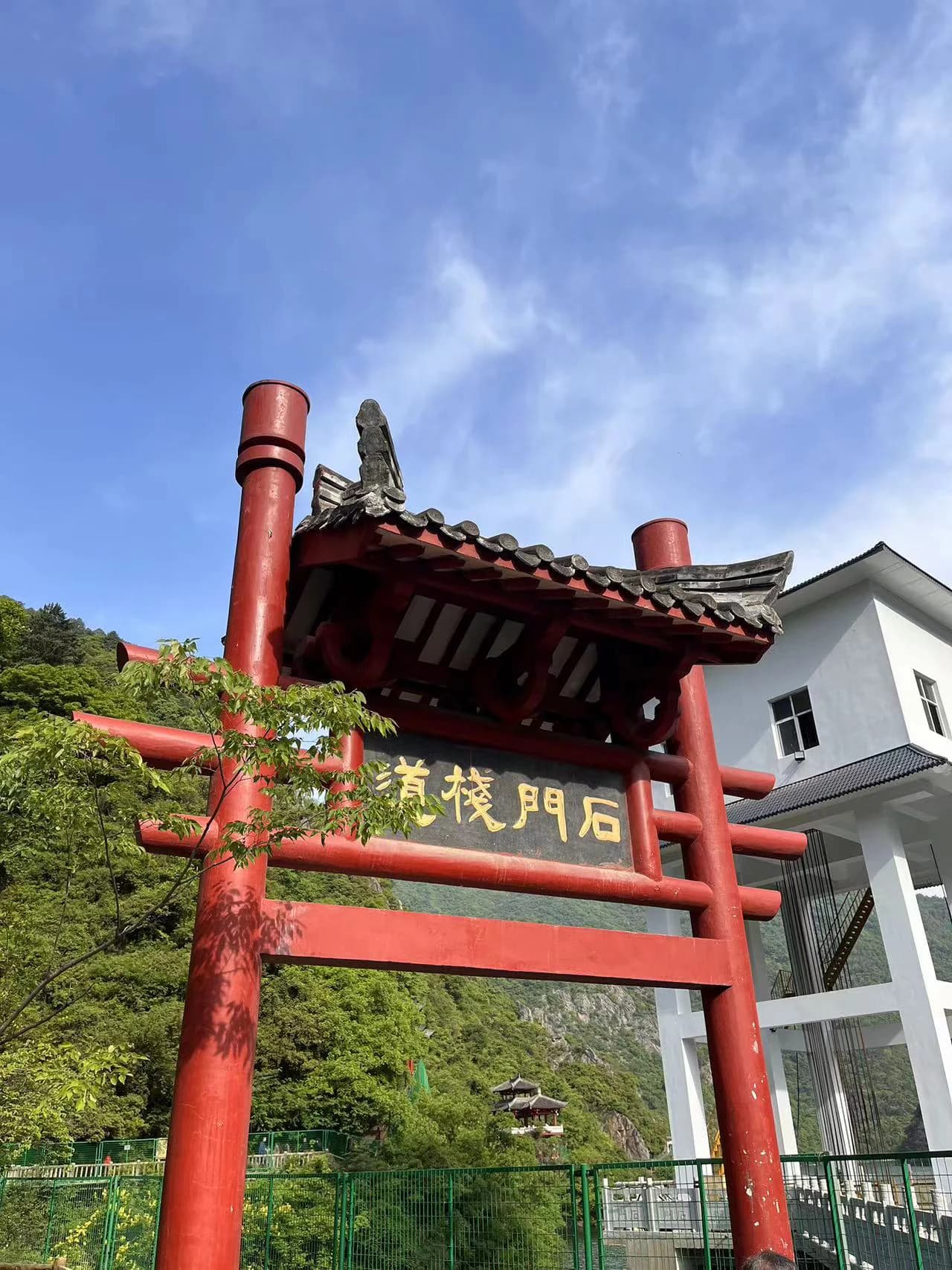
Photo: Nishino Asuka · Source · CC BY-SA 4.0
Resolve the return before entry
Do not wait until closing time to discover that the selected product is outbound only. Record the driver's contact, a live car option or a confirmed pickup before entering. Leave margin for a changed open section, rain and the road back to Hanzhong.
The dated map geometry and an attraction ticket do not prove a tourist bus, boat, scenic vehicle, last departure or pickup point.
Keep the ticket and one-way transfer boundary clear
The Trip.com resource checked on August 23, 2026 combined admission with a one-way shared vehicle from Hanzhong to Shimen. Passport was selectable in the traveler form. It did not include the return, and its cancellation cutoff was strict.
Check the exact Shimen product, then confirm the chosen date, current open route, outbound meeting point, original passport, cancellation and independent return. Do not read an attraction headline as an admission-only product.
Recheck weather and the open route
Rain, rockfall work, reservoir operation and maintenance can change the managed area. Check the latest operator notice on the morning of travel and follow barriers on site. The right decision is simple: enjoy the reduced cultural-and-riverfront product when that is enough, or postpone if the full path is essential to you.