Hanzhong Museum
Hanzhong Museum is most rewarding when treated as a conversation between two compounds. Ancient Hantai holds the stronger collection: city history, the Baoxie road model and the Shimen Thirteen Inscriptions. Baijiang Altar, about a kilometre away, shifts from objects to the later memorial tradition around Liu Bang appointing Han Xin. The contrast turns a small museum visit into a readable half day.
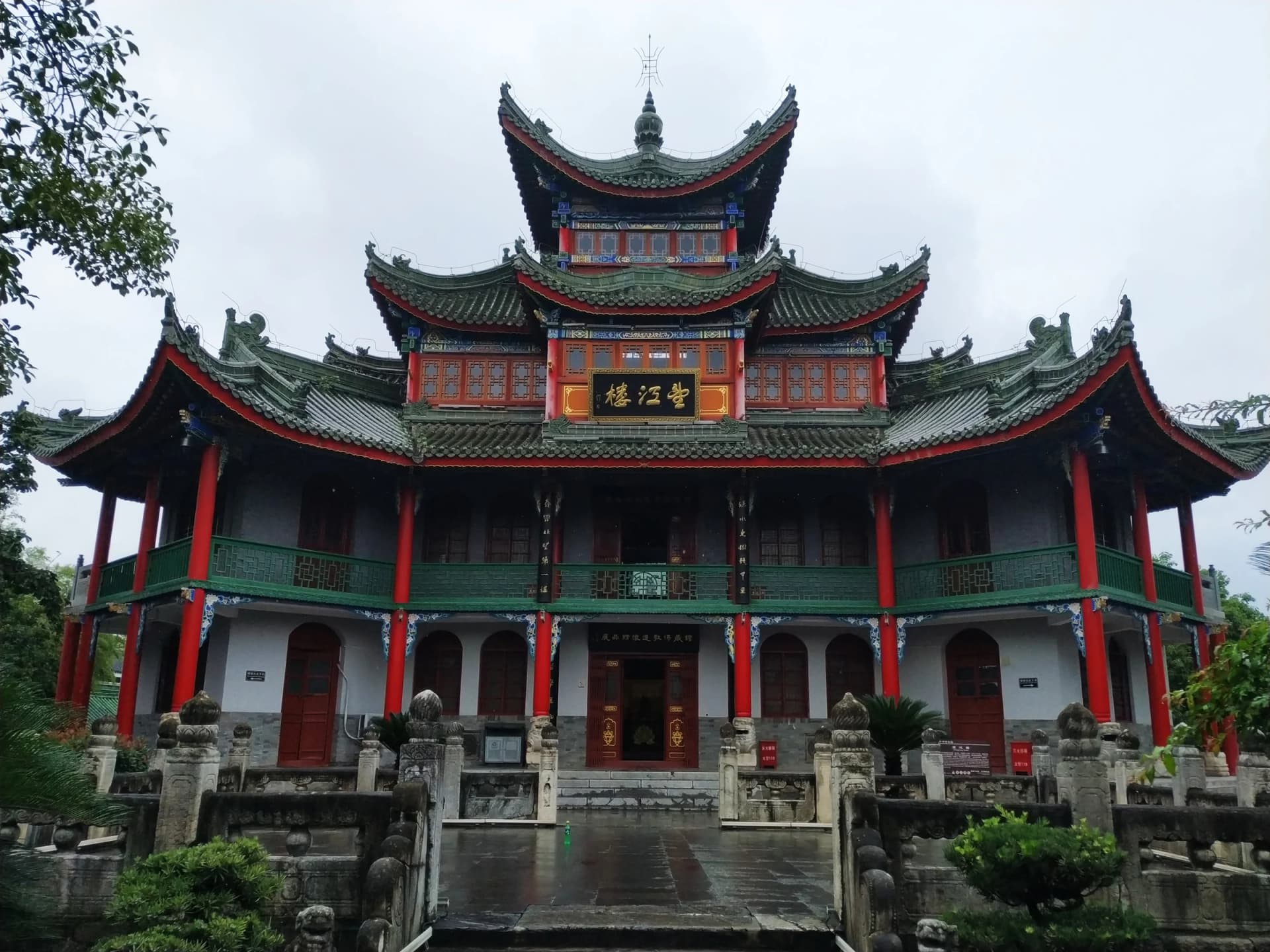
Photo: Tyen-Shyang Chyu · Source · CC BY-SA 4.0
Read Han history across two separate compounds
Begin with evidence, then move to memory. Ancient Hantai explains why Hanzhong matters to the Han story and preserves the city's inscription tradition. Baijiang Altar explains how later generations commemorated Han Xin. Keep archaeology, surviving objects, later buildings and popular traditions distinct; that distinction makes the story richer, not weaker.
Start at Ancient Hantai
Enter through the current visitor process and work selectively: Hanzhong's urban history, the ancient Baoxie transport corridor, the Shimen inscriptions, then a few objects that connect Western Han and later local life. Do not try to read every label before you have understood the road-and-inscription story.
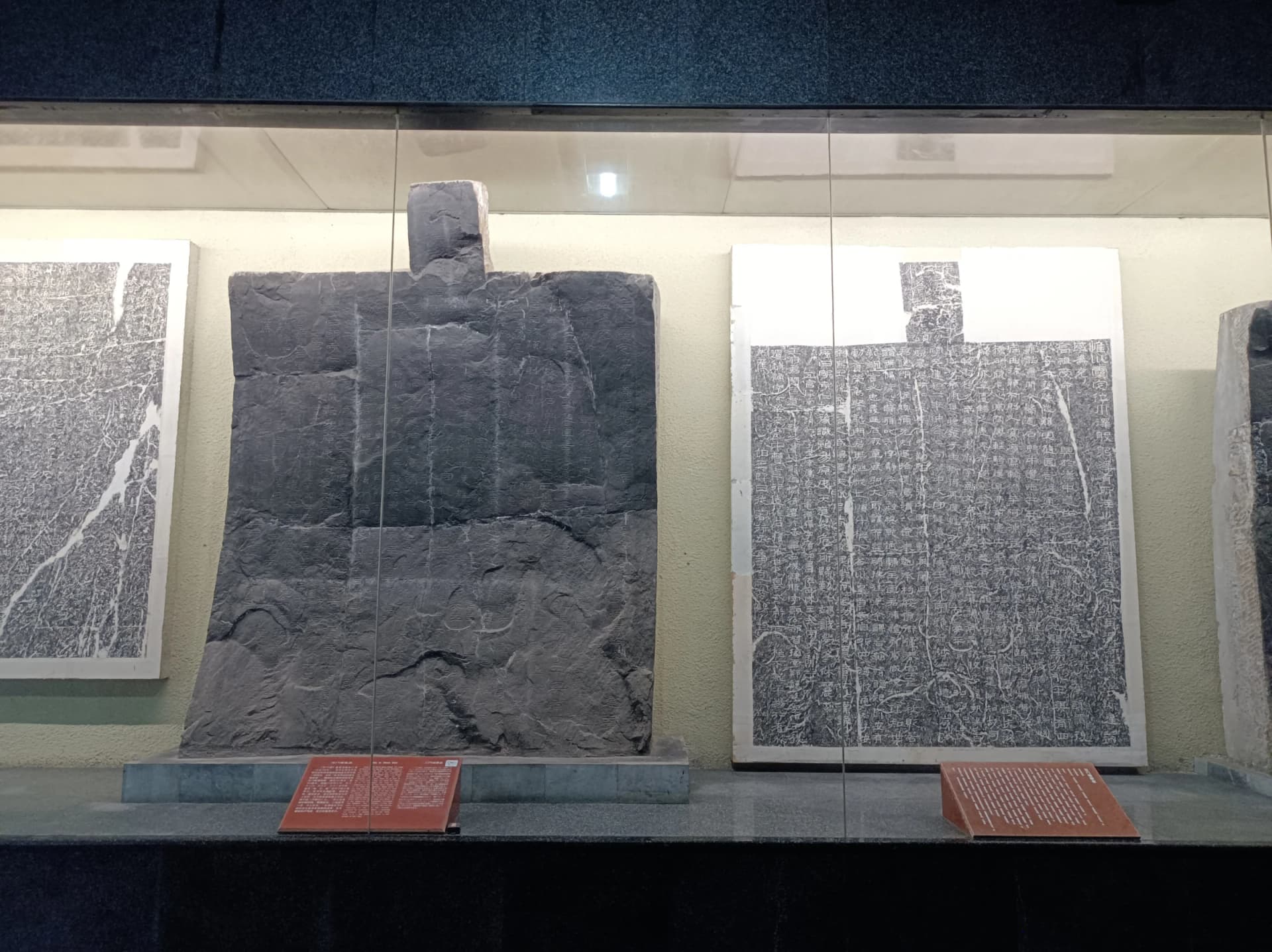
Photo: K.Y.K.Z.K. · Source · CC BY-SA 4.0
The celebrated inscriptions are protected and displayed through this museum context. Reconstructions at the scenic Shimen attraction are interpretation, not the original inscribed stones still in the gorge.
Make the inscriptions readable, even without Chinese
Use the Baoxie road display (褒斜古栈道陈列) to establish the setting before spending time with the stones. The model helps explain how a road could pass through a steep valley and why maintaining that connection mattered. Then bring that question into the inscription gallery: what work or event did this text commemorate?
Choose two longer inscriptions for comparison:
- Shimen Song (石门颂): look at the spacing, extended strokes and relationship between the writing and the irregular stone surface. Read the summary for its account of work on the Baoxie route.
- Shimen Ming (石门铭): compare its Northern Wei lettering with the earlier Han inscription. Even if you cannot read the words, differences in stroke shape and rhythm give you a way into the calligraphy.
Finish with one of the large-character inscriptions, such as Gun Xue (衮雪). Compare how a short phrase occupies the rock with the denser historical texts. Keep traditional authorship stories separate from what the label establishes about the surviving inscription.
The local heritage account of the Shimen inscriptions connects these works with road building and the valley landscape. After that focused sequence, choose either more city-history objects or the separate Han Xin memorial; you do not need to read every stone to have understood the museum's distinctive value.
Choose Baijiang Altar as a paid addition
Walk about 1.0 km / 14 minutes to Baijiang Altar if the Han Xin narrative interests you. The compound is a separate paid product, not a wing included in free Ancient Hantai admission. Its value lies in memorial architecture, the appointment tradition and the way Hanzhong has retold the story over time.
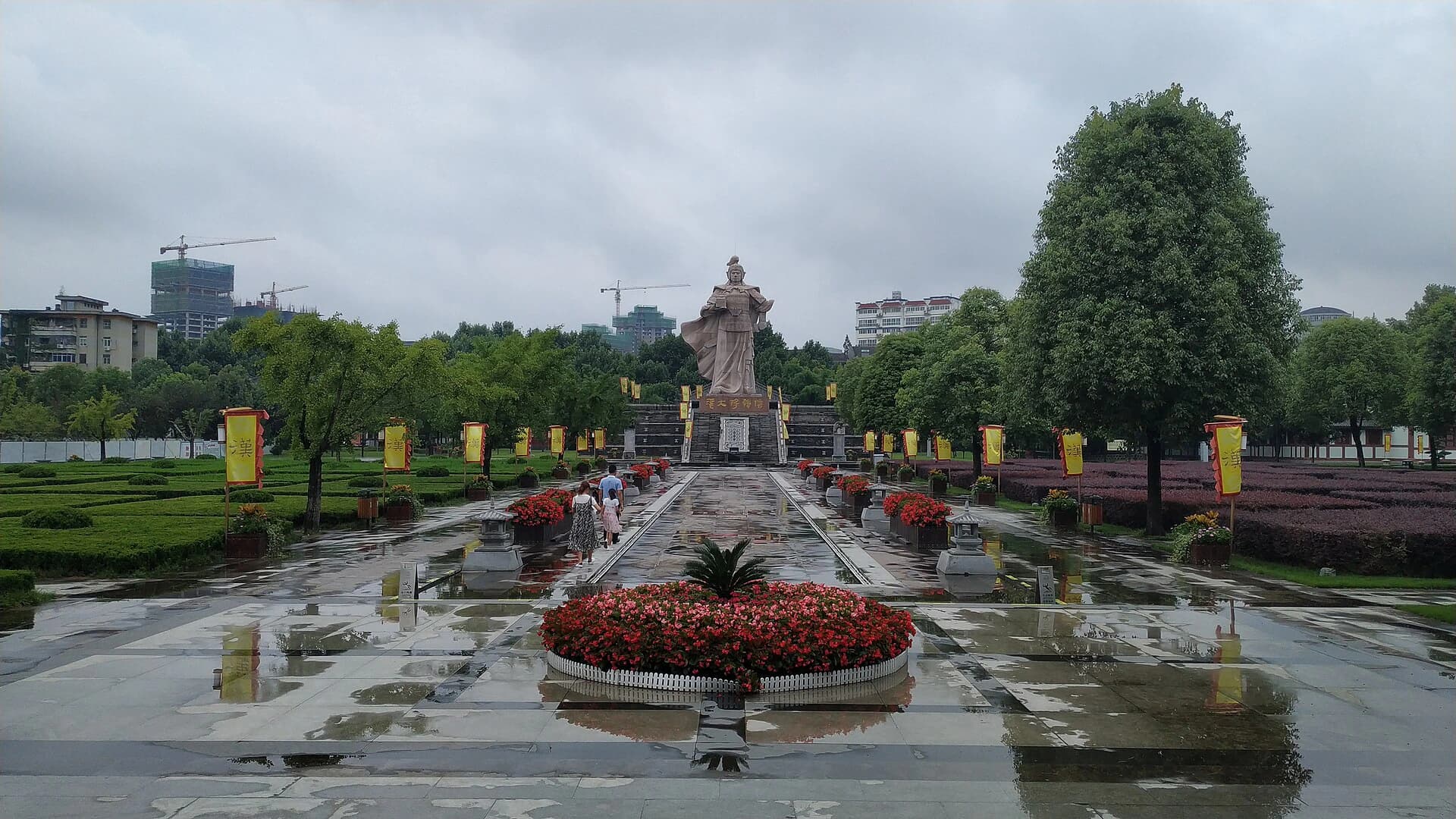
Photo: K.Y.K.Z.K. · Source · CC BY-SA 4.0
This 2019 view identifies the Baijiang setting; it does not promise today's planting, paving, banners or open areas.
Add Yinma Pool selectively
Yinma Pool lies roughly 0.5 km / 7 minutes from Ancient Hantai, but its public display and access are less clearly defined. Add it only if the site is visibly open and you still want another small old-core layer. Otherwise continue into the surrounding streets and let food complete the visit.
Distinguish objects, inscriptions and historical interpretation
Use three questions as you walk:
- Is this an original object or inscription, a replica, or a modern display?
- Does the label describe surviving evidence or a later tradition?
- Does the site belong to Ancient Hantai, Baijiang Altar or the wider old core?
Those questions prevent the common mistake of merging the museum, memorial and scenic-area reconstructions into one undifferentiated “Han site.”
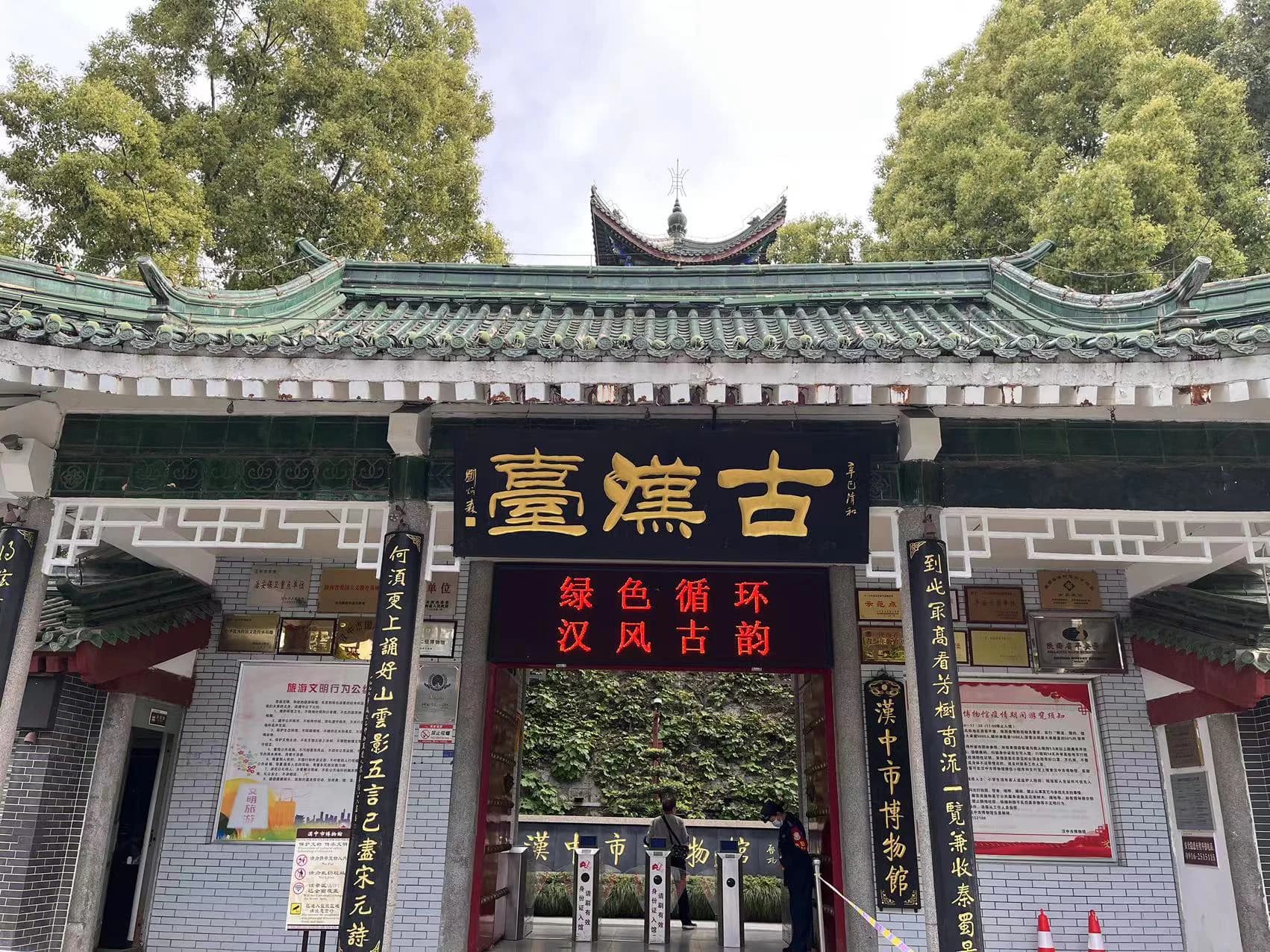
Photo: Nishino Asuka · Source · CC BY-SA 4.0
Confirm reservation, ticket and passport
The latest official baseline lists Ancient Hantai as free, reservation-based and normally closed on Mondays. It lists Baijiang Altar separately at CNY 20 from March to November and CNY 15 from December to February. These are the baseline checked on August 21, 2026, not a promise for every date.
The official public material does not completely expose the foreign-passport booking flow. Carry the original passport and confirm manual reservation or entry before arrival. Do not buy a generic paid “museum ticket” for the free Ancient Hantai layer.
Continue through the old core
Allow roughly two hours for a selective Ancient Hantai visit, then another hour or more for Baijiang Altar if chosen. Finish with mianpi, hot rice noodles or an old-core walk. The compact geography is the pleasure: it lets the intellectual museum sequence turn naturally into an ordinary Hanzhong afternoon.