Helan Mountain Wine Route
The eastern foothills of the Helan Mountains are one of China's major wine regions. Estates offer different combinations of vineyard access, production tours, architecture, meals and tastings. One substantial appointment is enough for casual visitors; two can make a full day for wine-focused travellers.
Choose by experience
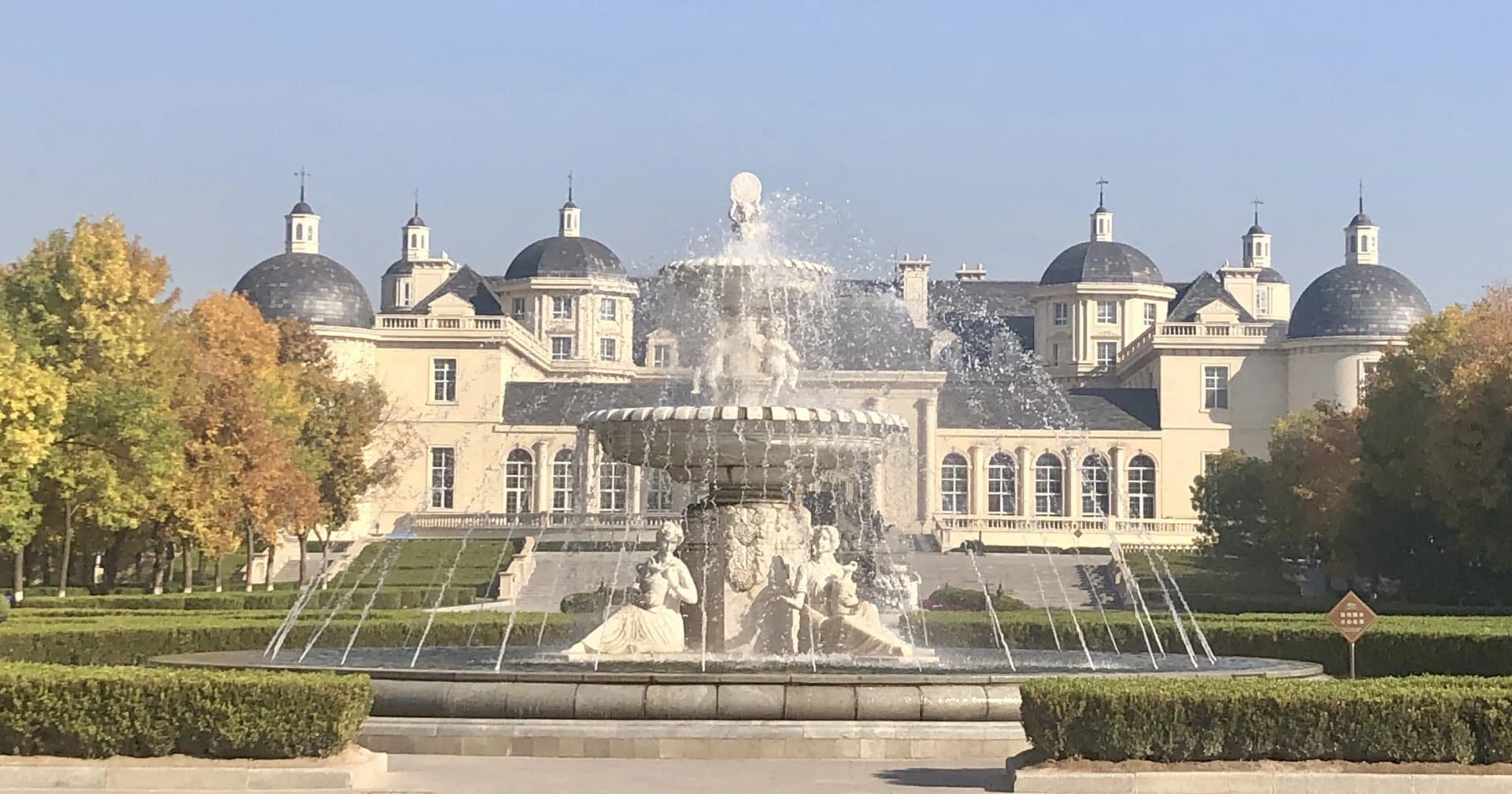
Ask whether the visit includes vineyard access, cellar or production rooms, an English-capable guide, the number and style of pours, food, and a shop-only period. A dramatic château does not guarantee a deep production visit, while a less photogenic estate may offer stronger technical interpretation.
Choose a producer only after identifying your question. A beginner may want a clear explanation of why the Helan foothills suit grapes; an enthusiast may care about varieties, vineyard parcels, oak or bottle age; a non-drinker may prefer architecture, landscape and lunch. Ask whether the estate can genuinely support that visit rather than assuming every tour has the same content.
The eastern foothills cover a broad area. “Helan Mountain winery” is not a precise destination, and estates with similar English names can have different gates. Save the Chinese winery name, appointment contact and map pin supplied by the estate.
Book and transfer first
Many estates require advance appointment and sit far apart. Confirm the exact gate, passport name, arrival window, cancellation policy and duration. Hire a driver or use a booked transfer; never combine a tasting with self-driving. Agree on waiting time and the final return to Yinchuan in writing.
Ask whether the driver remains on site, where they may park and how overtime is charged. A ride-hail outward does not guarantee a return from a vineyard. Keep water and a meal in the plan, and assign a completely alcohol-free driver if using a private vehicle.
Give the appointment room to breathe
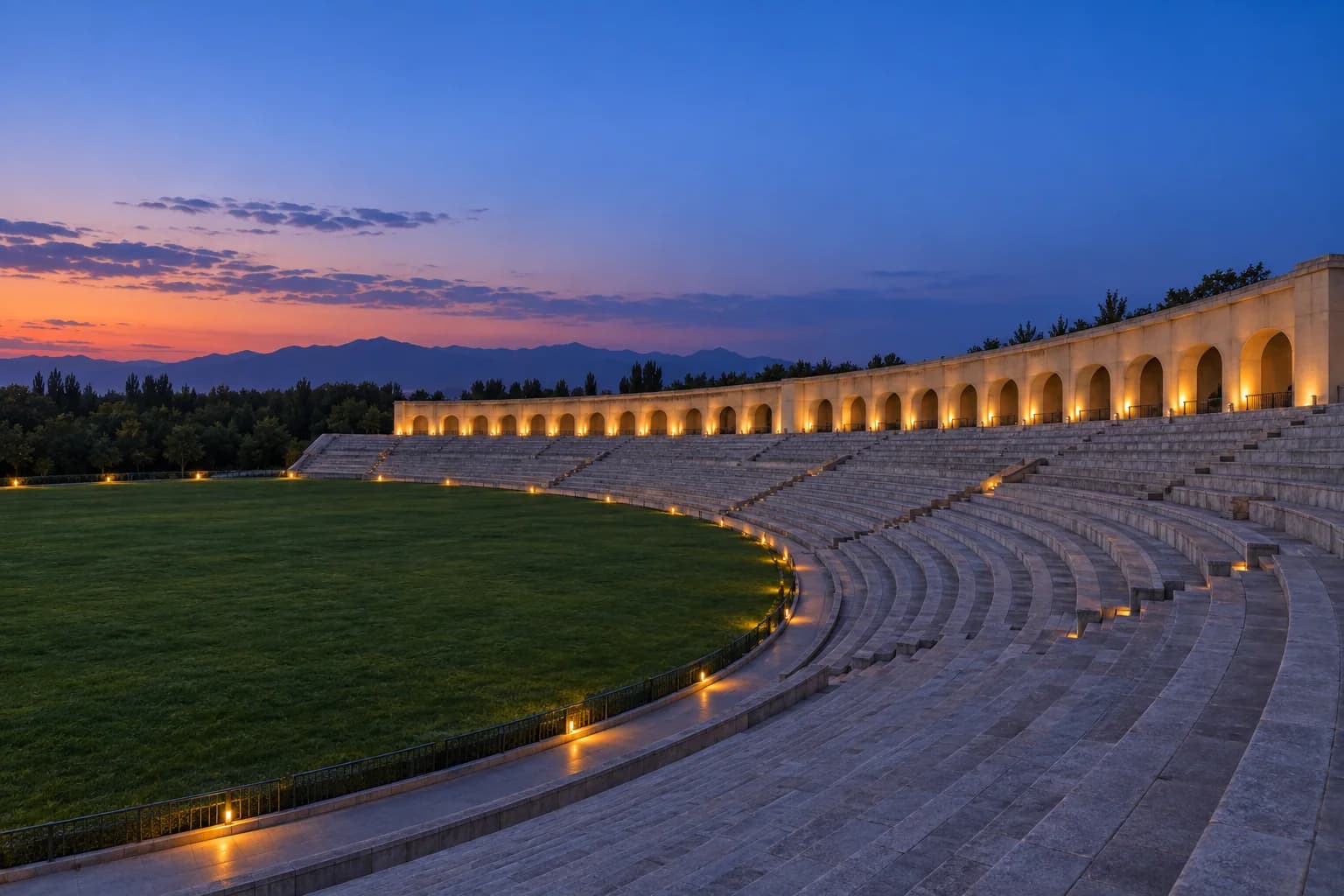
For one estate, build the outing around its confirmed start time. Allow for the introduction and vineyard or production visit before the tasting, with time afterwards for questions or the shop if those are included. A visit chosen only for château photographs will feel different from a guided explanation of growing and making wine; decide which experience you want when reserving.
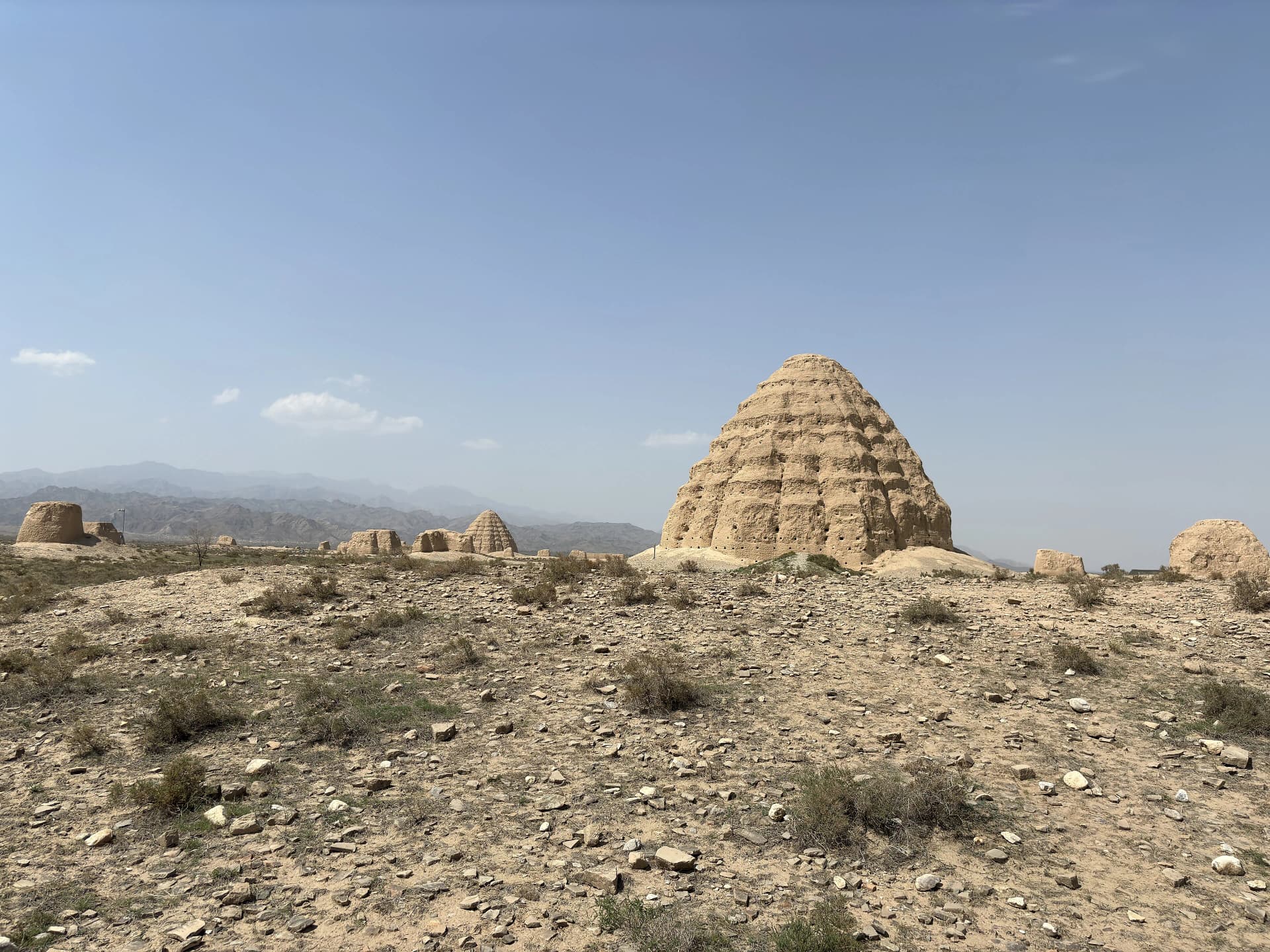
For two estates, confirm both durations and the road transfer before paying. Keep a meal break and let the driver know when the second visit ends. A morning at the Western Xia tombs followed by one winery is another possible shape, but only if the actual appointment leaves enough time for the tomb museum, outdoor circuit and transfer. Otherwise give the winery its own relaxed day.
Two estates work best when they answer different questions—perhaps a large established producer and a smaller technical visit—not when they repeat the same château photographs and basic pours. Limit the quantity tasted, use spittoons where provided and stop if altitude, heat or fatigue affects you.
Harvest access, vineyard appearance and production activity are seasonal. Do not enter working rows or facilities without permission. Buy wine only after checking baggage rules, storage and your destination's customs allowance.
Before paying a deposit
Get the date, start time, duration, tour language, tasting list, food, price, cancellation terms and exact gate in one written confirmation. Ask whether children or non-drinking companions are admitted and whether their price differs. If the appointment is sold only as a retail visit, do not infer production access from marketing photographs.
In hot weather, vineyard exposure needs sun protection and water; in winter, wind from the mountain edge can make an outdoor circuit much colder than central Yinchuan. Working cellars may be cool year-round. Closed shoes are a better choice than sandals around production areas.
A good wine day finishes with a safe transfer and enough time to eat. Skip it if the only available plan depends on self-driving after tasting, an unconfirmed walk-in or an unrealistic chain of distant estates.