Helan Mountain Rock Art
The Helankou rock-art area combines indoor interpretation with an outdoor walk among carvings made across different periods. It is strongest for travellers who want archaeology, landscape and a slower reading of images rather than one famous symbol. Allow three to five hours plus the drive from Yinchuan.
Start with interpretation
Use the museum to learn the dating limits, recurring animal and human motifs, and the distinction between original panels, protected zones and reproductions. Then follow the marked outdoor route. Never touch, trace or wet the carvings to improve a photograph.
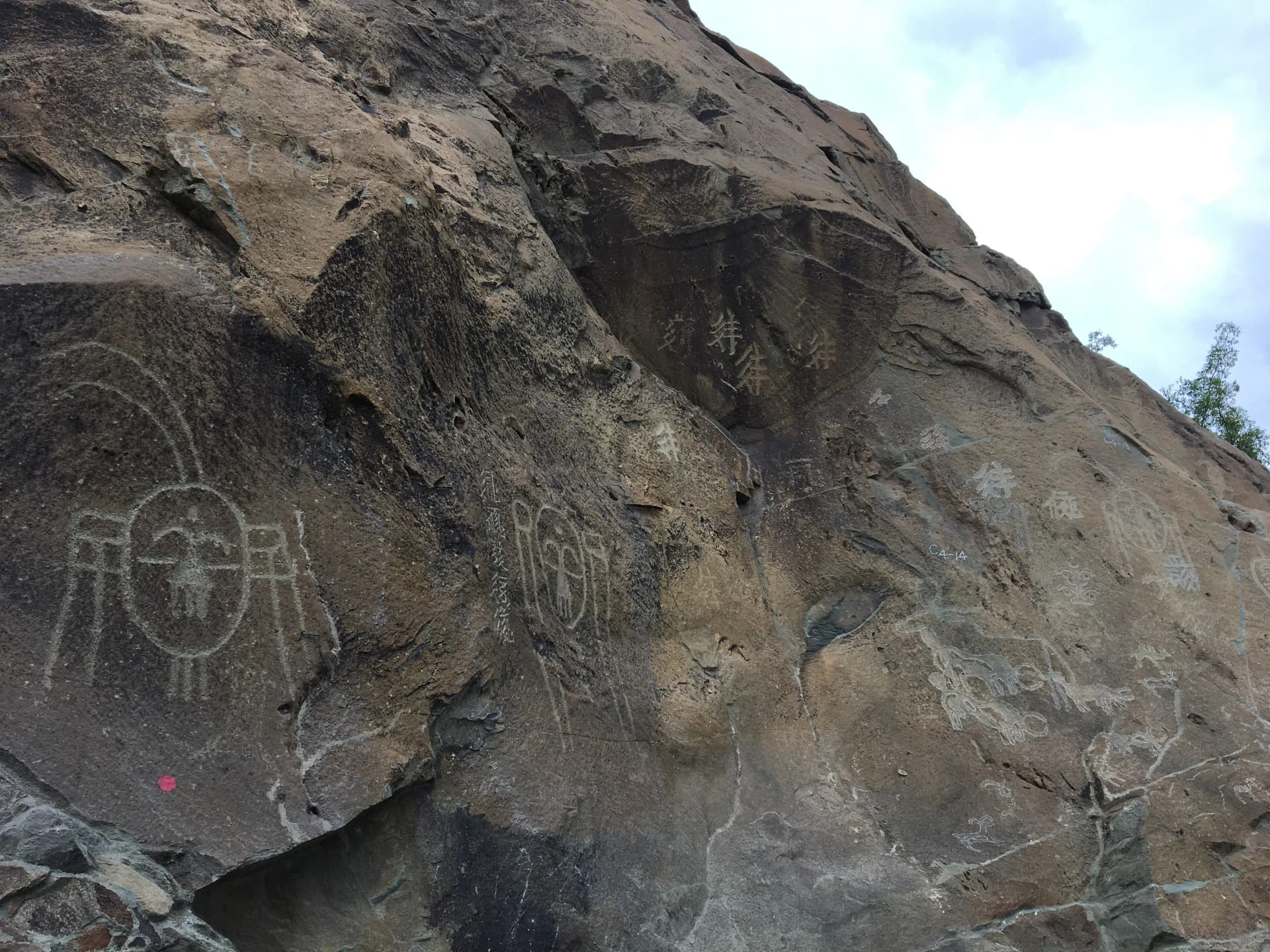
Rock art here accumulated across long periods, so a single date or one universal explanation is misleading. Read the label for each group and notice where interpretation marks an attribution as uncertain. The human-face motifs are memorable, but animal figures, hunting scenes and less obvious marks are part of the larger record.
A three-part visit
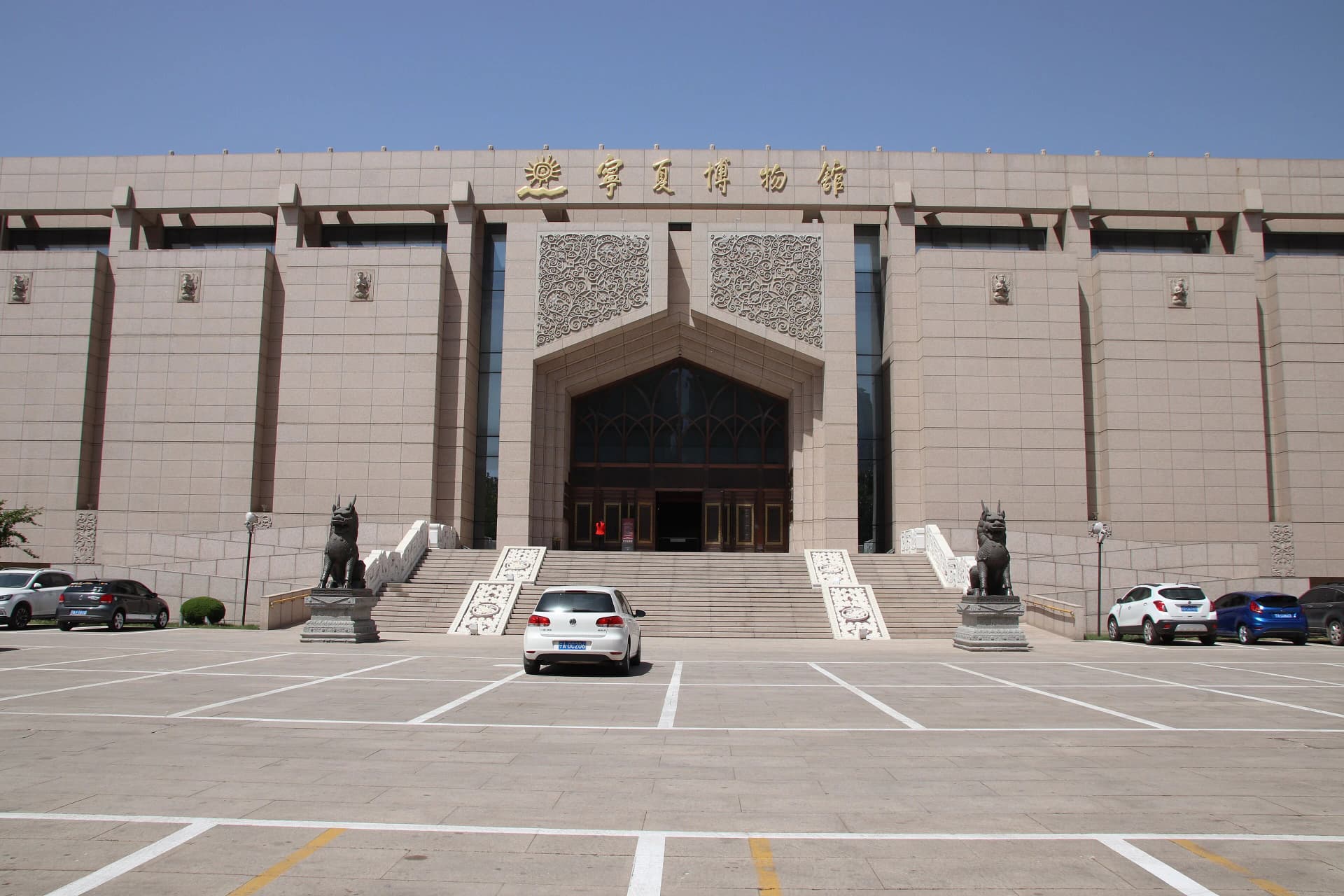
Start at the World Rock Art Museum, continue to the outdoor rock-art area, then visit the Han Meilin Art Museum if it is open. This sequence connects an introduction to ancient imagery with the original landscape and a modern artist’s response to it. The art museum adds a different layer; it is not another collection of ancient panels. The city’s overview explains how these parts form the wider visit.
Outside, choose a few human and animal motifs to study closely rather than trying to photograph every rock. Use the interpretation to distinguish what is known from what remains uncertain. Keep time for this outdoor section even if you enjoy the indoor displays; the setting is part of the appeal.
At the transition outdoors, confirm the day's one-way direction, any closed trail and the return transport. The rock-art route follows uneven mountain-edge ground and should not be treated as a level museum extension. Use only signed viewpoints; a panel seen beyond a barrier is not an invitation to approach it.
Build a three-hour core visit
- World rock-art context: learn the vocabulary and dating limits without trying to finish every panel.
- Helankou outdoor route: choose several carvings and compare subject, technique and placement in the gorge.
- Modern response: add the Han Meilin museum only when it is open and you still have attention for a different artistic subject.
This core can expand to four or five hours with slow reading and long outdoor stops. A shorter visit should preserve the main museum and original landscape rather than rushing both to reach a modern gallery.
Plan for exposure
The gorge and foothills have sun, wind, uneven surfaces and little shade. Wildlife sightings, including bharal, are possible but never guaranteed. Keep distance and do not feed animals. Check weather, fire control, trail access and the last internal return before setting out.
Carry water, sun protection, a wind layer and shoes with grip. Thunderstorms, flash-flood risk, fire controls or rockfall can close parts of the gorge even when Yinchuan's city weather looks manageable. Do not enter during a closure to protect a fixed driver booking.
The city’s June 2026 overview confirms the museum–gorge–art-museum structure. It is not a live ticket or opening-hours page. Verify the current admission components, passport procedure and final vehicle before leaving the city.
Rock art can share a driver with Zhenbeibu only when opening hours and energy allow. A full winery tasting needs a separate sober-transfer plan.
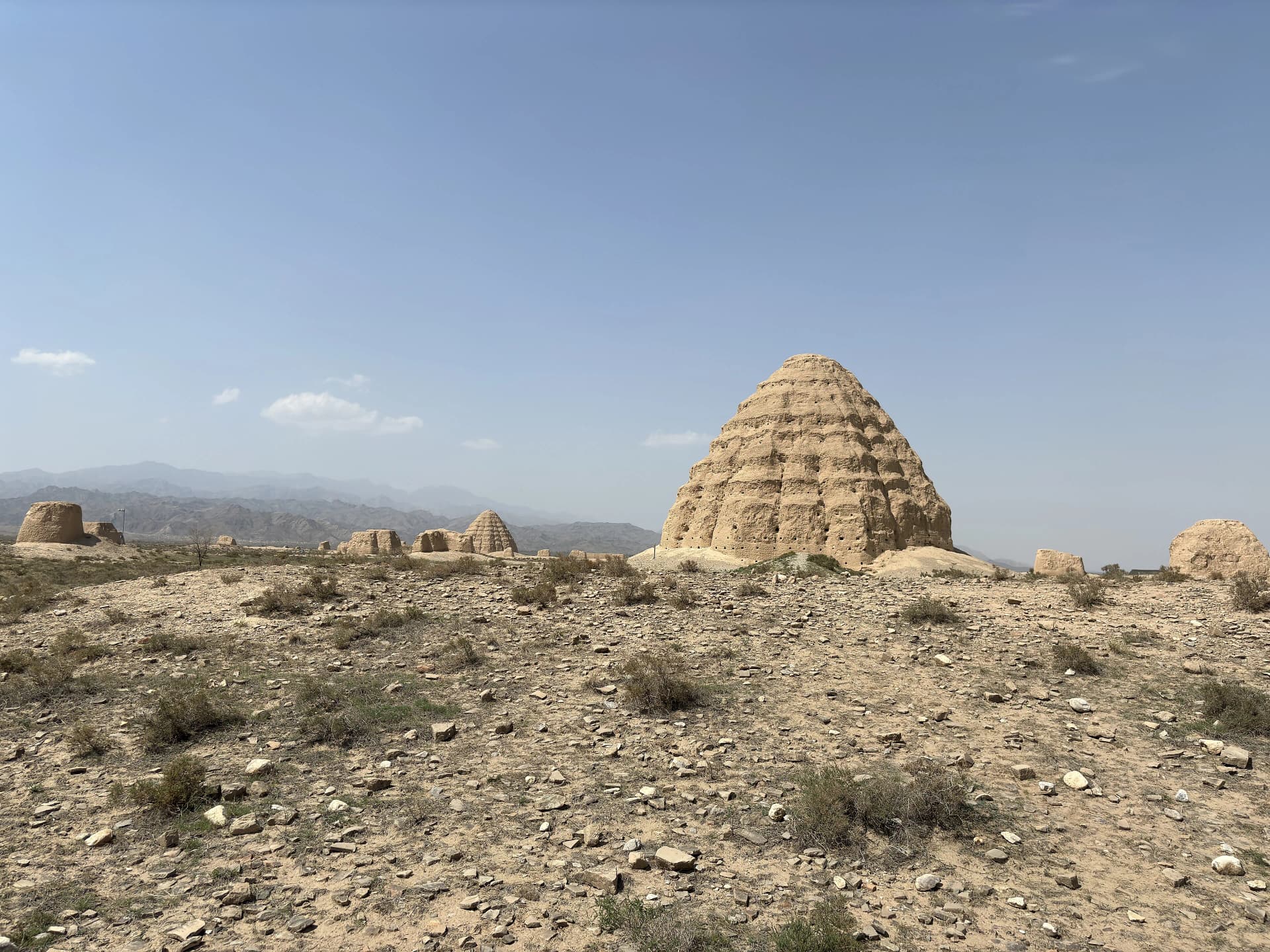
Helankou is the better choice for archaeology and a mountain-edge walk. The Western Xia tombs offer a larger state-history and funerary landscape; a winery offers an appointment-led agricultural visit. Combining all three in one day would reduce each to a transfer stop.