Yalu River Broken Bridge
The Yalu River Broken Bridge (鸭绿江断桥) is Dandong's most recognizable historical landmark: a former rail bridge whose surviving Chinese section stops over the river beside the active China–Korea Friendship Bridge. It works best when you understand that the waterfront offers three different products, not one bundled attraction.
You can see both bridges from the public riverfront for free, buy admission to walk along the surviving structure, or purchase a separate sightseeing cruise. For most first-time visitors, the bridge walk is the most meaningful choice because interpretation panels, steelwork and the abrupt end make the site's history legible. The riverfront alone is enough for a short evening stop. A cruise adds a different angle but should not replace the bridge if history is your priority.
Allow 45–75 minutes for the paid bridge walk, or about 20–40 minutes for a riverfront-only stop. Add the cruise duration, ticketing and boarding wait separately. Recent visitors often combine the bridge with the memorial hall, but the two should not be rushed into a single hour.
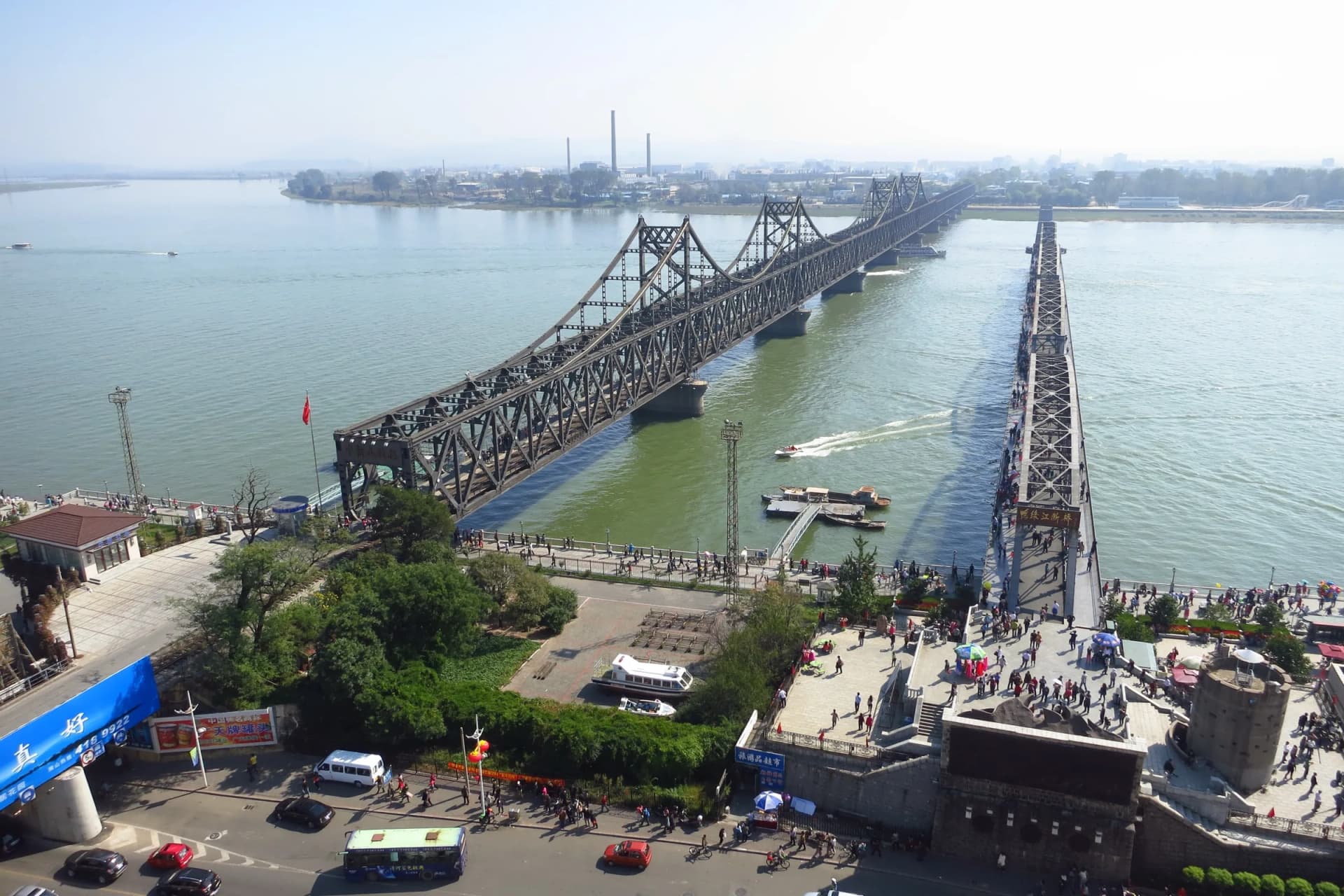
Photo: xue siyang (df45086) · Source · CC BY-SA 3.0
Compare the three ways to visit
Free riverfront: best for atmosphere and a short stop
Walk the riverside promenade around the Chinese end of the bridge. You will see the broken structure, the parallel active bridge and the width of the Yalu without passing the attraction gate. This is the right option if you have limited time, use a wheelchair or stroller, or mainly want dusk and night views.
The trade-off is context. From ground level, it is harder to inspect the surviving steel or understand where the bridge originally continued. Download the free digital guide announced by the Liaoning tourism authority in June 2026, or read a concise history before arriving.
Paid bridge walk: best for history
Enter the controlled walkway and proceed toward the viewing area at the broken end. Slow down at the chronological panels and separate three facts: the bridge's original transport role, its wartime damage, and the modern Friendship Bridge that remains active next to it. Look at the structure rather than searching for a single dramatic “impact mark”; signage and preserved fabric are more reliable than tour-guide folklore.
The route is out-and-back. Expect exposed sun, wind and little shelter. The steel deck and narrow passages can feel congested when groups stop for photographs, so visit early for careful reading or later for atmosphere.
Cruise: best for a river-level perspective
A cruise is sold separately from bridge admission and may depart from different numbered piers. Check the operator, route, actual sailing time, boarding point, refund rules and whether the vessel is licensed before paying. Do not accept vague claims that a boat will enter restricted waters, enable personal contact across the border or provide access unavailable through regulated channels.
In August 2026, Dandong authorities publicly reported enforcement against misleading promotion and unauthorized solicitation along the riverfront. Buy at a clearly identified official counter or channel, keep the receipt and walk away from anyone pressuring you with a “leaving now” offer.
Tickets, opening and same-day checks
Open the exact Yalu River Broken Bridge listing on Trip.com to compare dated admission. Treat any ticket as product-specific: confirm that it admits you to the bridge rather than only supplying a riverfront activity or cruise.
Before leaving your hotel, check:
- the selected visit date and entry window;
- current opening and last-entry time;
- whether bridge access is suspended for wind, weather, maintenance or an event;
- passport or QR-code collection instructions;
- cancellation rules and whether a cruise is included or explicitly excluded.
An old nominal price is not a promise of today's price. Seasonal promotions have changed admission in the past. The dated booking page, gate notice and same-day operating announcement should override an old blog or social-media screenshot.
The Liaoning tourism announcement confirms that the official Broken Bridge digital-guide mini-program is free. Use it for interpretation, not as proof that physical admission is free.
Best time and photography
Choose daylight if you want to read panels, examine the trusses and photograph the exact point where the surviving span ends. Choose the hour before sunset if you want structure and atmosphere in one visit. Night lighting emphasizes the skyline but hides surface detail; it suits a second riverfront walk more than a first history visit.
This is an international border and the opposite bank is a lived place, not a human exhibit. Do not photograph identifiable residents, workers or security personnel with a long lens; do not repeat demeaning stereotypes; and do not point cameras at controlled infrastructure when signs prohibit it. Drones are inappropriate here. Follow all police, photography and barrier instructions immediately.
Getting there and leaving smoothly
The bridge is in central Dandong near the riverfront and is straightforward by taxi, ride-hailing or a walk from many station-area hotels. Use 鸭绿江断桥 as the destination. Do not confuse it with Hekou Broken Bridge (河口断桥), a different site much farther upriver that appears in many packaged day tours.
After the visit, the riverside promenade is an easy continuation. If you need a car at a busy time, walk one or two blocks away from the attraction gate before requesting it. Keep your hotel name and address in Chinese.
Build a coherent Dandong history day
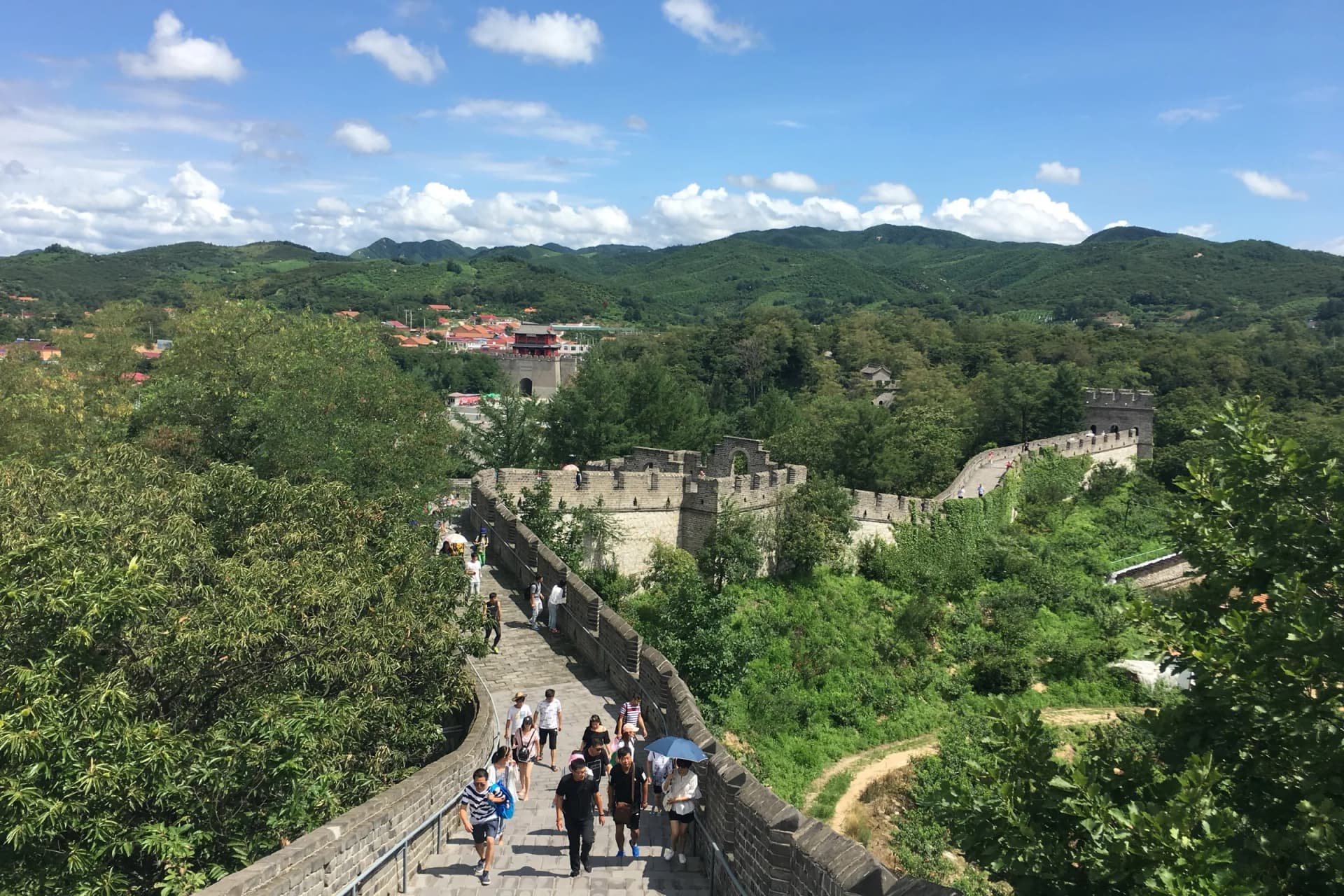
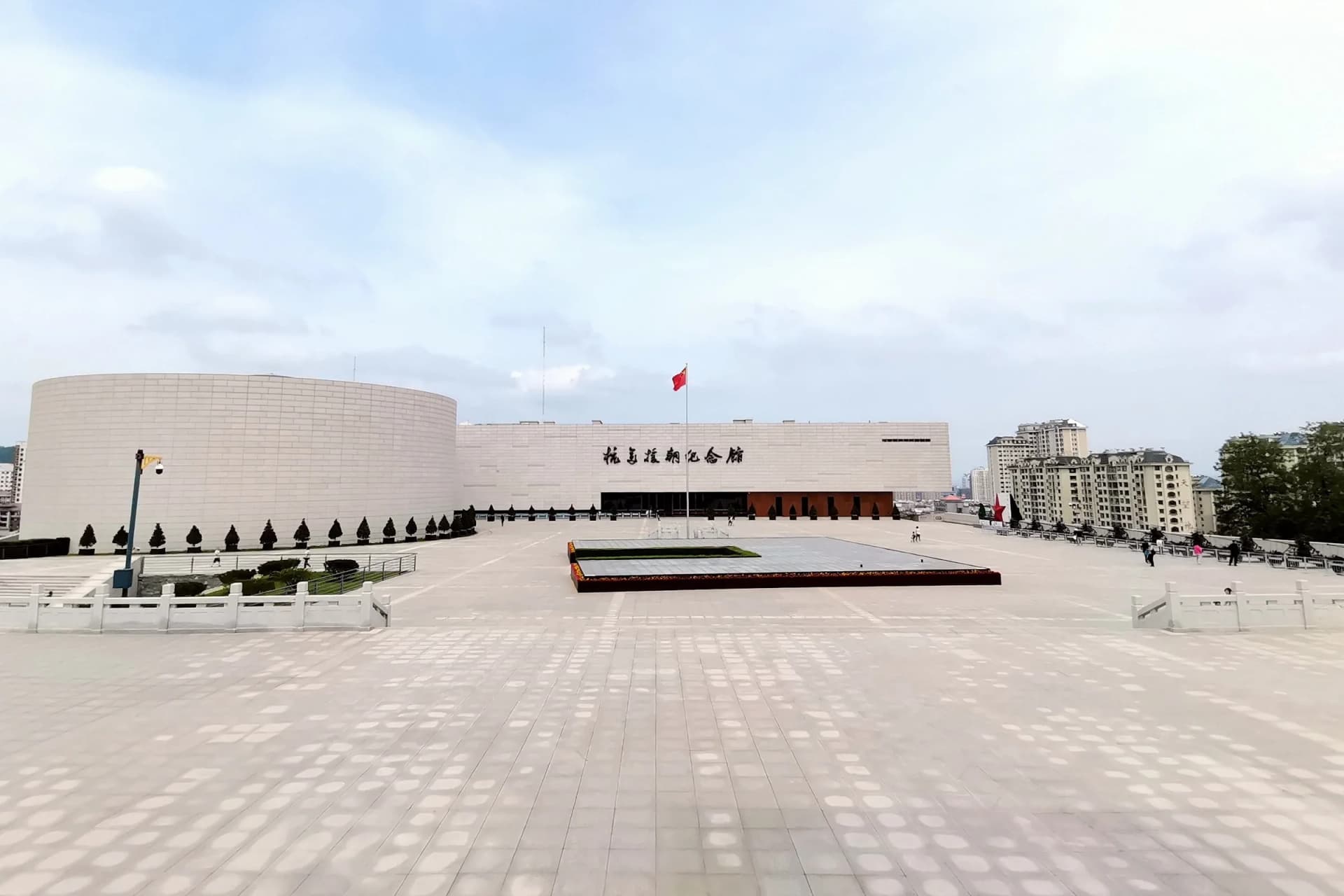
Reserve two to three hours for the Korean War Memorial Hall, then descend to the riverfront and visit the bridge in late afternoon. This sequence gives you a detailed Chinese state narrative first and the physical crossing site second. If the museum is closed or fully booked, reverse the logic: use the bridge's digital guide, then return to the museum on another day.
Hushan Great Wall is outside the center and deserves a separate half day. Trying the memorial, bridge, cruise and Hushan in one rushed circuit leaves no margin for reservations, weather or the difficult return from Hushan.