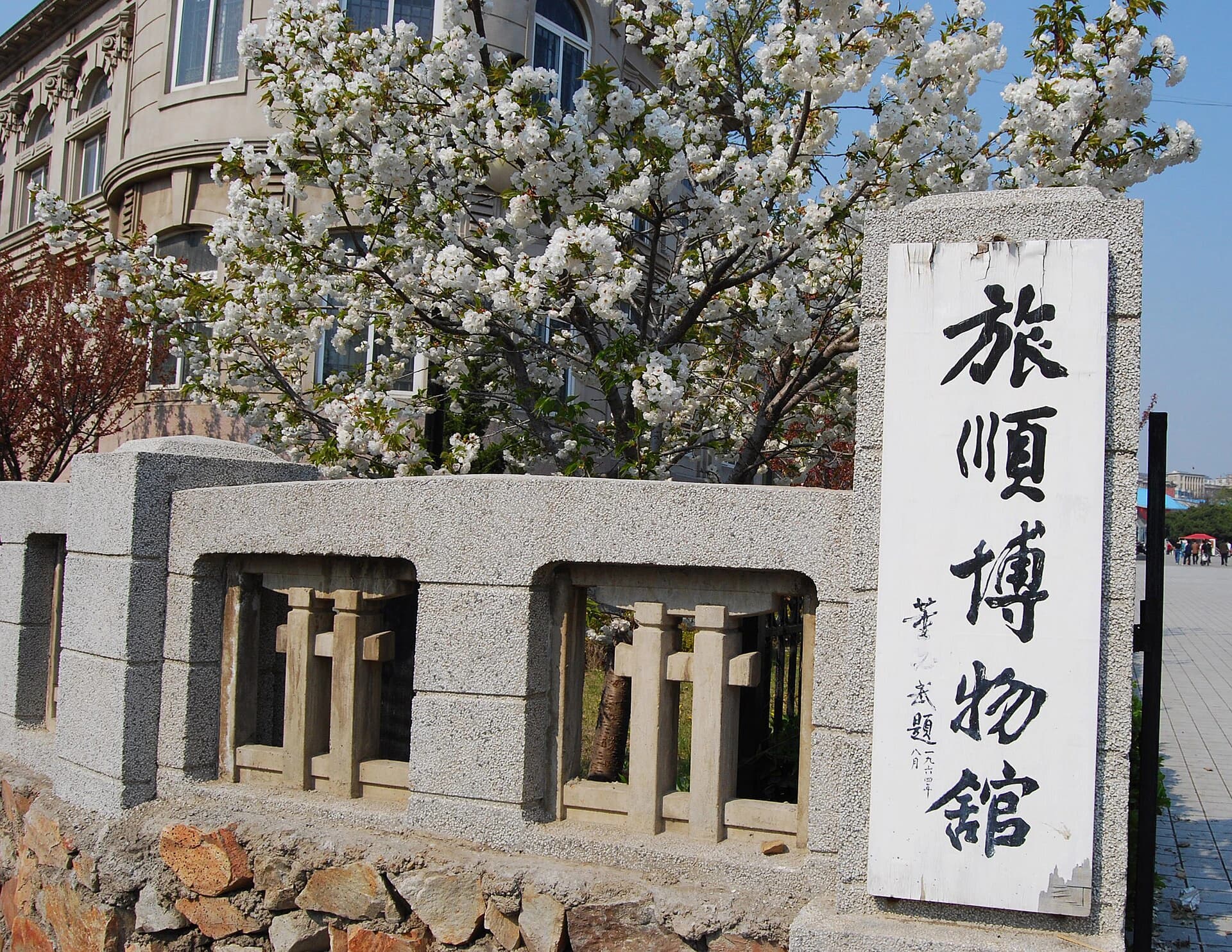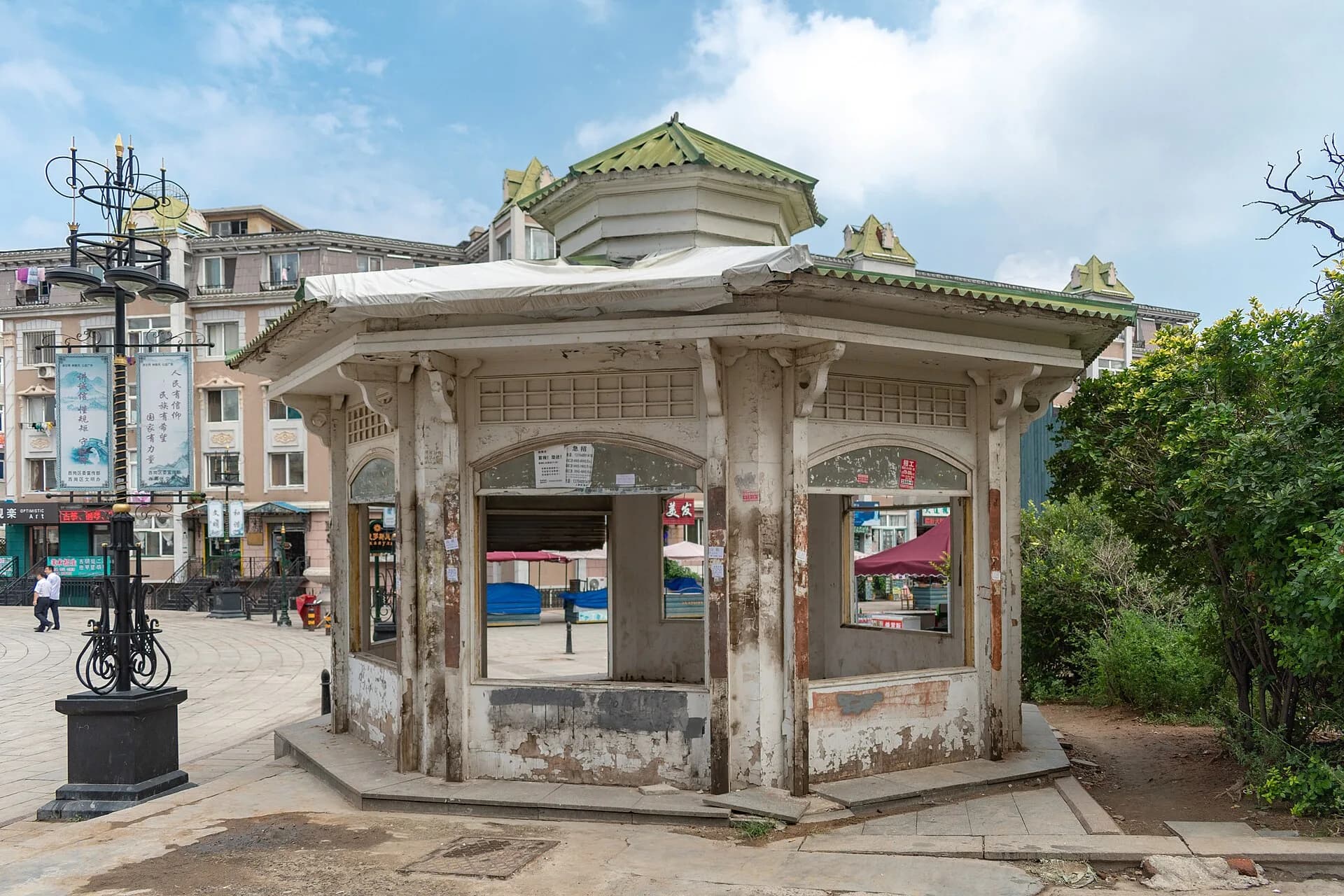
Dalian Russian Street
Dalian’s Russian Street (俄罗斯风情街, also called the former Lucia-machi area in official heritage descriptions) is an upgraded retail and night-economy street containing protected historic buildings, restored or reconstructed presentation and modern tenants. It is not an intact Russian town frozen at the turn of the twentieth century, and it is not evidence of a present-day Russian residential community.
The street's value lies in learning to separate those layers. Several civic and commercial buildings reward a short look, while generic souvenirs, themed façades and commercial clutter can weaken the experience. That makes this an expectation guide, not a blanket recommendation.
Who should go
Go if you enjoy urban architecture, want a 45–75 minute historical stop near central Dalian, or have confirmed a current exhibition in one of the cultural spaces. Skip if you want a deep museum, quiet residential heritage district or authentic Russian community life.
The street can pair with Zhongshan Square and central-city architecture. It should not displace a coast segment or Lushun history day simply because wide-angle photos make it look larger than it is.
Why the history needs careful language
The late nineteenth- and early twentieth-century architecture belongs to a period when imperial powers competed for control of the Liaodong Peninsula. Russia forced a lease in 1898 and developed the port and city it called Dalny; after the Russo-Japanese War, Japanese colonial authorities controlled Dalian until 1945. Later restoration and tourism development added another layer.
Photogenic architecture can document that history without making imperial expansion nostalgic. Date and identify buildings individually. A Russian-style roof does not prove Russian ownership, original fabric or a particular function, and a current shop does not inherit the historical identity of its premises.
A 45–75 minute architecture route
- Use Russian Street — open in AMap.
- Begin at the official street interpretation or a named protected building. Read the plaque before deciding what the façade represents.
- Compare masonry, windows, roof forms and setbacks across two or three buildings. Look for continuity in the street plan rather than collecting isolated “European” details.
- Separate original or protected fabric from restored elements, replicas, themed façades and temporary decoration.
- Browse shops only when the products interest you; the street label does not authenticate imported goods.
- Turn back after the architecture story is complete instead of forcing every stall.
History without nostalgia marketing
Dalian’s modern urban history includes Qing administration, Russian control, Japanese colonial rule, Soviet presence and post-1949 development. Buildings must be dated and attributed individually; “European style” does not identify an owner, function or period.
Use official plaques or museum interpretation for names and dates. Do not romanticize colonial rule because a façade is photogenic, and do not treat the current themed street as proof of everyday life under a past regime.
For a fuller city history, pair the street with Dalian Museum or the protected building group around Zhongshan Square. For the deepest modern-history day, go to Lushun instead; Russian Street cannot carry the peninsula's military, colonial and wartime chronology by itself.
Events and buying
Provincial reports show that the street has hosted dated performances. They do not prove a daily show. Verify the organizer and exact date. For souvenirs, compare material, origin and price; “Russian” branding does not prove Russian manufacture.
Food and beverage businesses change faster than the architecture. Check the current tenant, menu and opening rather than visiting for a shop saved months ago. Do not buy packaged food without reading origin, ingredients, seal and expiry date.
Access and respectful photography
The street is a central urban stop rather than an outward excursion, but paving, thresholds and individual historic interiors may not be step-free. Check the current accessible entrance for any exhibition building; an open street does not guarantee accessible upper floors or toilets.
Photograph façades from public space without blocking shop entrances or traffic. Ask before photographing staff, customers or an interior. Avoid costume or pose choices that turn colonial history into a decorative fantasy.
Verdict
Russian Street is worth 45–75 minutes for travellers who enjoy architecture and can separate protected fabric from restoration and retail. It disappoints when sold as a large historic town, authentic community or must-shop destination.