Yanji Korean Folk Village
The Chinese Korean Folk Village (中国朝鲜族民俗园) is a managed cultural-tourism complex on Yanji's south side. Official descriptions identify 40 Korean-style buildings with domestic-life, craft, farming and folk-experience areas. In practice, costume rental and portrait photography now dominate many of the most visible streets.
That split determines whether the visit works for you. Come if you want Korean-style architecture, a performance or a planned costume shoot. If your priority is a quiet, deeply interpreted museum experience, visit Yanbian Museum first and treat the village as an optional visual follow-up.
Allow 60–90 minutes without a costume session or two to four hours with styling and photography. Recent visitors repeatedly describe the site as photo-led; that is useful expectation-setting, not proof that every cultural display or performance has disappeared.
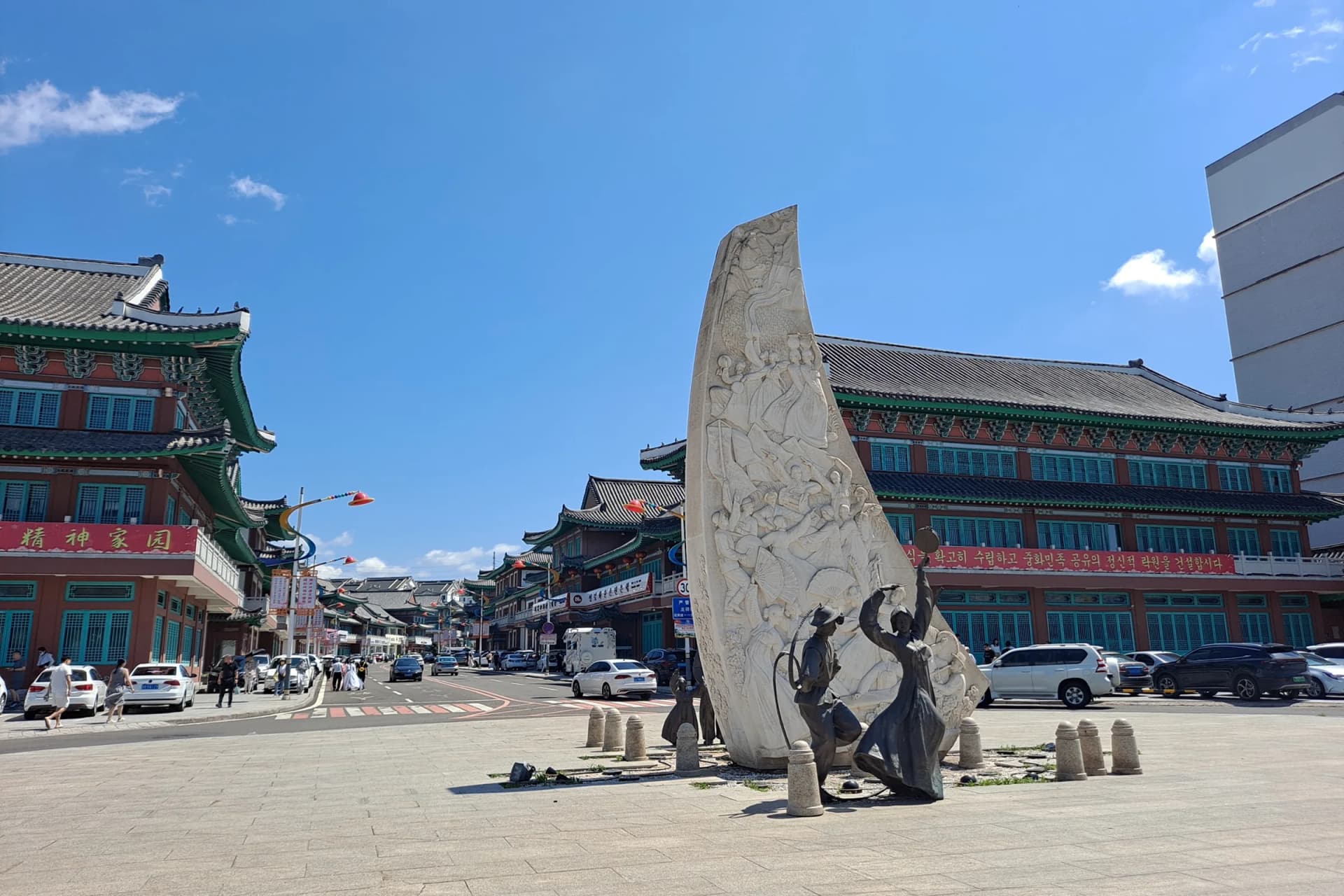
Photo: EditQ · Source · CC BY-SA 4.0
Choose one of two workable visits
A culture-led short visit
Start with the traditional-house and household-life displays, then continue through one craft or farming section and finish with a scheduled performance if one is running. Read the labels before the lanes fill with photography groups. This sequence gives the buildings a social context instead of reducing them to backdrops.
Do not assume that every demonstration listed in an old itinerary operates daily. Ask at the entrance which interiors, performances and hands-on activities are actually open that day. A quiet 75-minute visit is better than waiting for an unconfirmed show.
A costume-photography visit
Choose the rental or studio before wandering far into the complex. Styling, hair, makeup and selecting photographs can take longer than the actual shoot. Agree on the route and return deadline, then photograph the quieter side courts before the central lanes.
Before paying, get one complete price for:
- clothing, layers, shoes and accessories;
- hair, makeup and any removal service;
- photographer time and the number of locations;
- all original files versus a limited selection;
- number of edited photographs, delivery method and deadline;
- deposits, late-return charges and bad-weather cancellation.
A low clothing-rental headline is not a full portrait package. The attraction ticket normally does not include clothing, makeup or photography, and a studio package does not automatically include admission.
Tickets and live checks
Open the exact Korean Folk Village listing on Trip.com to compare dated admission, but verify the product rather than relying on the page title. Check:
- the admission date and entry window;
- current opening and last-entry time;
- passport or QR-code handling;
- whether a performance or evening zone is included;
- child, senior and re-entry rules;
- cancellation terms if weather or an event changes access.
The official prefectural tourism page confirms the cultural zones and the village's position beside Mao'er Mountain, while operating hours and programs can change by season. The dated voucher and the attraction's same-day notice should override an old social-media screenshot.
Getting there without choosing the wrong village
Use the complete Chinese name 中国朝鲜族民俗园 in your map or ride-hailing app. Yanji has other places marketed as Korean villages or folk parks, including rural sites farther from the centre. Match the Yanlong Road address before departure.
A taxi or ride-hailing car is the simplest option from central Yanji or Yanji West Railway Station. Local bus routes and stops can change, so confirm the current route in a live map rather than preserving an old route number offline. For the return, move away from the busiest pickup lane before requesting a car and keep the hotel name in Chinese.
Crowds, comfort and respectful photography
Arrive near opening on weekends or holidays if you want uncluttered architecture. Late afternoon can offer softer light, but it also attracts portrait sessions and may leave too little time for costume returns. Avoid promising yourself empty courtyards at any viral “best time.”
The site is easier than a mountain walk, yet stone paving, thresholds and busy photo lanes can obstruct wheelchairs or strollers. Ask the entrance staff for the lowest-step circuit and accessible toilet before committing to a full loop. Food, drinks, toilets and rest points are available in the managed area, but carry water during hot weather and keep a warm layer in winter.
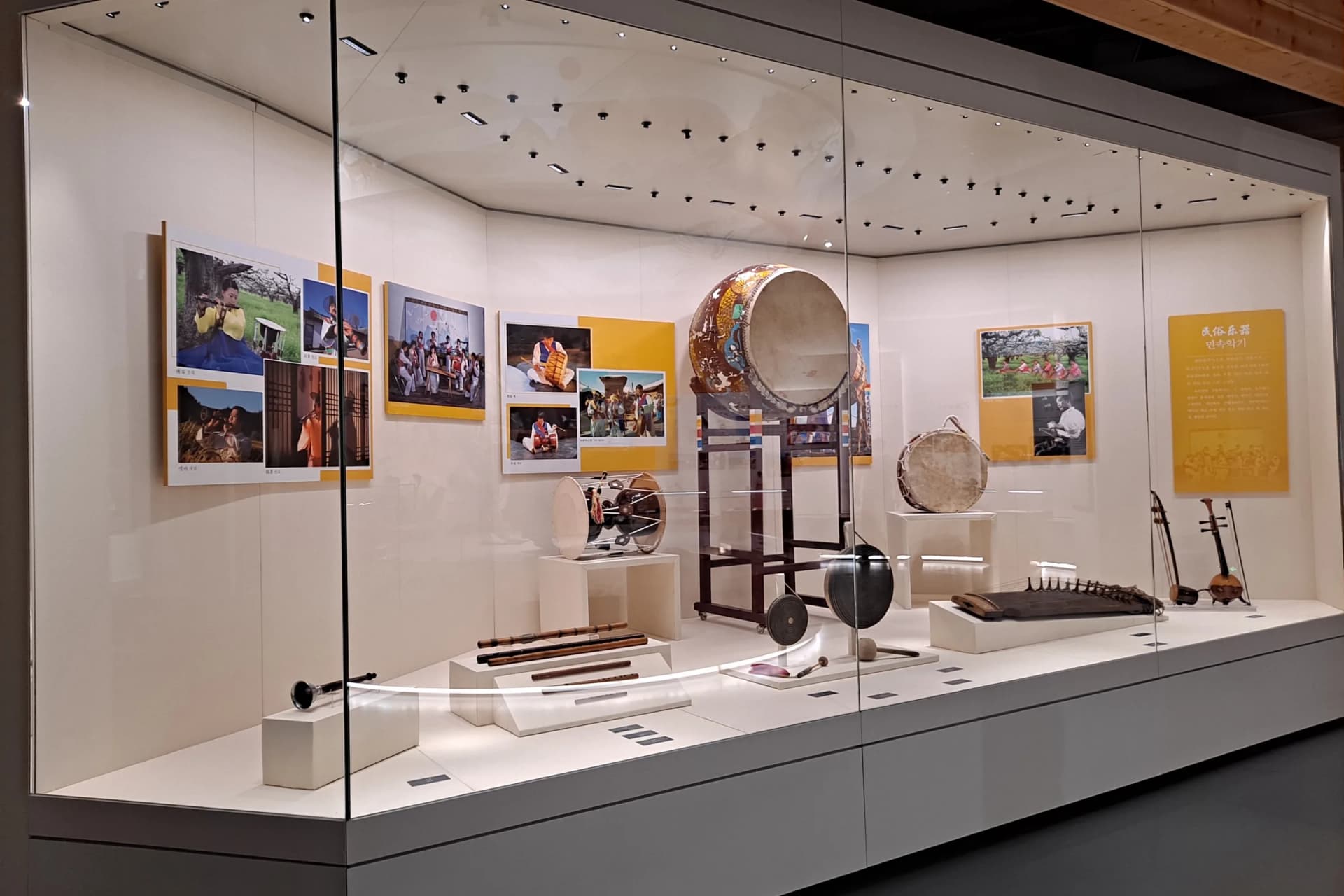
Korean Chinese culture is living culture, not a costume category. Do not photograph identifiable visitors, performers or staff without consent; do not imitate sacred or ceremonial gestures for a joke; and do not block doorways while composing a portrait. The most useful cultural preparation is the museum, where clothing, music and household objects are explained in context.
Pair it with Mao'er Mountain only when the schedule fits
The village and Mao'er Mountain are close enough to share one south-Yanji outing. A good fair-weather plan is the village in early or mid-afternoon, then the forest park with enough daylight for the descent. This works for a short cultural visit; a long costume shoot makes a sunset climb rushed.
In rain, ice or low cloud, replace the mountain with Yanbian Museum or a relaxed market meal. Do not combine an early Water Market, a full photo package, the mountain and the university district into one “must-see” day unless you genuinely enjoy continuous transfers.