Zhengzhou Shang City Route
Zhengzhou's Shang capital is not a reconstructed walled town. It is a 3,600-year-old archaeological landscape under and between modern streets: a specialist museum, preserved rammed-earth banks, green park sections and buried palace and workshop zones. The strongest visit begins indoors, where a city model gives the outdoor mounds scale and meaning.
A focused half-day sequence
- Zhengzhou Shang Dynasty Site Museum: allow 90 minutes to two hours for the capital model, wall-building section and selected bronze, jade, bone and pottery evidence.
- Check the companion archaeological display: recent visitors describe a second gallery reached through the same visitor complex. Ask what is open that day; do not assume a temporary headline object is still in the same room.
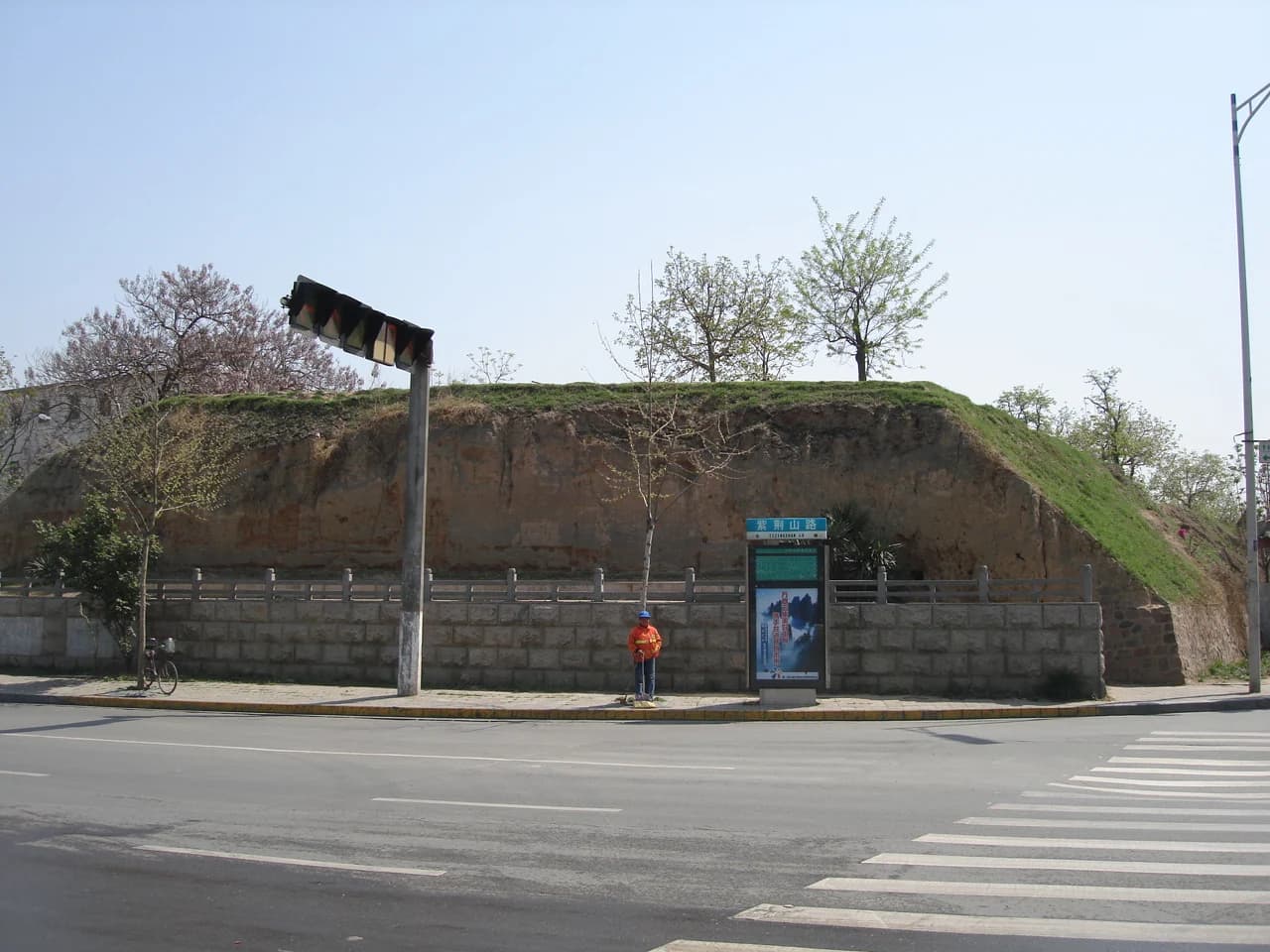
- Walk one designated wall-and-park section: use the museum's current map and keep to public paths. In daylight, the contrast between an earth bank and the dense city around it is the point.
The museum works especially well for families because the large model and construction animations turn abstract urban planning into findable features. Give children three tasks: locate the inner city, identify a workshop area and explain how thin layers of earth became a defensive wall.
What the evidence actually shows
Zhengzhou government heritage records describe a roughly 25-square-kilometre archaeological site, with an inner wall circuit of about seven kilometres and 2,586 metres of substantial above-ground wall surviving. The capital included palace, residential, burial, ritual and craft-production areas. That does not mean all 25 square kilometres are a continuous visitor park.
Look at the model for the planned whole, the cross-section for rammed-earth technique, and the surviving bank for material continuity. The outdoor remains can appear ordinary precisely because they are earth architecture, not later brick battlements.
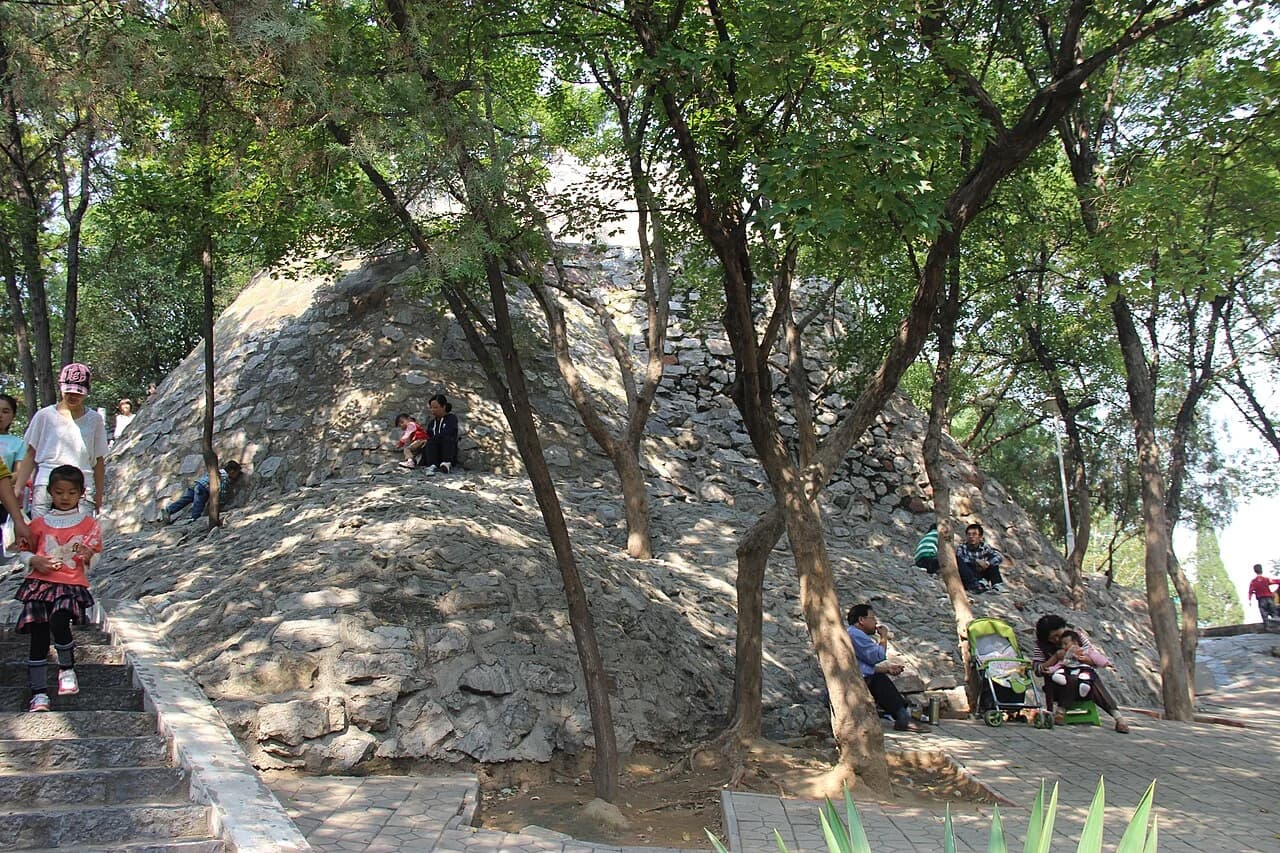
This stabilized earthwork is useful documentary evidence; it should not be read as a complete gate, palace or reconstructed city block.
Objects worth using as clues
The permanent exhibition presents more than 1,000 objects, but the visit is clearer if each object answers an urban question. Use a large square bronze ding to discuss centralized casting and ritual authority, early glazed ware to ask how specialist kilns worked, and pottery or tools to reconstruct ordinary production. Labels and replicas may explain a system even when a famous original is on loan.
Visitor reports in September 2026 disagreed on the current location of a popular gold face covering between adjacent displays. Treat such object locations as temporary. Ask staff rather than building the whole visit around one case.
Current entry checks
The municipal venue page lists the museum at Dongdajie near Chengdong Road, with regular opening from 09:00 to 17:00, last reservation at 15:50, last entry at 16:00 and Monday closure except statutory holidays. A 2024 municipal policy still listed this museum among venues retaining personal reservations. Check the current municipal venue notice, reserve through the named official channel, and carry the document used in the booking.
Outdoor park access, temporary exhibitions and holiday hours can differ from the museum schedule. Visit the wall in daylight, avoid climbing or eroding the earthwork, and switch to the indoor route in heavy rain.
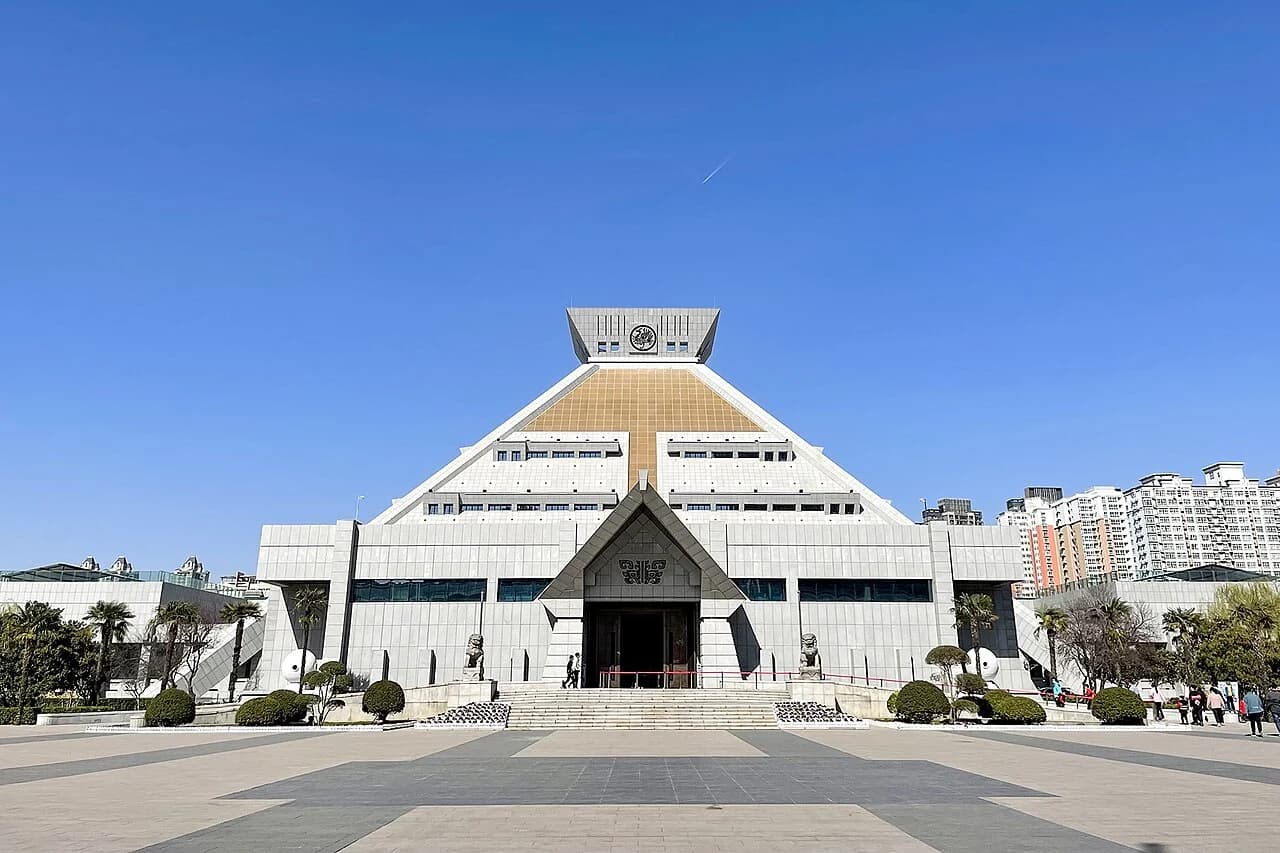
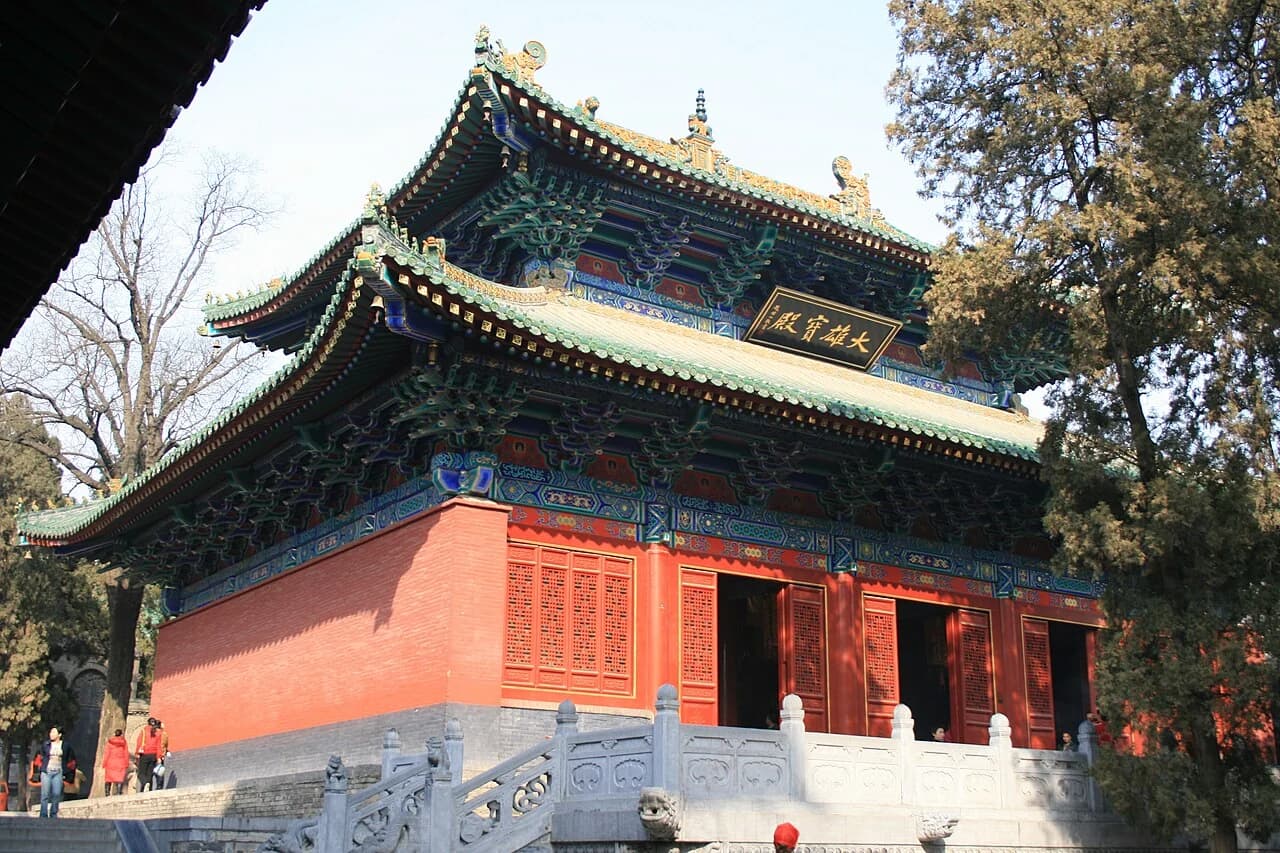
The Henan Museum gives the broader provincial timeline, but it deserves its own reservation block. Put Shaolin and Songshan on another day, and return to the Zhengzhou guide for a city-level plan.