Private Guide, Day Tour or Independent Trip?
Most major Chinese cities are practical independently. Pay for a guide when interpretation, a permit, difficult transport or scarce reservations genuinely change the day—not simply because a seller says China is impossible without one.
Choose the Smallest Product That Solves the Problem
| Product | Best for | Watch for |
|---|---|---|
| Independent travel | metro cities, flexible neighborhoods, travelers comfortable with apps | reservation setup and language fallbacks |
| Group day tour | one distant attraction with standard route and shared transport | shopping stops, waiting for group, vague inclusions |
| Private car/driver | rural sites, families, luggage moves, mobility needs | driver may not be a licensed guide or speak English |
| Private guide | history, complex museums, language support, tailored pace | admission and vehicle may cost extra |
| Full organized tour | Tibet or a multi-day permit/logistics system | operator license, permit scope, single supplement and cancellation terms |
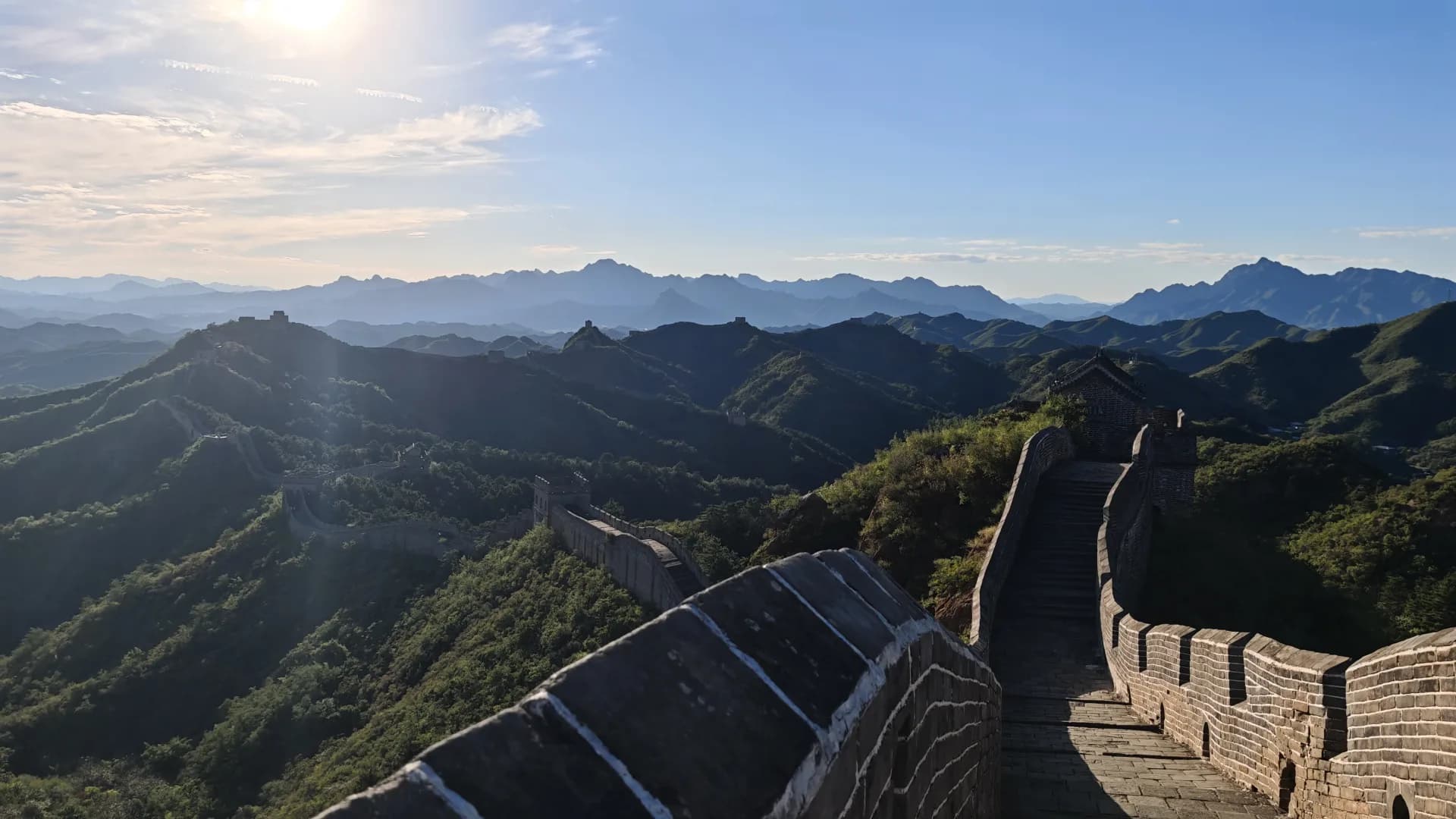
Tibet is the clearest case where foreign travelers require an organized arrangement and permits; read the Tibet permit guide before booking. A Great Wall section without direct transit, a rural heritage circuit or a family with limited mobility can also justify private transport.
Prices Must Be Compared by Inclusions
China has no useful national flat price for a guide or car. City, language, vehicle size, hours, distance, holiday, tolls and attraction tickets all change the quote.
Ask for an itemized written price covering:
- licensed travel agency and operator name;
- guide language and whether the named guide is confirmed;
- vehicle type, legal commercial insurance and driver;
- hotel pickup area and overtime boundary;
- admissions, shuttle buses, cableways and meals;
- tolls, parking and fuel;
- shopping or factory stops—prefer none unless explicitly wanted;
- cancellation for weather, closure, permit refusal or flight delay;
- refund timing and payment method.
A cheap quote that excludes the attraction vehicle, cableway and return transfer is not cheaper.
Avoid the Forced-Shopping Model
China's Tourism Law prohibits organizing unreasonably low-price tours to induce travelers and recover money through shopping or separately paid items, and it requires truthful information and qualified suppliers. The Ministry of Culture and Tourism continues to target forced shopping and unlicensed operators.
Red flags include:
- a price far below transport and ticket cost;
- “government jade museum,” tea shop or medicine lecture presented as mandatory sightseeing;
- no written itinerary or licensed agency identity;
- guide pay described as depending on your purchases;
- passport requested through a personal chat with no privacy or contract explanation;
- a promise to bypass real-name ticket or closed-area rules.
Ask for a contract stating no compulsory shopping and list every commercial stop.
What a shopping tour looks like. A spring 2026 Zhangjiajie group tour shows the pattern:
- Disguised stops: the third day was built entirely around shops presented as sights. A "cave" sold crystals, a "Miao village" sold tea and silver, and a newly built "chieftain's palace" claimed government backing and sold cinnabar.
- Selling on the coach: on the coach back, the guide sold the driver's snacks and then his own tea.
Similar reports come from Yunnan and Xi'an. Even on "no-shopping" private tours, guides may push paid evening shows and souvenirs, because guide pay can be as low as ¥200–400 a day.
What works.
- Refuse politely: say clearly that you won't buy, and stay on the coach or in a café during an unlisted stop.
- Keep evidence: keep the itinerary and receipts.
- Report it: complain to the province's tourism complaint channel, such as the 游云南 app in Yunnan, or the national 12345 hotline. In one 2026 Yunnan case the agency refunded fees and suspended the guide for three months.
Ticket Promises Need a Mechanism
A licensed tour may hold legitimate group inventory or buy a dated ticket for the named traveler. It cannot manufacture capacity after an official sellout. Ask how admission is secured, which passport deadline applies and what happens if the venue fails.
Use the attraction reservation guide to verify release rules. When comparing Trip.com, choose an exact product with dated availability, clear inclusions, operator identity and cancellation terms—not a generic attraction description.
Driver Is Not Automatically a Guide
A private driver solves vehicle access and waiting. A guide interprets, manages entry and communicates the route. One person may be licensed and contracted for both, but do not assume it.
For a rural day, give the driver the Chinese POIs, order, parking gates and return deadline. For a museum, confirm whether the guide may enter, whether a separate commentary ticket is needed and whether interpretation is private or a shared headset.
Safety and Boundary Questions
Before payment, ask:
- Is the vehicle licensed for commercial passenger use?
- Are passenger and third-party insurance included?
- Is the route legal in the weather and season?
- Who owns the booking if the guide changes?
- May the traveler end a shopping stop and continue the contracted route?
- Which emergency number and agency contact operate during the trip?
For hiking, high altitude, wildlife, boats or winter roads, request the specific safety plan—not “our guide is experienced.”
A Fair Booking Sequence
- Define the actual problem: permit, transport, interpretation, ticket or mobility.
- Compare one independent route, one group product and one private quote.
- Normalize inclusions and complete door-to-door cost.
- Verify the agency, exact operator and current reviews.
- Put route, no-shopping terms, tickets and cancellation in writing.
- Pay through a traceable platform or business channel.
- Keep passport transfer limited to the documented booking need.
Large platforms such as Trip.com and Klook make listings, reviews and cancellation terms easy to compare side by side. The useful product is the one that solves a real constraint with transparent terms.