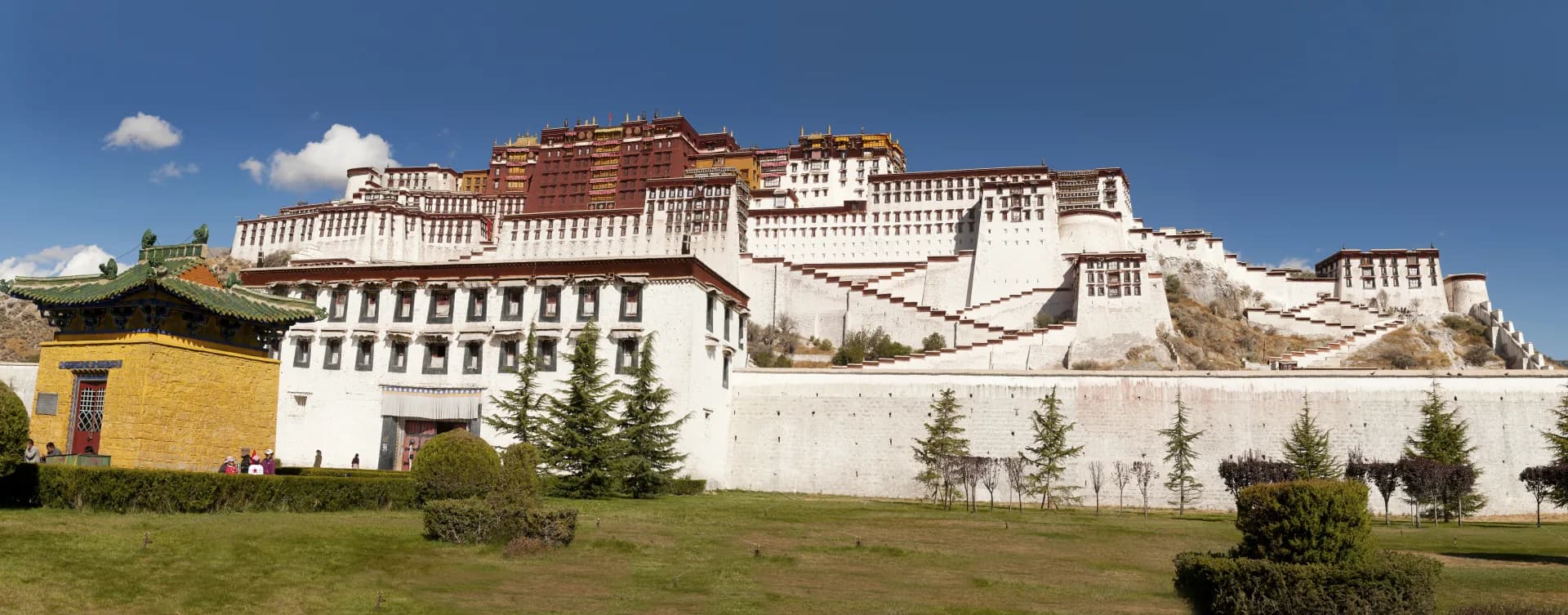
Tibet Travel Permit: What Foreign Visitors Must Do
A foreign passport holder cannot treat the Tibet Autonomous Region like an ordinary independent mainland-China trip. Current official visitor guidance states that foreign travelers must use a licensed travel agency, travel on an approved organized itinerary and have the agency arrange the Tibet Travel Permit, often called an entry letter or 入藏函.
Your China visa or visa-free entry status does not replace this authorization. A train or flight ticket to Lhasa is not proof that the regional itinerary is approved.
The Safe Booking Sequence
- Confirm your mainland entry basis. Hold the appropriate passport and Chinese visa, or obtain written agency confirmation that your permitted visa-free status can support the planned application.
- Choose a licensed agency and route. Give it every overnight, border-area stop and entry/exit mode.
- Submit clear document copies. The current official Shannan guidance says foreign applicants provide passport and Chinese-visa scans and recommends allowing at least 15 days. An agency may require more lead time.
- Approve the final itinerary and contract. The route determines additional documents and guide/vehicle needs.
- Receive the correct permit handling instructions. Ask whether an original or copy is delivered, where, by whom and what the airline or railway will inspect.
- Buy transport only under the agency's written plan. A cheap non-refundable sector is not useful if the authorization or delivery sequence cannot support it.
Policies and local access can change. A responsible agency will not promise approval before reviewing nationality, visa, occupation, route and timing.
Independent Travel vs a Private Tour
“Must join a tour” does not always mean sharing a large coach with strangers. A private licensed itinerary with guide and authorized vehicle may be possible, but it remains an organized tour with an approved route. You cannot obtain the permit and then dismiss the guide to travel independently.
Ask whether the quoted price includes:
- permit processing and delivery;
- licensed guide for the entire required period;
- vehicle, driver, fuel, parking and road fees;
- attraction reservations and admission;
- hotels and breakfast;
- border-area documents when required;
- oxygen and emergency plan;
- changes caused by road, weather or policy controls.
Reject an operator that tells you to hide the real route, enter first and “fix the permit later,” or separate from the guide at checkpoints.
Route Changes Are Not Casual
The official guidance warns that changing a destination can require a new document. Do not add Everest Base Camp, a border county, Mount Kailash or an overland Nepal exit after approval as if it were a restaurant booking.
For a first trip, a safe progression is:
- Days 1–2: Lhasa. Low-intensity acclimatization, neighborhood walking and one timed site.
- Days 3–4: Lhasa heritage. Potala, Jokhang/Barkhor and one monastery spread across days.
- Then: Nyingchi, Shigatse or another approved branch only when health and the permit both support it.
Long road days are real itinerary days. Mountain weather can turn a promised four-hour drive into eight; do not stack a major timed visit on arrival.
Altitude Is a Medical Risk, Not a Badge
Lhasa is around 3,700 metres. The CDC Yellow Book advises gradual acclimatization, mild exercise during the first 48 hours and no ascent to a higher sleeping altitude while symptoms are present. Headache with nausea, dizziness or unusual fatigue can indicate acute mountain sickness.
Before booking, talk to a travel-medicine clinician if you have heart/lung disease, sleep apnea, prior severe altitude illness, pregnancy concerns or another relevant condition. Do not self-prescribe acetazolamide or dexamethasone from an online packing list.
Urgent warning signs include breathlessness at rest, confusion, inability to walk straight, severe worsening headache or cough with respiratory distress. Stop ascent, get medical help and descend when advised. A small oxygen can is not a substitute for evacuation or clinical treatment.
Train or Flight?
The train is scenic but is not a guarantee against altitude illness. It also consumes substantial time and can be difficult to secure. Flying is faster but creates an abrupt altitude gain. Choose based on the whole route, medical advice, ticket reality and the agency's permit-delivery plan.
What agencies typically describe in 2026. Lhasa agencies currently describe the permit logistics like this. Get the exact version in writing for your departure point.
- Processing time: commonly quoted as 10–14 working days. Agencies ask for documents 20–30 days ahead.
- Flying in: the airline checks the original permit at check-in. Agencies courier it to your hotel in the departure city, so carry it in hand luggage, not checked bags.
- Train from some cities: agencies say an original is also needed from Xi'an, Chongqing and Lanzhou.
- Train from other cities: from Chengdu, Xining, Beijing, Shanghai and Guangzhou, several agencies say a color A4 printout of the electronic permit has been accepted at the ticket window. Treat that as agency practice to confirm, not a rule.
- In Tibet: your guide usually keeps the permit and shows it at checkpoints. Your hotels must be licensed to receive foreign guests, and touring vehicles must be licensed tourist vehicles.
- Everest Base Camp and other border areas: these need additional permits on top of the Tibet permit, and some areas stay closed to foreigners.
Do not assume you can board with a screenshot sent at the last minute. Ask the agency to state the inspection process for the exact departure city, train/flight and passport.
When to Go
Spring and autumn often balance weather and visibility, while summer has warmer conditions and greater rain/road-disruption exposure. Winter can be quiet and cold; individual attractions and routes can change. Political, environmental, festival, road and border controls can override a seasonal recommendation.
Agency Red Flags
- no verifiable Chinese travel-agency business licence;
- pressure to pay before a written route and inclusion list;
- guaranteed permit approval regardless of profile;
- no named cancellation outcome if the permit is refused or delayed;
- shopping stops hidden as “cultural visits”;
- unrealistic daily drive times;
- no altitude/emergency or vehicle-breakdown plan;
- a claim that a China visa alone permits independent Tibet travel.
Read the private guide or tour checklist before paying, then build a slower Lhasa start around the Potala Palace guide. The permit is the beginning of safe planning, not the finished trip.