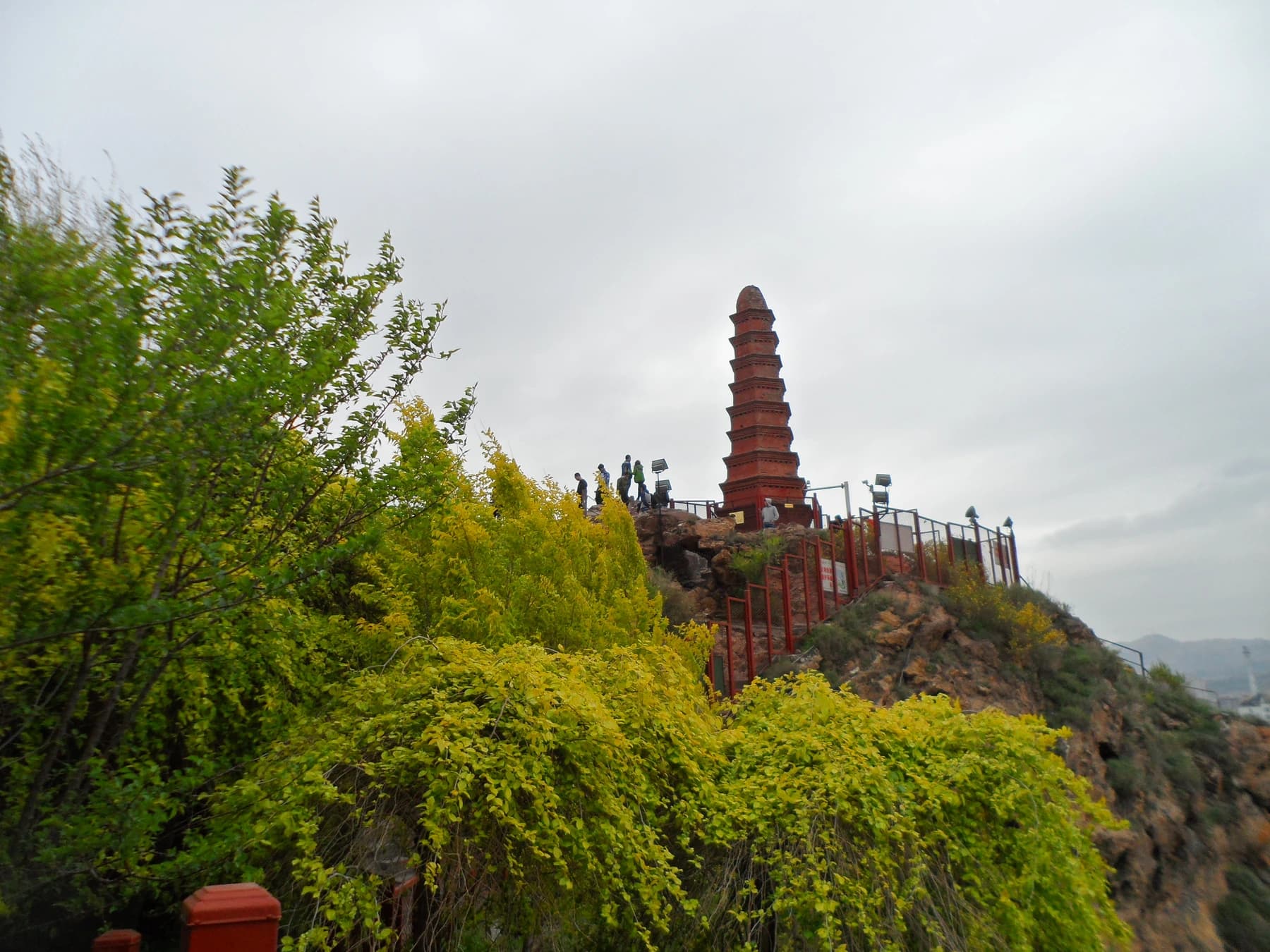
Xinjiang Regional Museum
This is Urumqi's highest-value first stop for understanding the region's archaeology, exchange routes and many communities. The institution remains publicly funded for free opening, but that does not guarantee walk-in admission on your date.
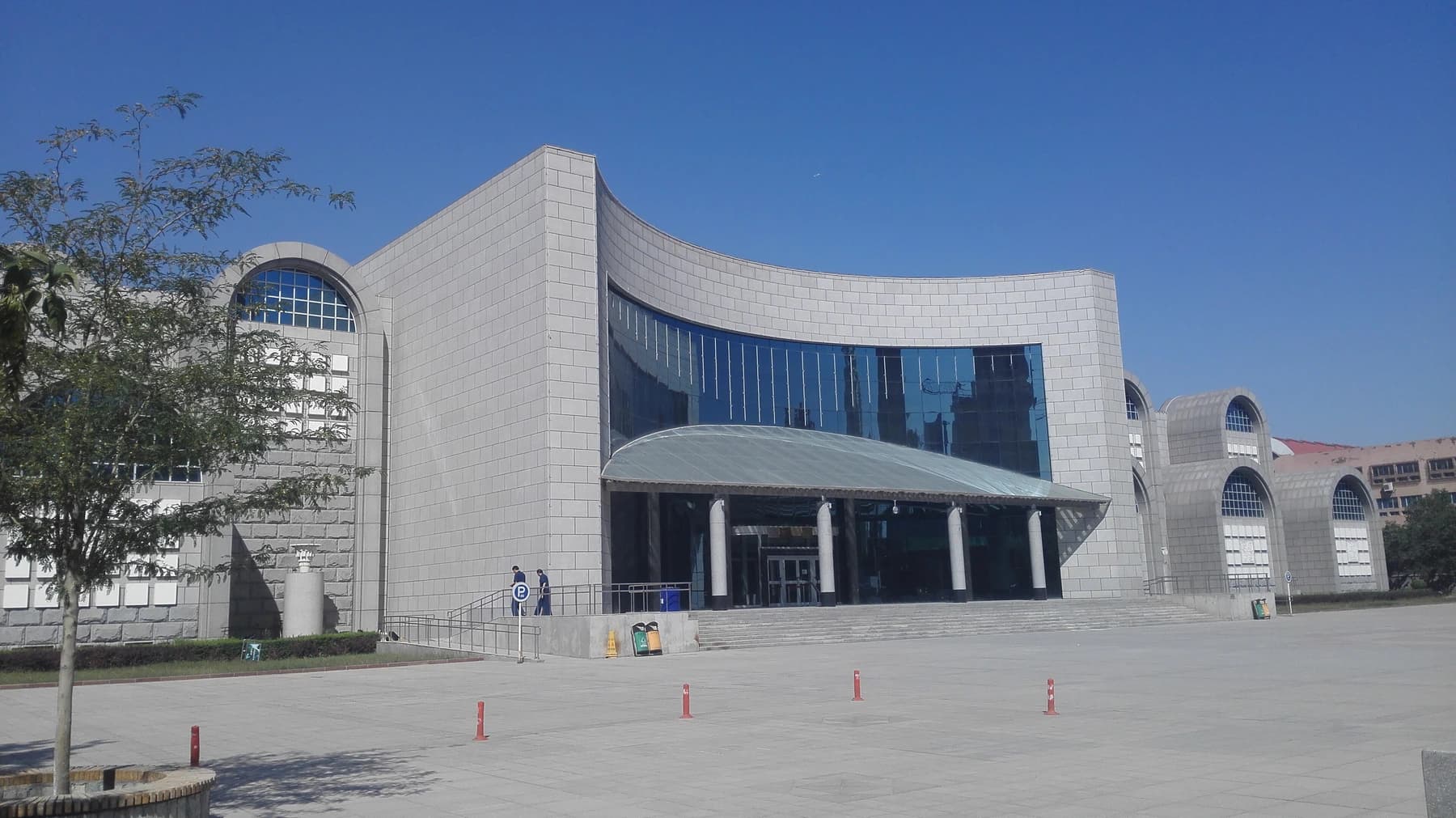
Photo: Baomi · Source · CC BY-SA 4.0
Booking with a foreign passport
Use the museum's current official account or notice for its real-name rule, release window, closure day and accepted documents. Bring the original passport used for booking. If the online form cannot accept the document, contact the museum or use its staffed identity-assistance procedure; do not create a false Chinese ID entry. The Culture and Tourism Department lists the institution at 581 Xibei Road.
A two-to-three-hour route
Start with the long chronology rather than the most photographed object. Follow trade, migration, belief and material changes across periods, then select one collection-rich gallery for slower looking. Temporary halls and object rotations can change, so a historical object should never be promised as permanently on display.
Use an evidence ladder
Begin with maps, excavation context and dated objects. Then read later reconstructions and the museum's present-day interpretive text as distinct layers. This prevents one dramatic object or translated caption from standing in for a long and diverse regional history.
Take notes by period and material rather than by “top ten treasures.” If an English label is absent, photograph the permitted Chinese label and translate it after moving away from the case. Do not publish a machine translation as an exact quotation without checking it.
Protect the reservation
Arrive early enough for identity and bag checks and save 新疆维吾尔自治区博物馆 with the official address. Urumqi is a gateway city with long-distance transport friction; do not place a museum slot immediately after an arriving flight or train. Visitor reports repeatedly warn that a missed reservation can remove the city's strongest context stop.
Bring only manageable luggage. Storage size and prohibited items are live rules, and a railway-style bag does not guarantee museum acceptance. If you cannot enter, use an official cultural institution or Red Hill rather than paying anyone who claims to bypass a free museum's identity controls.
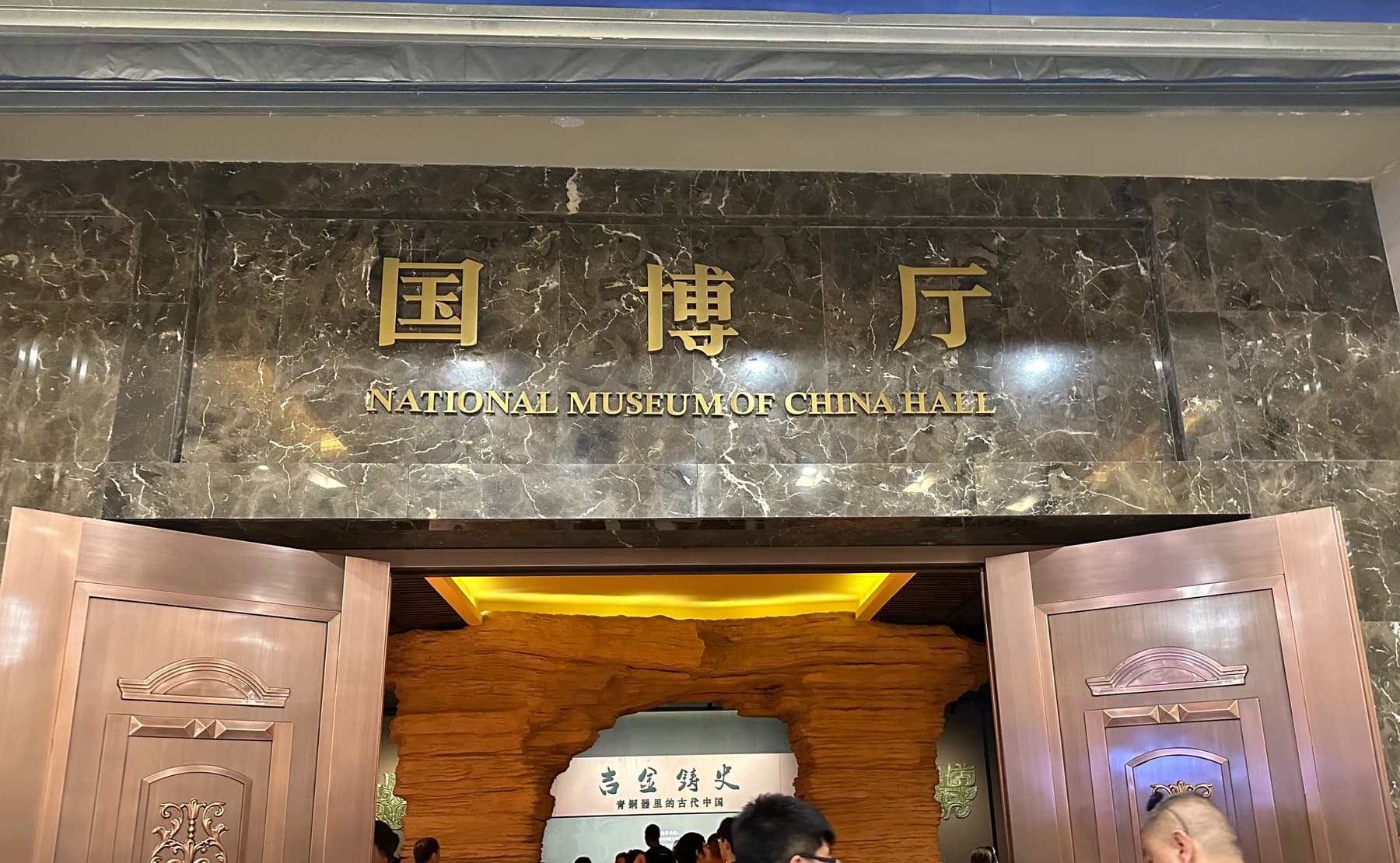
Photo: HaziiDozen · Source · CC BY-SA 4.0
Read labels critically and distinguish archaeological evidence, later reconstruction and present-day interpretation. Photography restrictions, sensitive objects and conservation lighting must be followed even when another visitor ignores them.
Pairing and fallback
The verified route to the Ancient Ecological Park is about 4.8 km / 16 minutes by car before traffic. If the museum has no usable slot, replace it with another public cultural institution whose current foreign-document access you can confirm; do not assume a reseller can sell admission to a free museum.
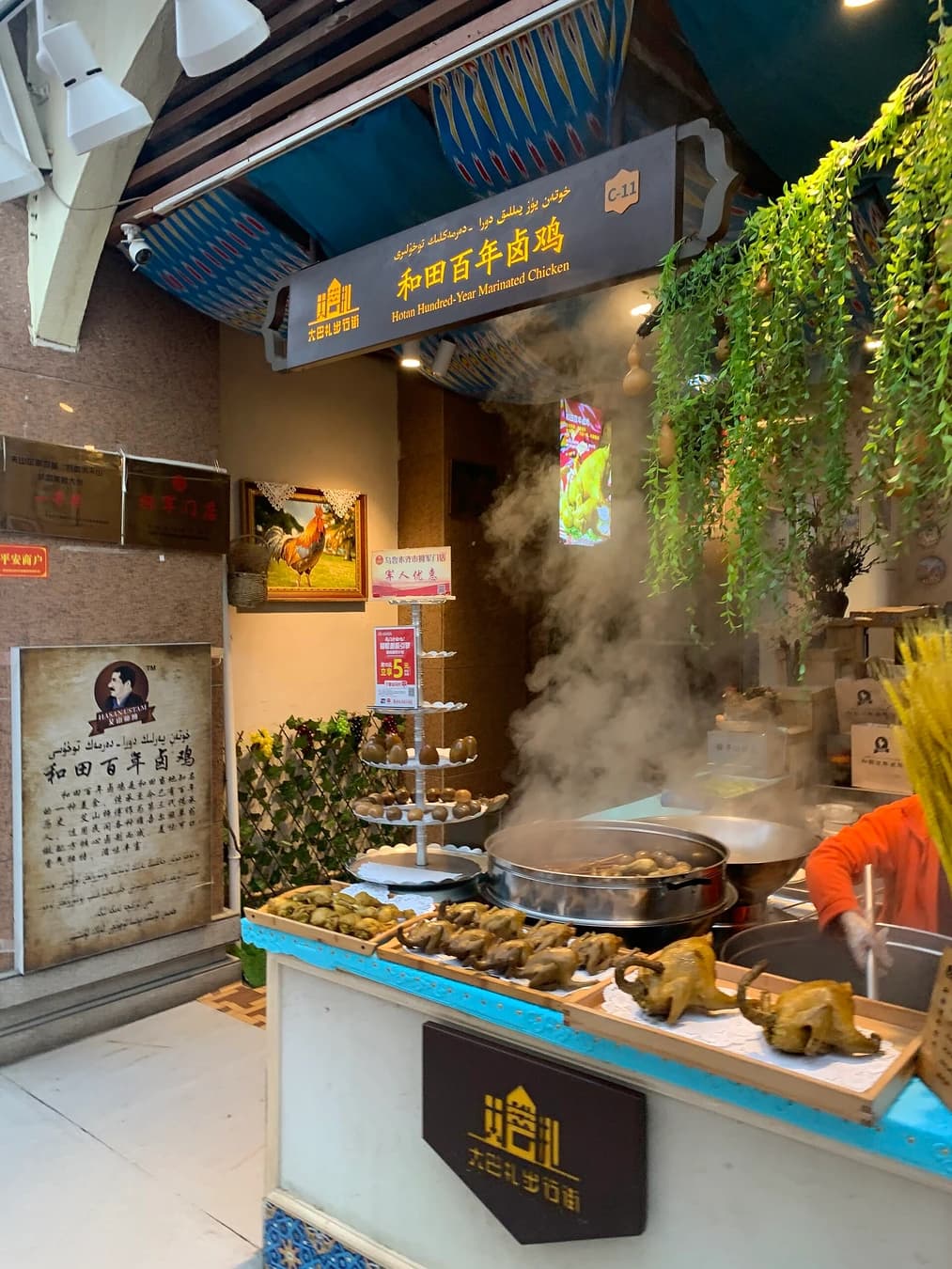
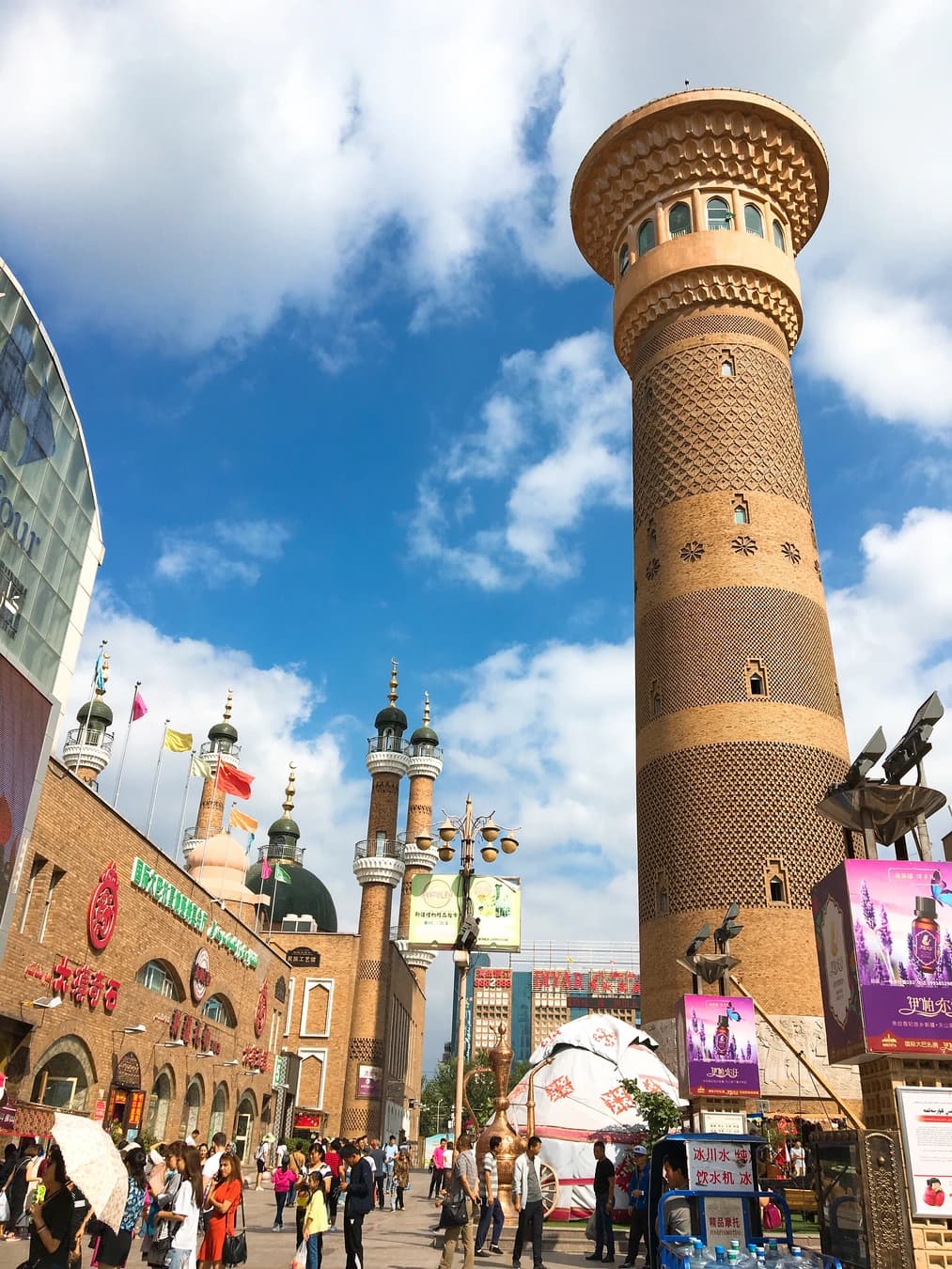
After a focused visit, choose one contemporary layer: the Grand Bazaar for modern commercial architecture or Hetian Second Street for food. The museum should help you notice complexity in the city, not turn the region into a single ancient-route narrative.
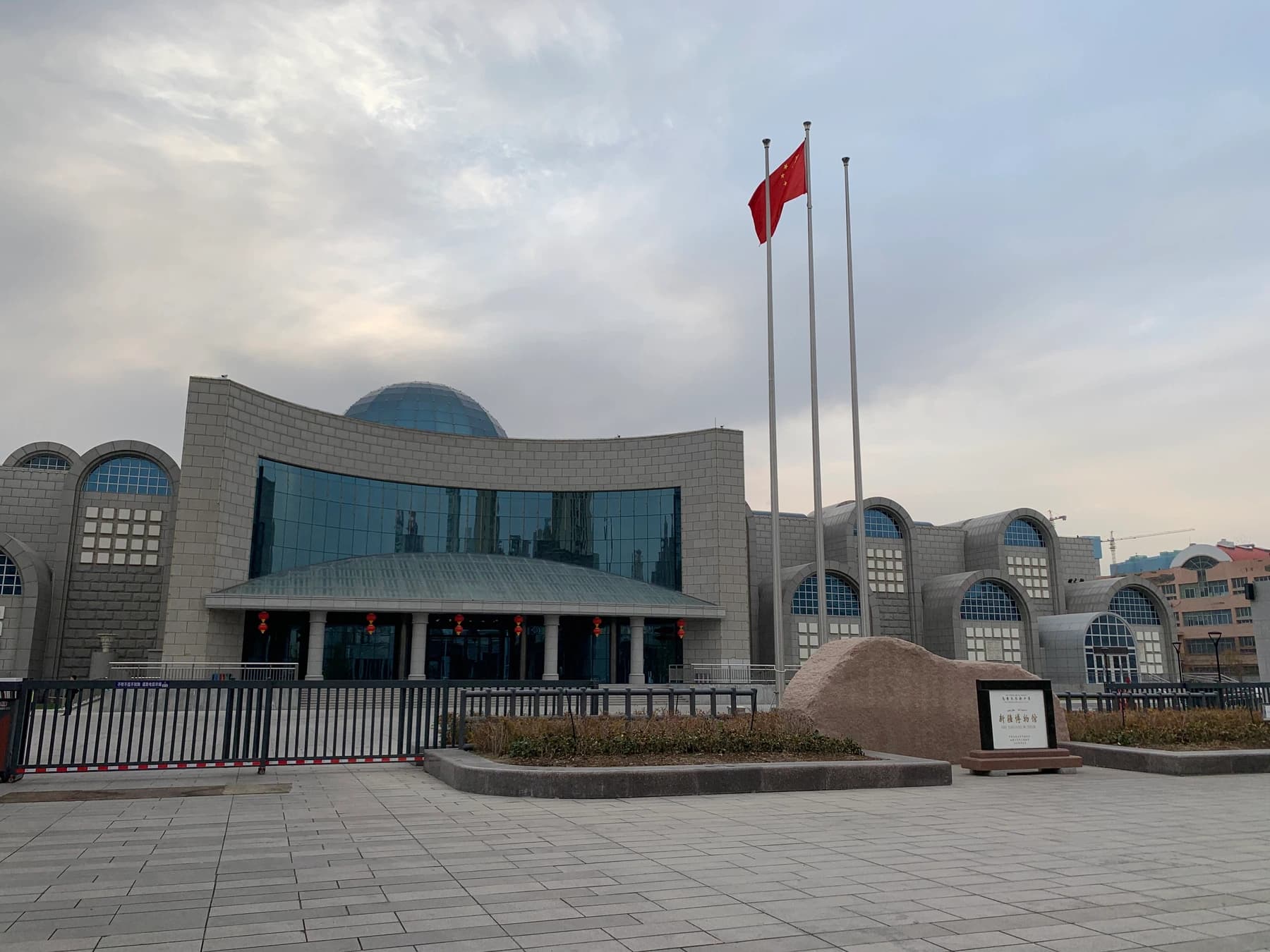
Photo: HaziiDozen · Source · CC BY-SA 4.0