Xinjiang Ancient Ecological Park
Despite its English name, this is a commercial visitor attraction with horse displays, cultural collections and performances—not a protected wild ecosystem. Urumqi government material confirms that the site keeps breeds including Akhal-Teke horses and Przewalski's horses for tourism displays. It also records past land-use enforcement and a 2025 remediation process, so avoid idealized “untouched ecology” claims.
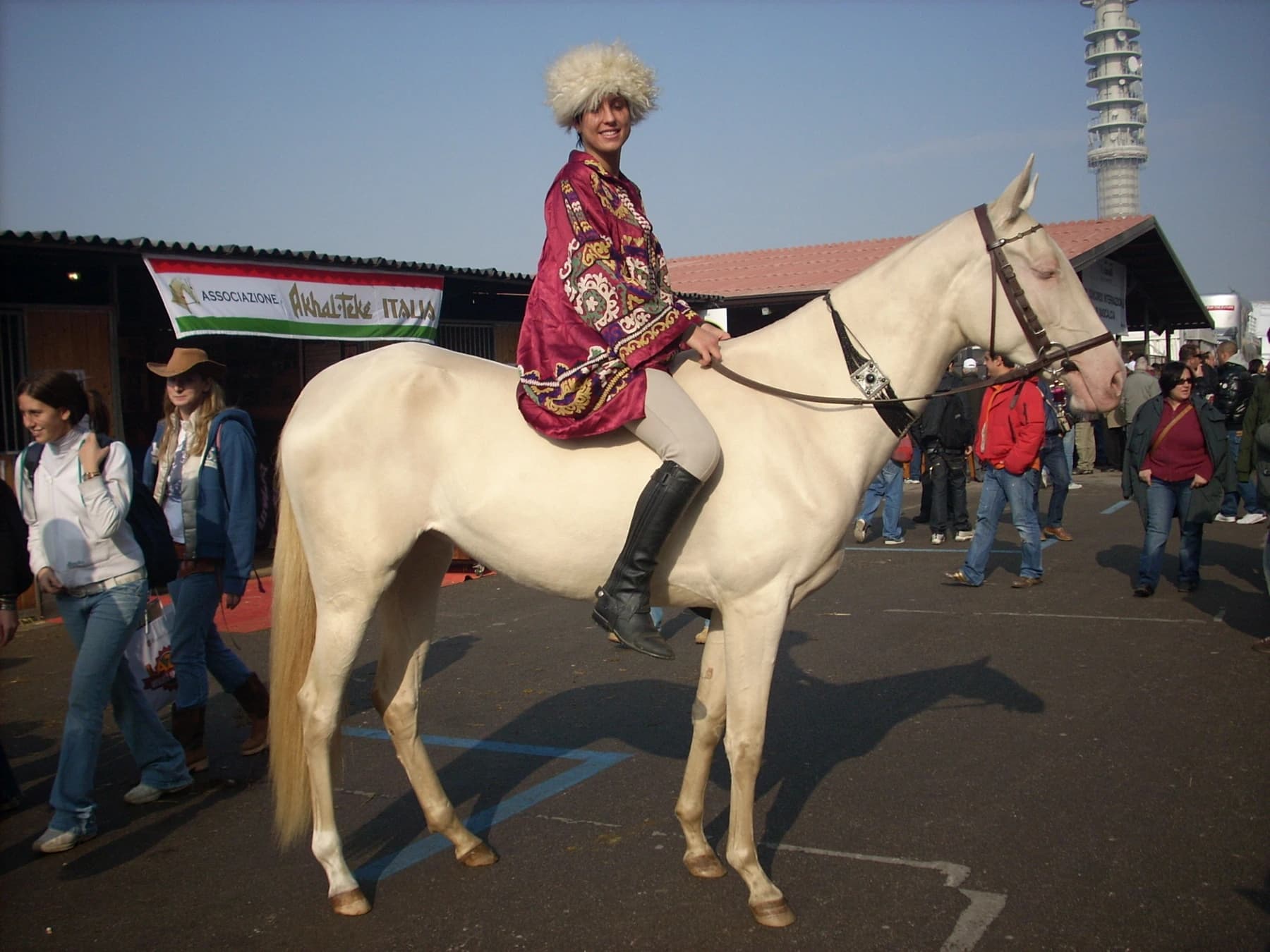
Photo: Annalisa Parisi · Source · CC BY-SA 3.0
Go, shorten or skip
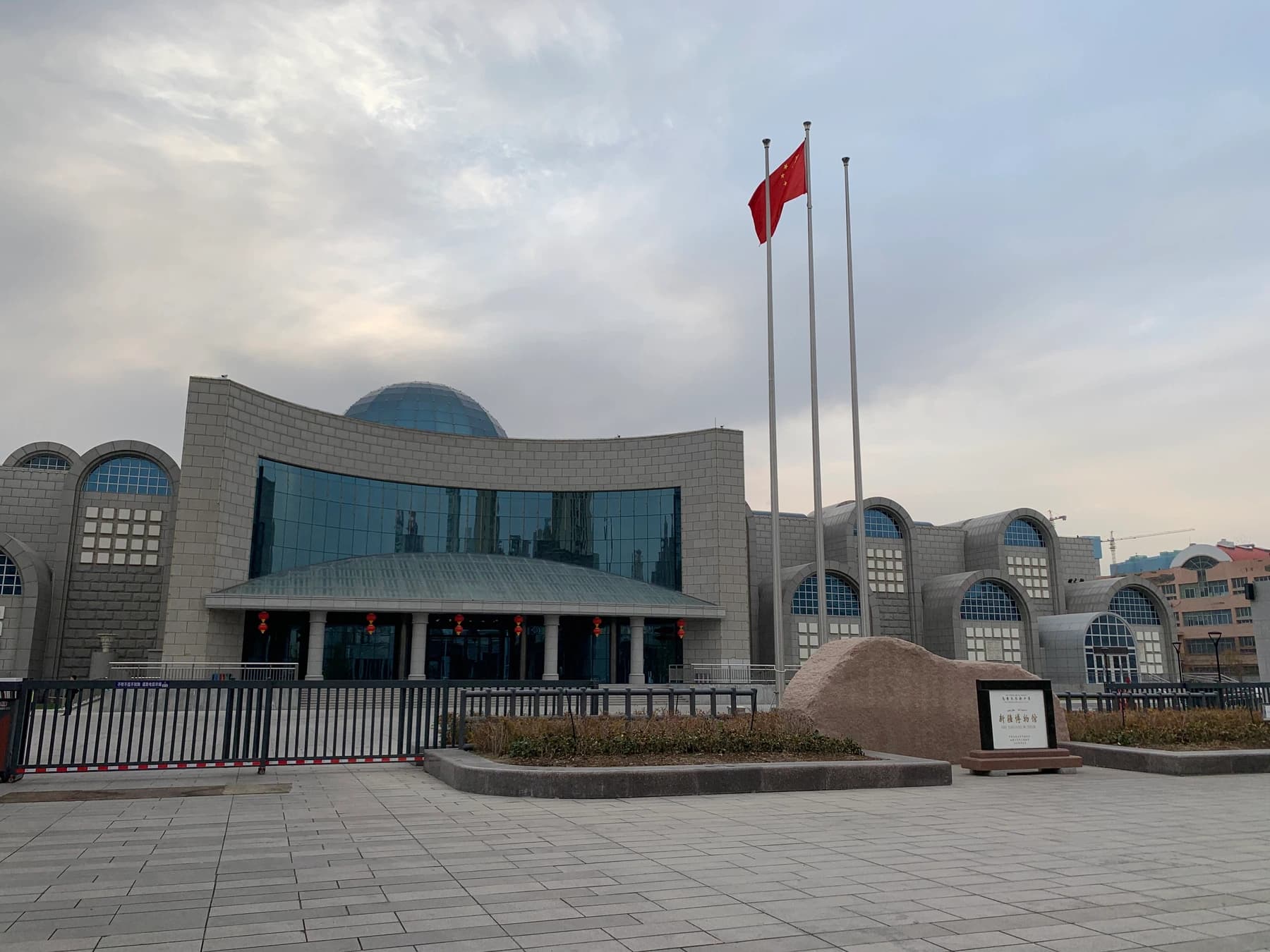
Go if you have a specific interest in horse breeds and can independently assess the live husbandry and performance conditions. Shorten the visit if the collection interests you but the show does not. Skip if animal performance is incompatible with your welfare standards; the Xinjiang Regional Museum and Red Hill provide stronger first-trip value.
Before booking, ask for the current program, exact inclusions, photography rules, stable access and refund terms. On site, look for adequate water, shade, rest, calm handling and the ability for animals to avoid continuous interaction. Do not feed or touch an animal without a handler's permission.
A welfare-first observation checklist
Before any show, look at how animals are housed and moved. Repetitive pacing, obvious distress, forced crowd contact or harsh handling are reasons to leave rather than wait for a headline performance. A polished arena or conservation claim does not replace direct evidence of day-to-day care.
Ask whether participation is optional for the animal, how rest is scheduled and what veterinary oversight exists. You may not receive a detailed answer; uncertainty should reduce, not increase, confidence. Do not buy feeding, riding or close-contact add-ons simply because they are offered after entry.
Avoid the name trap
Save the exact Chinese map location 新疆古生态园 and describe it as a commercial horse-and-culture attraction. “Ecological park” can imply a nature reserve to English readers, but that is not the visitor proposition here. Current government and inspection information should be read alongside operator marketing.
Allow 90 minutes to two hours only if the live program matches your interest. The site lies closer to the Regional Museum than the Grand Bazaar, so it belongs in a northern city cluster. If the museum has a valid slot, protect that reservation first.
Alternatives without animal performance
The Regional Museum supplies archaeology and regional context without a live-animal product. Red Hill provides an easy outdoor break, while a food walk gives direct contemporary city experience. These are not consolation choices; for many first-time visitors they offer stronger and more transparent value.
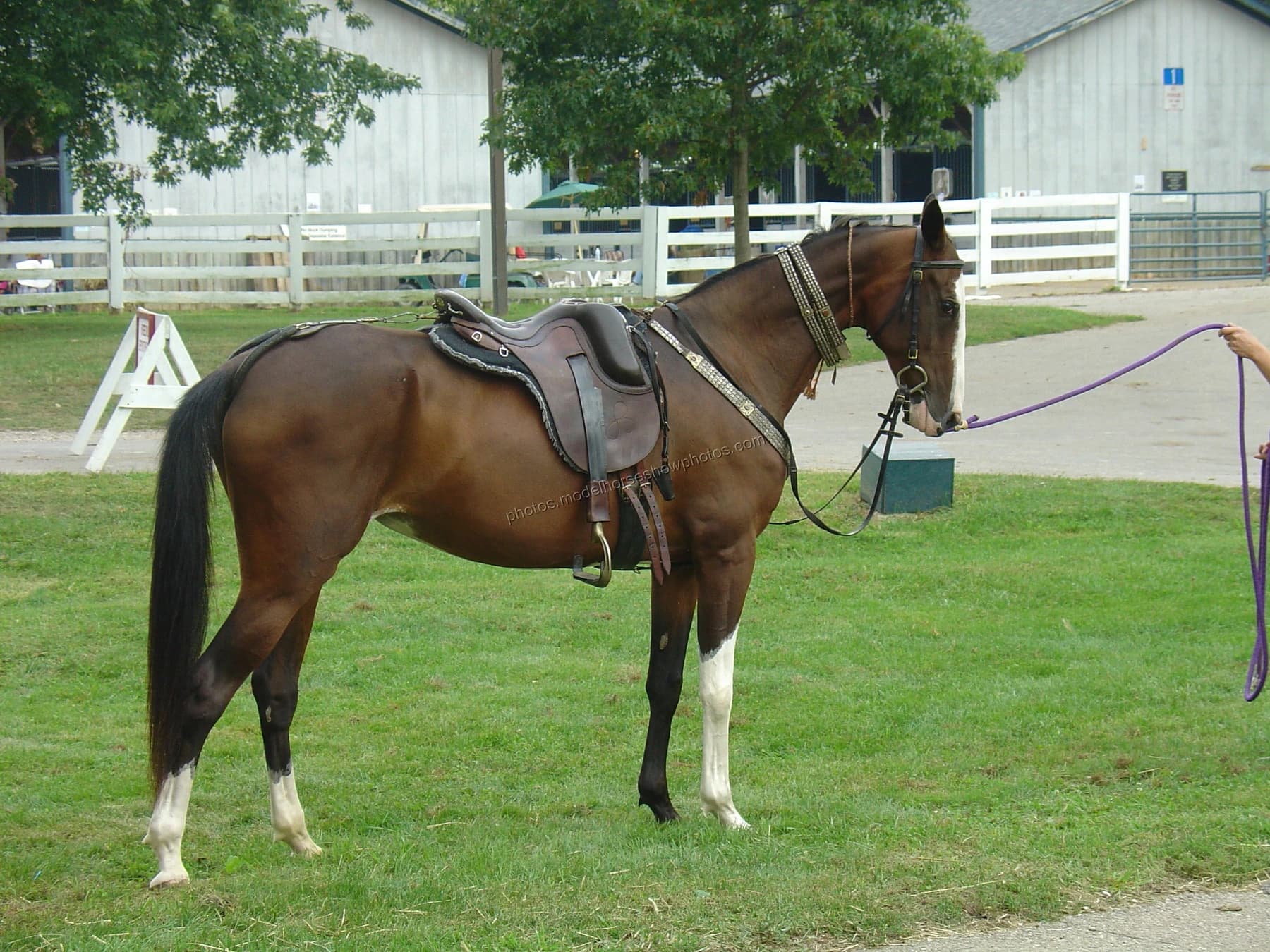
Image and evidence note
The horse photographs on this page are licensed representative breed images, not proof of the animals, facilities or conditions present on your visit date. Current on-site observation and official inspection information take priority.
Do not repost a representative horse image as if it documents this park. If you publish your own visit, label the date and visible conditions and avoid making broad welfare conclusions from a single posed encounter.
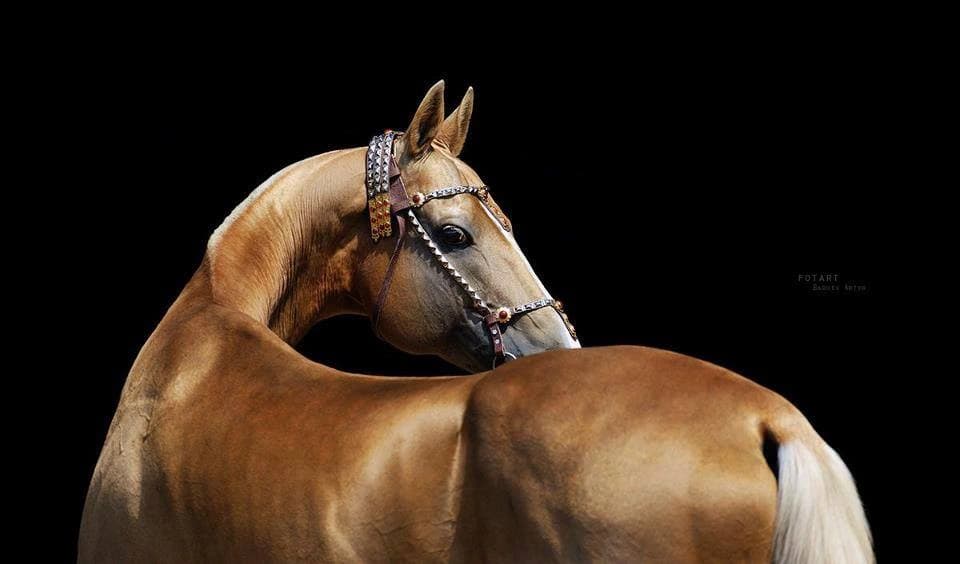
Photo: Photo by Artur Baboev - https://artur.baboev.com/ · Source · CC BY-SA 4.0