Italian Style Town Tianjin
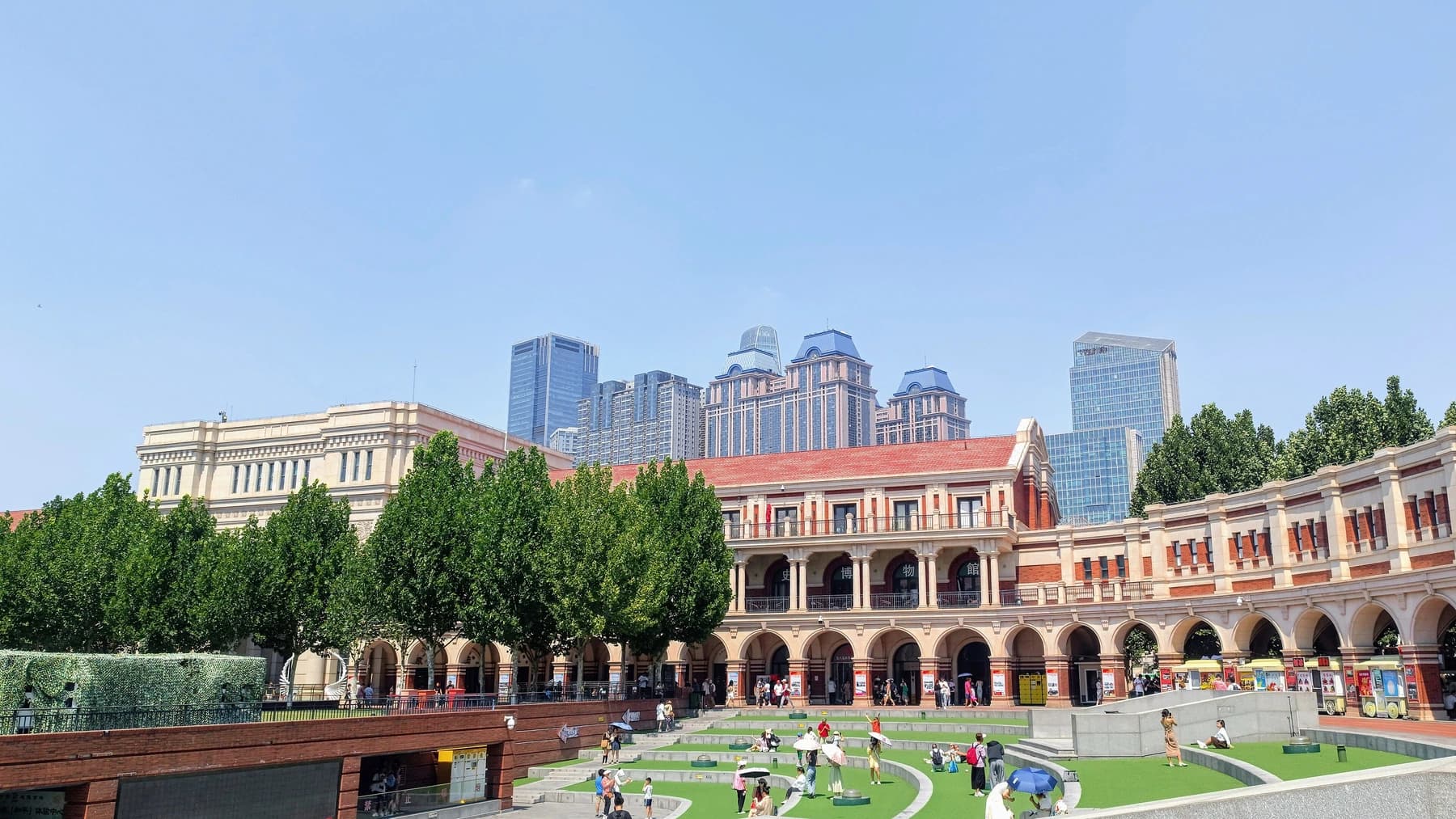
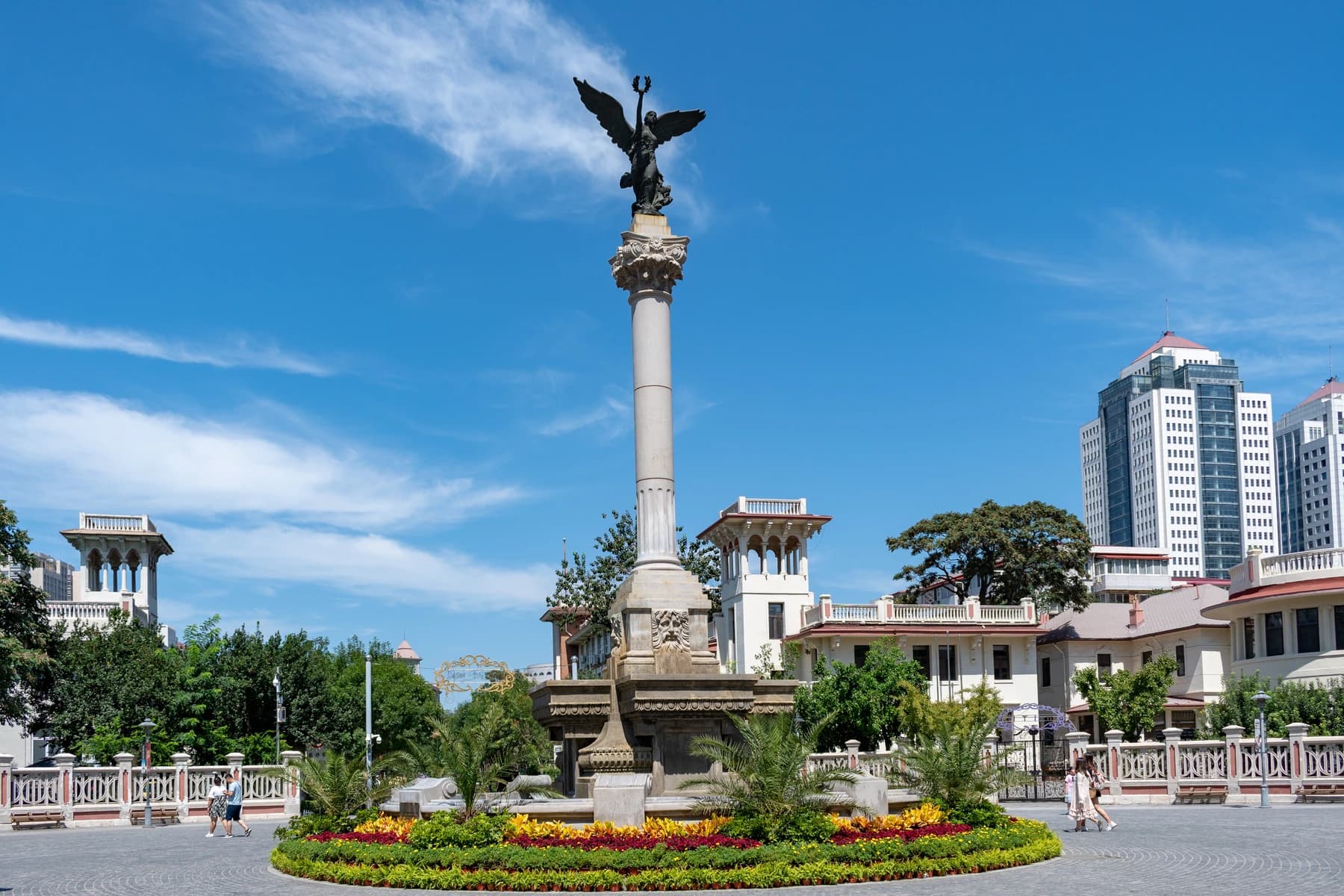
Italian Style Town occupies part of Tianjin's former Italian concession. Its appeal is the concentration of early twentieth-century street patterns and buildings near the Haihe, but today's district also contains restaurants, event spaces and heavily curated public areas. Go for architecture and urban history first; treat dining as optional.
When and how long
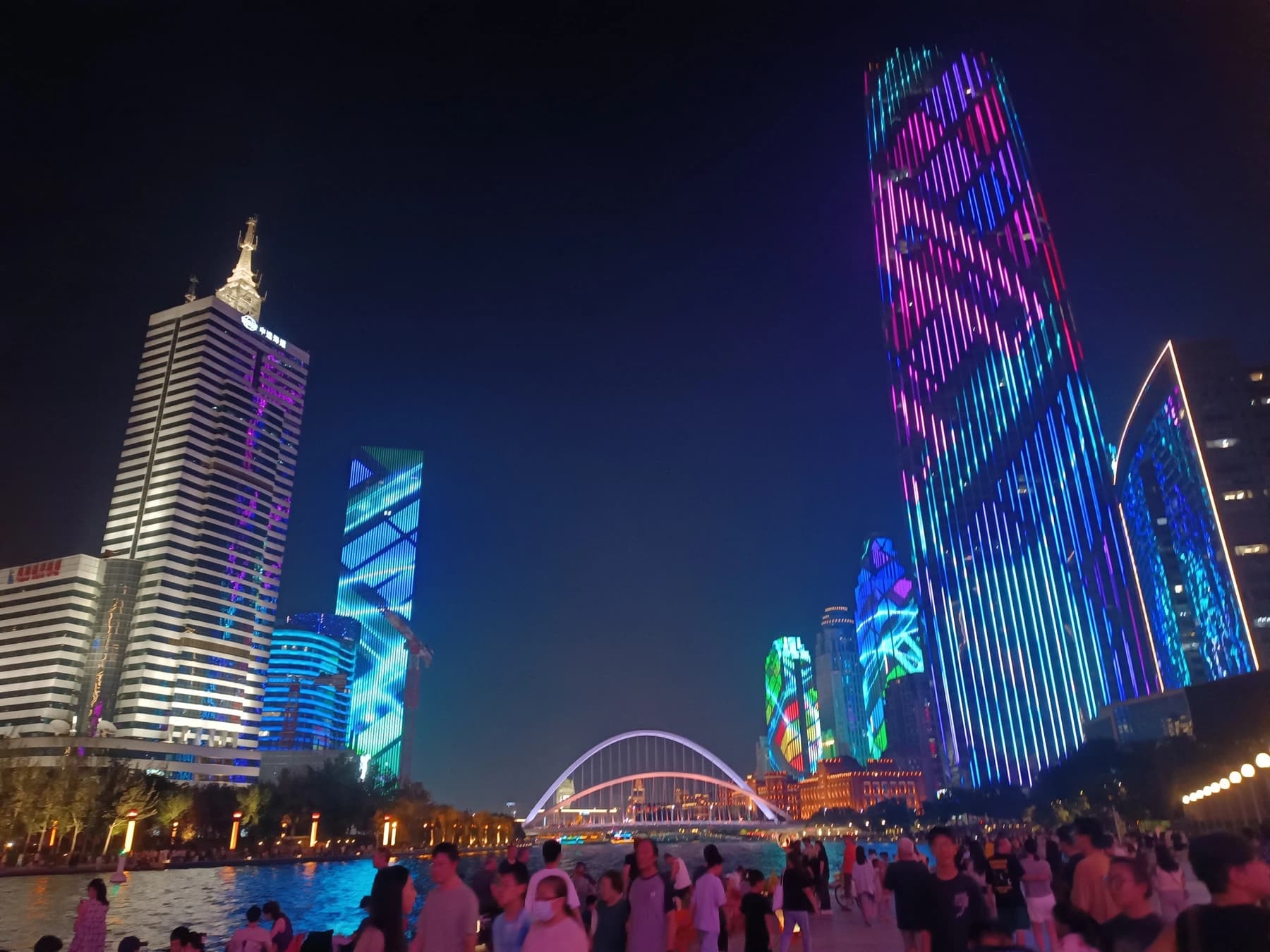
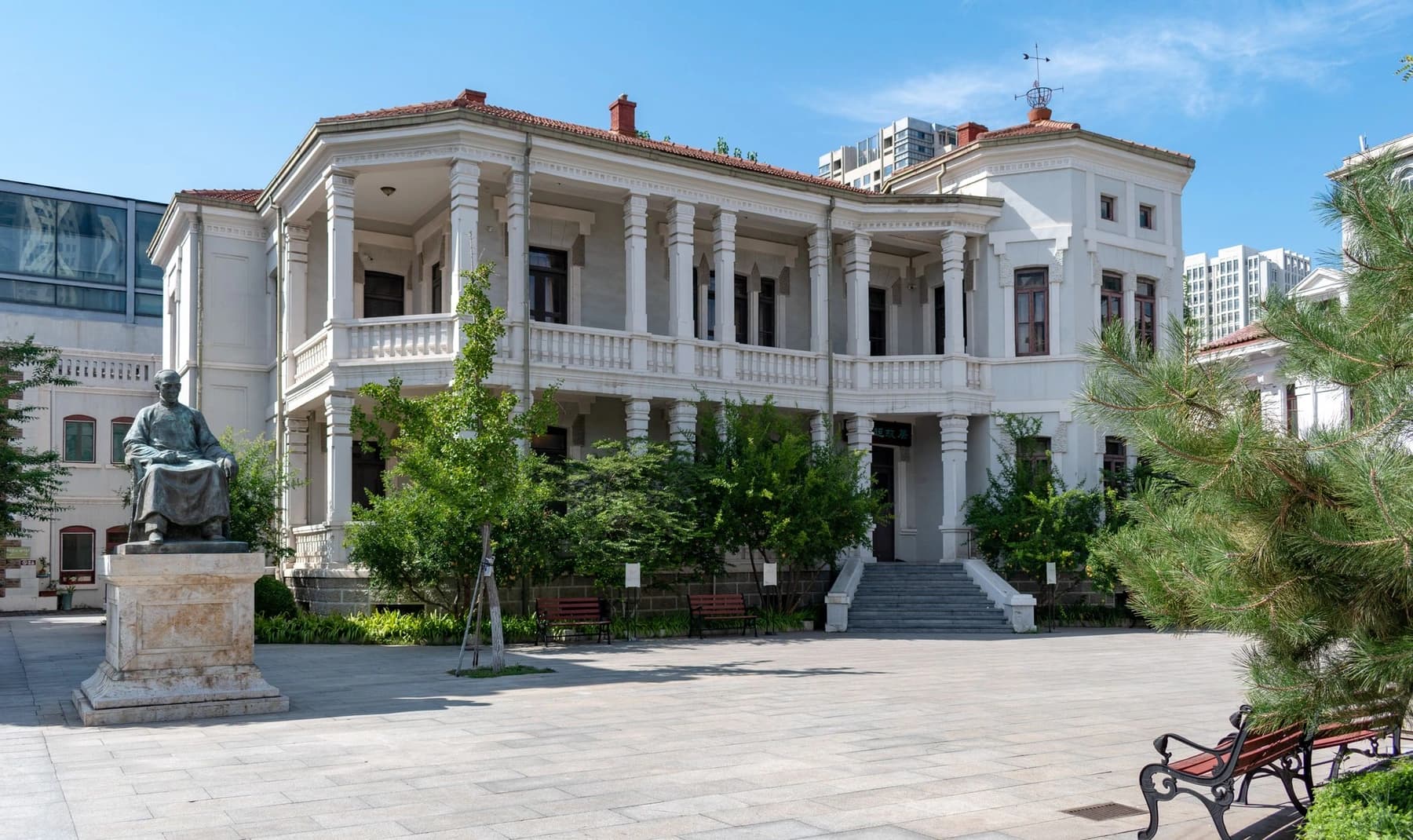
Visit in the morning for quieter streets and clearer building views, or in late afternoon to connect with the river. One to two hours is enough for a first circuit unless a specific residence, exhibition or guided interior is open. The district is not a substitute for Rome, nor is every European-looking façade equally historic.
Start near Marco Polo Square, then follow a short loop through side streets. Look at plot size, corner buildings, rooflines and the relationship between villas and the wider concession-era city. Check labels where present, but distinguish documented history from restaurant marketing.
Avoid the common disappointment
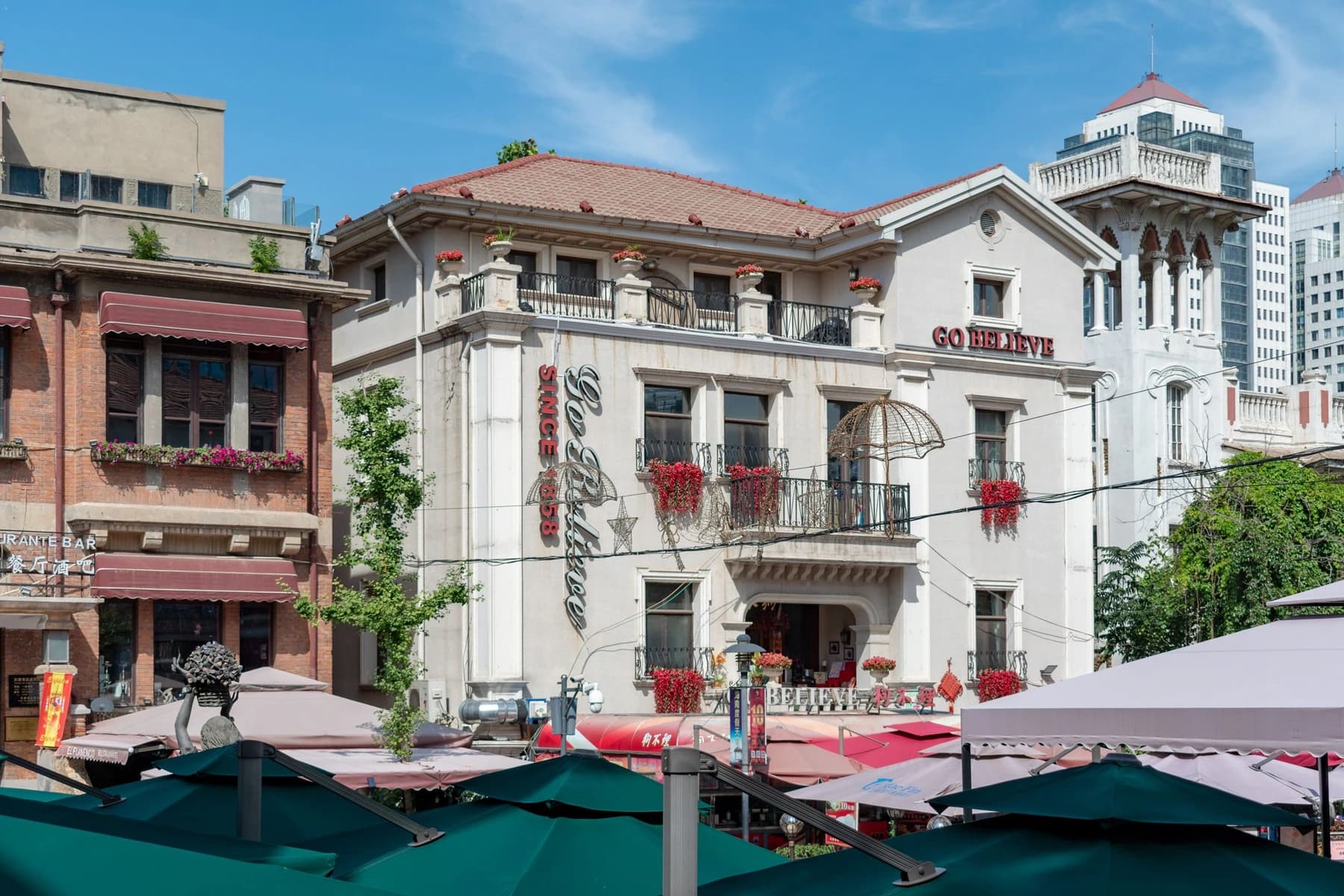
Visitors often arrive expecting a huge preserved quarter and instead find a compact entertainment district. That is not a reason to skip it; it is a reason to set the right scale. Do not spend half a day waiting for themed restaurants if your priority is Tianjin history. Exterior public space gives much of the architectural value for free.
When choosing food, inspect a full menu and final price. A photogenic terrace does not guarantee regional relevance or value. Tianjin breakfast foods and local dishes are often better explored elsewhere rather than forced into this district.
Continue to the old city
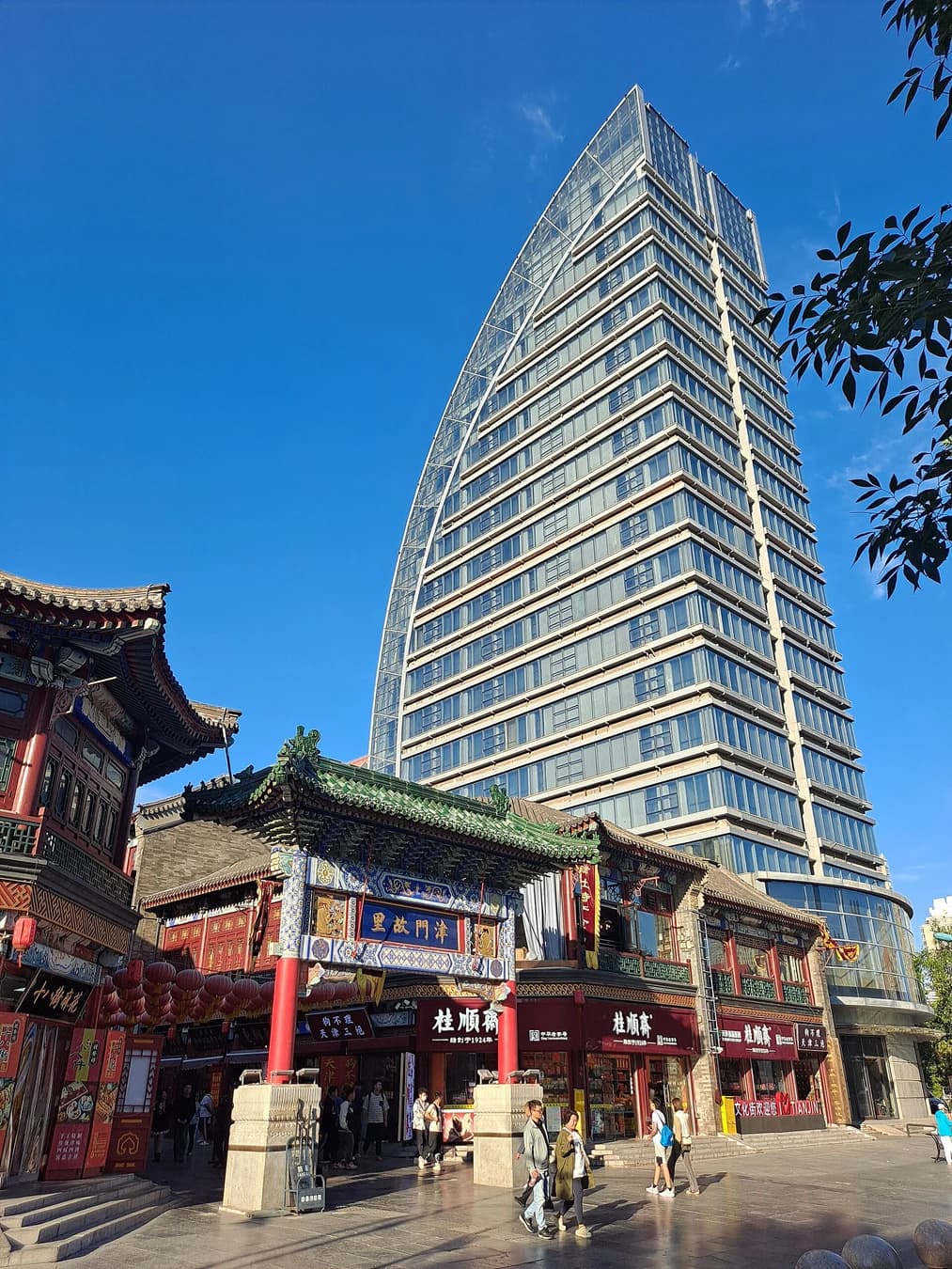
Amap planning from the verified Italian Style Town map location to Ancient Culture Street is roughly 1.1 km / 15 minutes on foot or 2.0 km / 9 minutes by car. The walk crosses the central river landscape and makes the contrast between concession-era and older commercial Tianjin legible.
Tianjin Station is also close, making this a useful arrival or departure-day stop when luggage is stored safely and the train buffer remains generous.
Most of the core loop is on public streets, but kerbs, vehicle crossings, event barriers and busy restaurant terraces can interrupt an apparently step-free line. Travelers with limited mobility should choose a short out-and-back from Marco Polo Square rather than promising a complete loop. In rain or ice, substitute one documented building exterior and the river edge for a long pavement circuit; the district's value does not depend on covering every lane.
Photograph architecture from public pavement and respect residences or offices that are not visitor interiors.