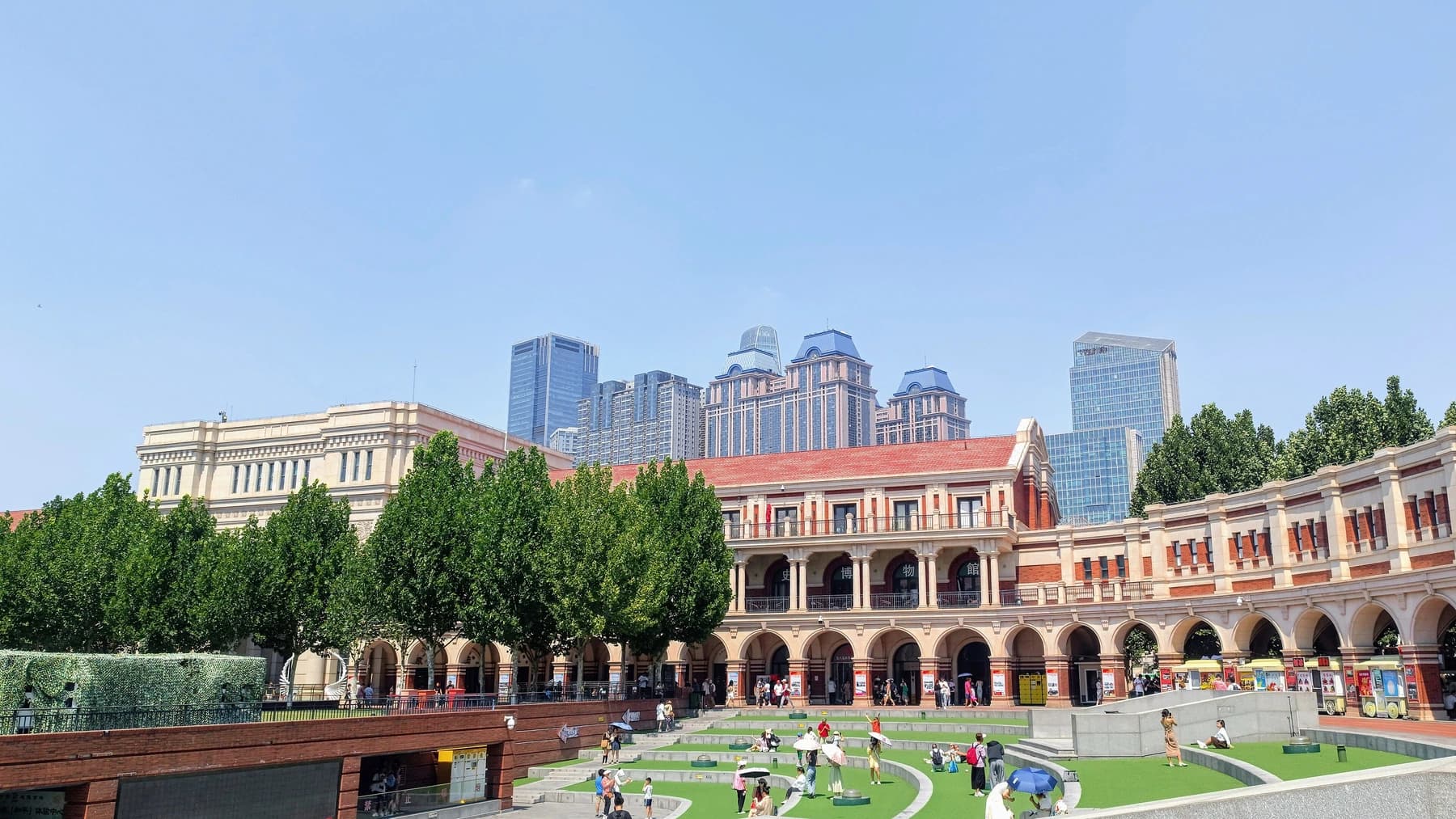
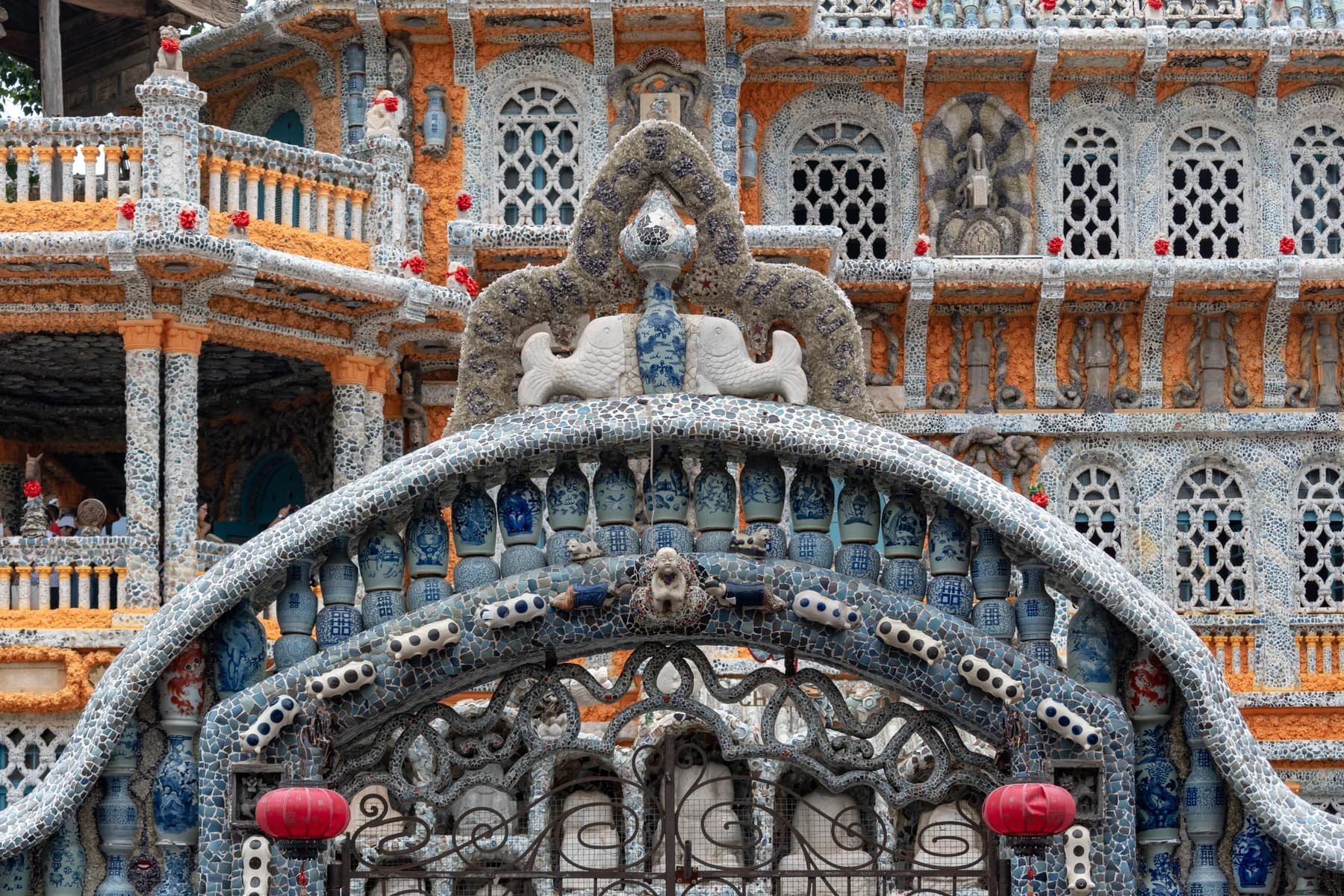
Ancient Culture Street Tianjin
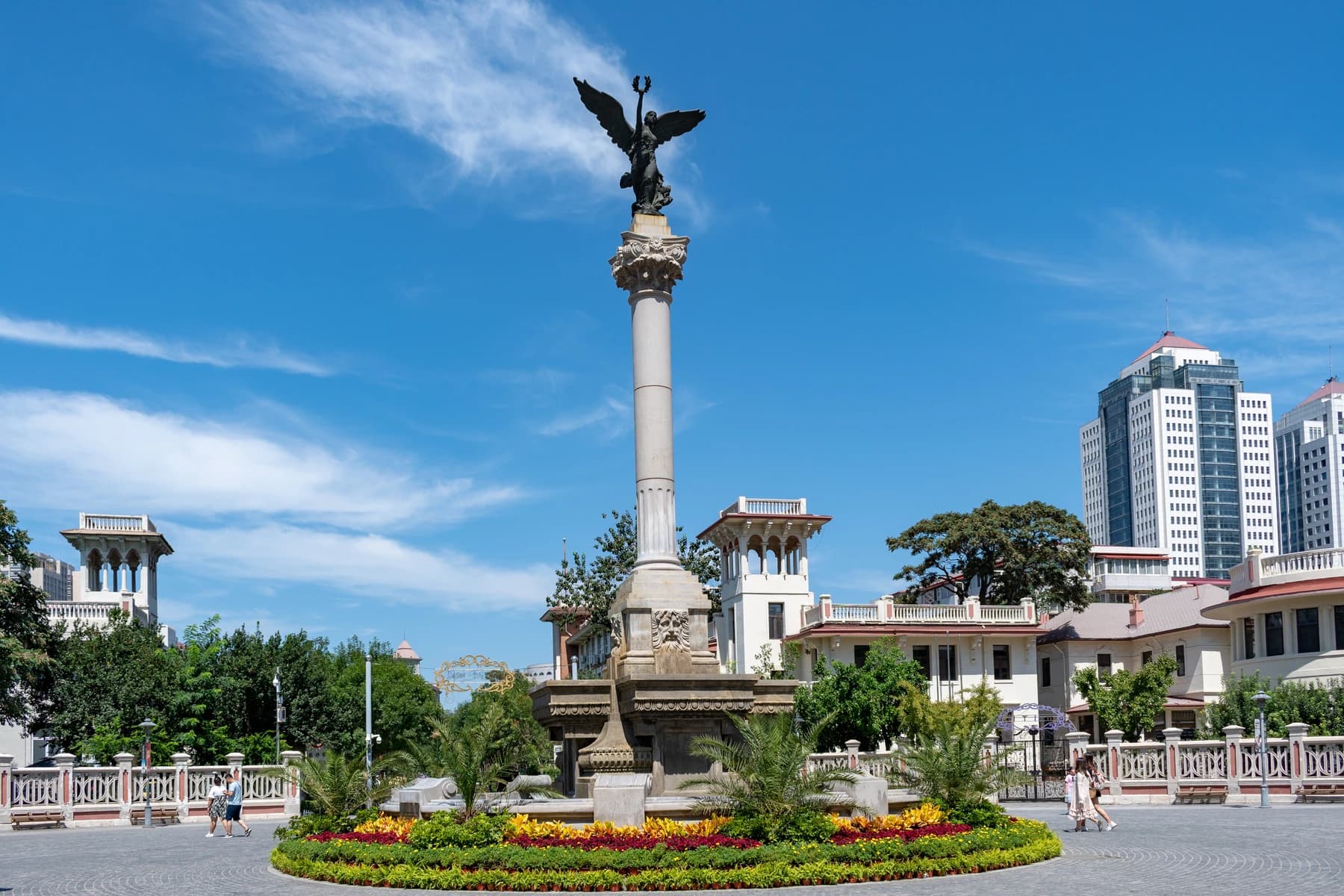
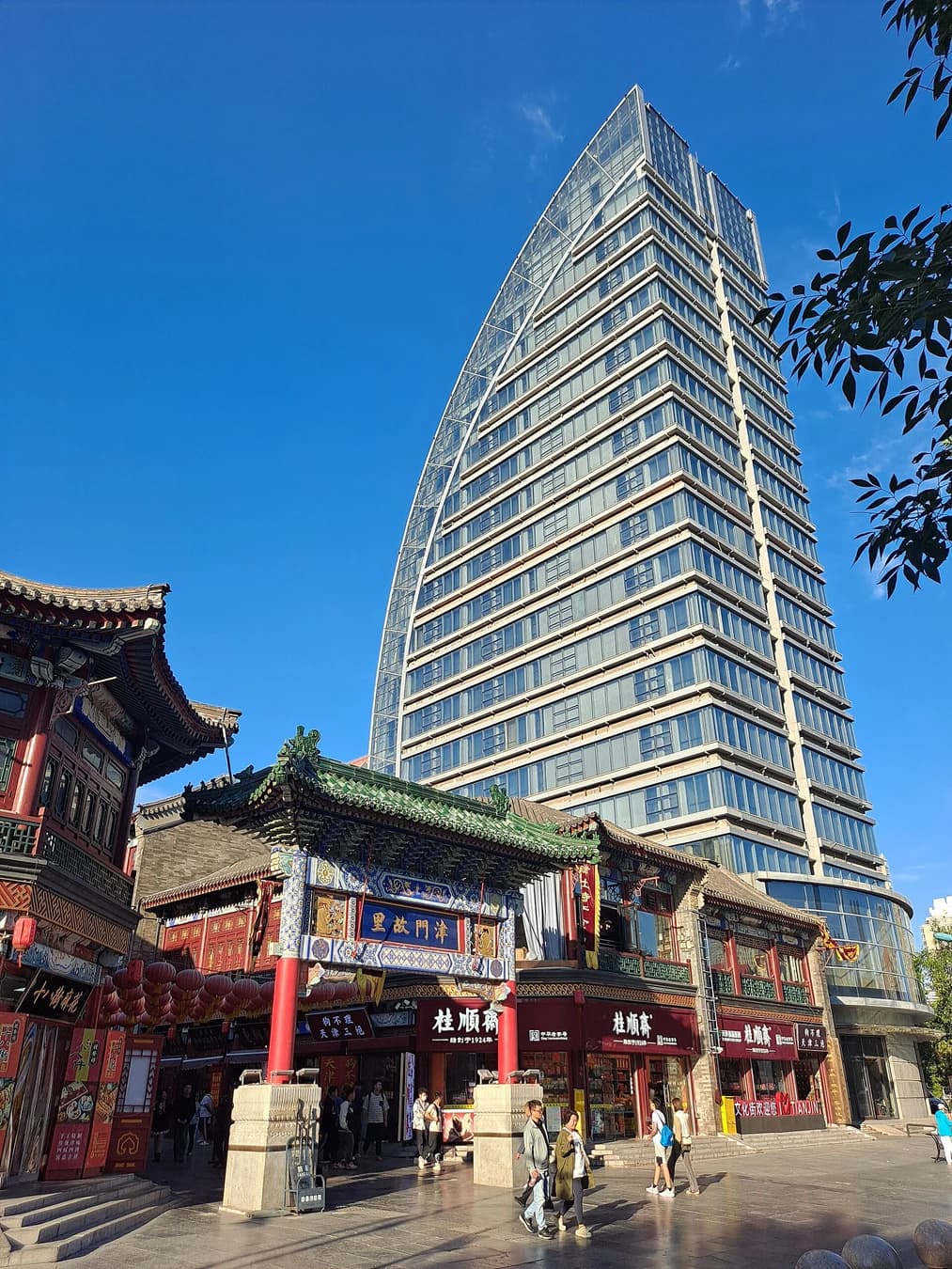
Ancient Culture Street is a reconstructed commercial pedestrian street around a much more important historical anchor: Tianhou Palace and Tianjin's relationship with canal, river and maritime worship. If you visit only for packaged snacks and souvenirs, the district can feel interchangeable. Start with the historical reason the street exists.
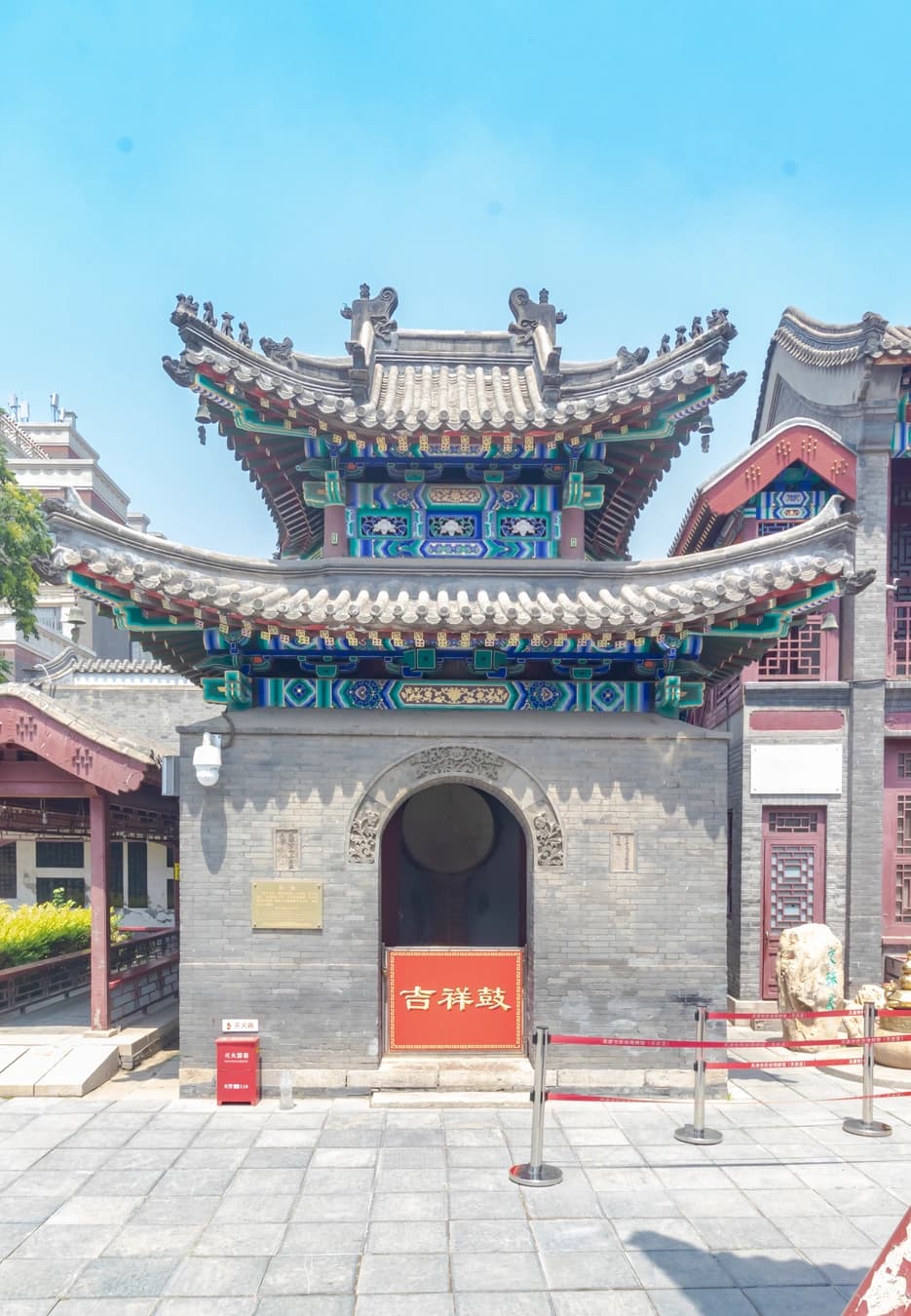
Photo: ScareCriterion12 · Source · CC BY-SA 4.0
A focused sequence
Enter the public street, orient toward Tianhou Palace, and give the temple complex your first attention. Read any current interpretation about Mazu worship and Tianjin's commercial waterways, then return to the street for façades, craft shops or one food stop. This reverses the common pattern of spending all available time at the first souvenir stalls.
Allow about two hours for the street and temple area, longer only if a museum, performance or craft demonstration is genuinely open. The public pedestrian street and individual interiors do not necessarily share the same hours, ticket or identity policy.
The public outdoor street has operated as a 24-hour-open block since 2023, but this means the lane remains passable; it does not mean Tianhou Palace, museums, shops, performances, toilets or visitor services stay open all night. Check dated notices for any interior you consider essential. Morning gives the clearest historical visit, while late evening mainly offers façades and whatever businesses remain open.
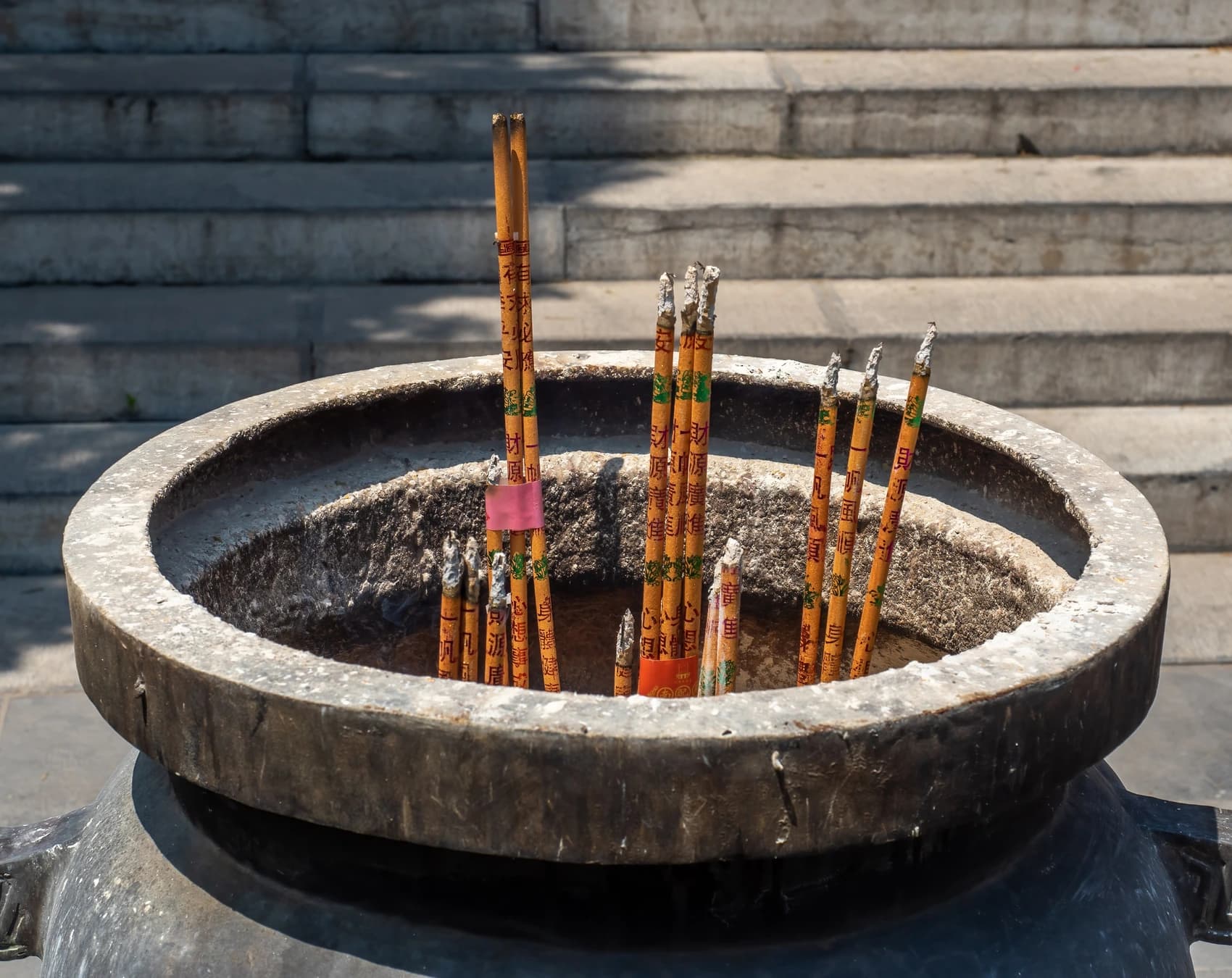
Photo: Ermell · Source · CC BY-SA 4.0
Temple etiquette and shopping
Tianhou Palace remains a religious place. Keep voices low, do not obstruct worship, and follow photography restrictions inside halls. Incense, blessing objects and donations are optional practices, not mandatory components of entry.
For snacks, crafts or antiques, ask the final price before accepting preparation or personalization. Treat claims of age, rarity or intangible-heritage status cautiously unless a credible institution supports them. Buy an object because you understand and want it, not because a fast sales story creates urgency.
If you want a craft encounter rather than generic shopping, choose one category—such as painted clay figures, kites, paper cutting or New Year pictures—and ask the maker or shop to explain the material, process, production time and fixed price before purchase. A useful transaction leaves you able to describe what was made and by whom; a heritage label alone is not proof that the item in your hand was locally or manually produced.
Read three historical layers
First is Tianhou Palace and the river-and-maritime worship that explains the location. Second are surviving or protected religious and commercial structures with their own dates and functions. Third is the reconstructed pedestrian-street layer designed for contemporary tourism. Separating these layers makes the district more interesting without pretending every façade is equally old.
Connect it to the river
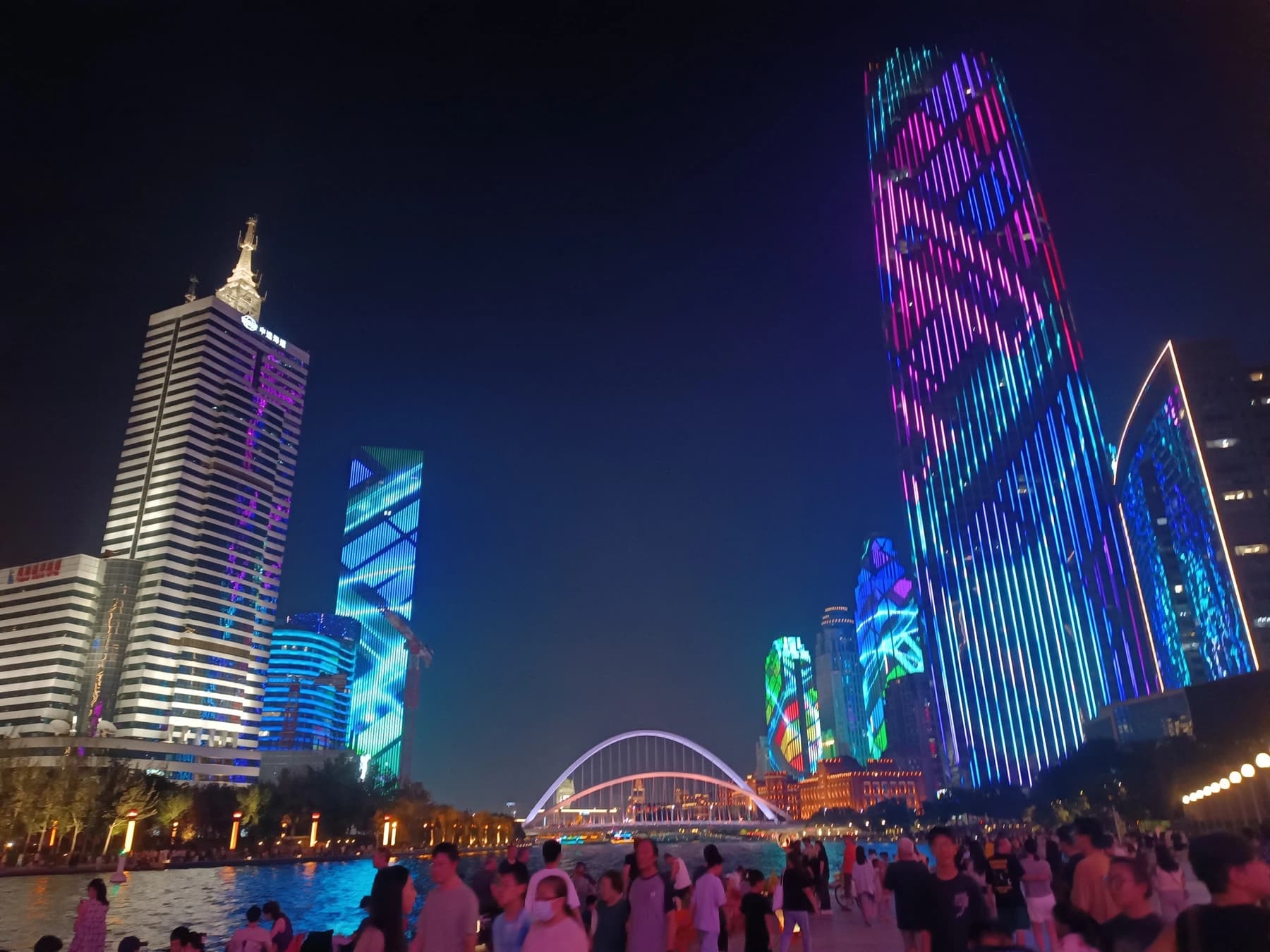
From Italian Style Town, Amap gives roughly 1.1 km / 15 minutes on foot to the Ancient Culture Street map location. From there, the verified Haihe cruise pier is about 0.2 km / 4 minutes on foot. This makes the street a sensible late-afternoon bridge to a Haihe evening.
Crowds rise on weekends and holidays. Visit earlier if temple context matters; use late afternoon when the main objective is the transition to the illuminated river.
The pedestrian surface is mostly straightforward, but thresholds, crowded shopfronts and temple steps can narrow an otherwise accessible route. Wheelchair users and families with strollers should treat the open street and the interiors as separate accessibility questions and avoid the densest holiday periods.