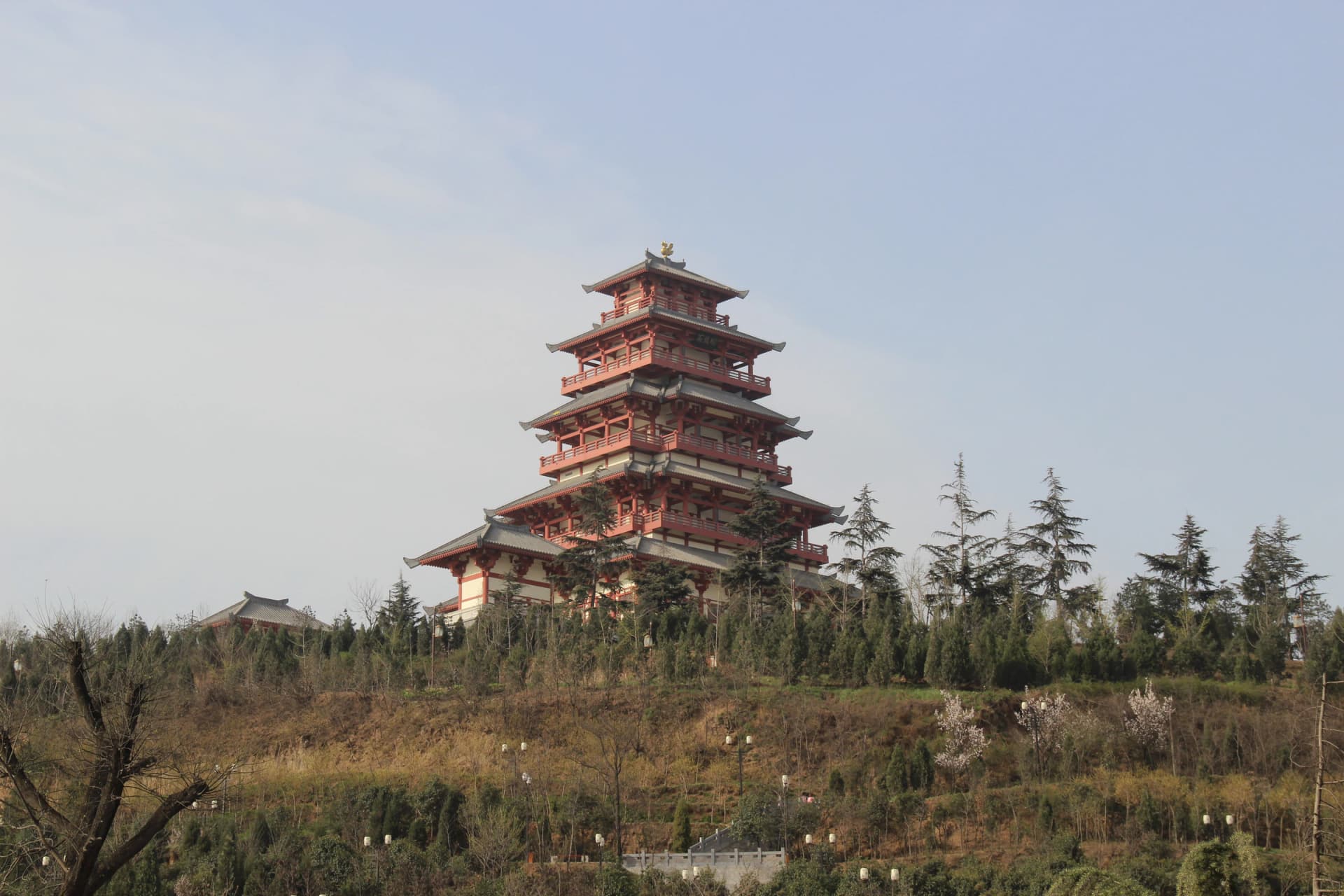
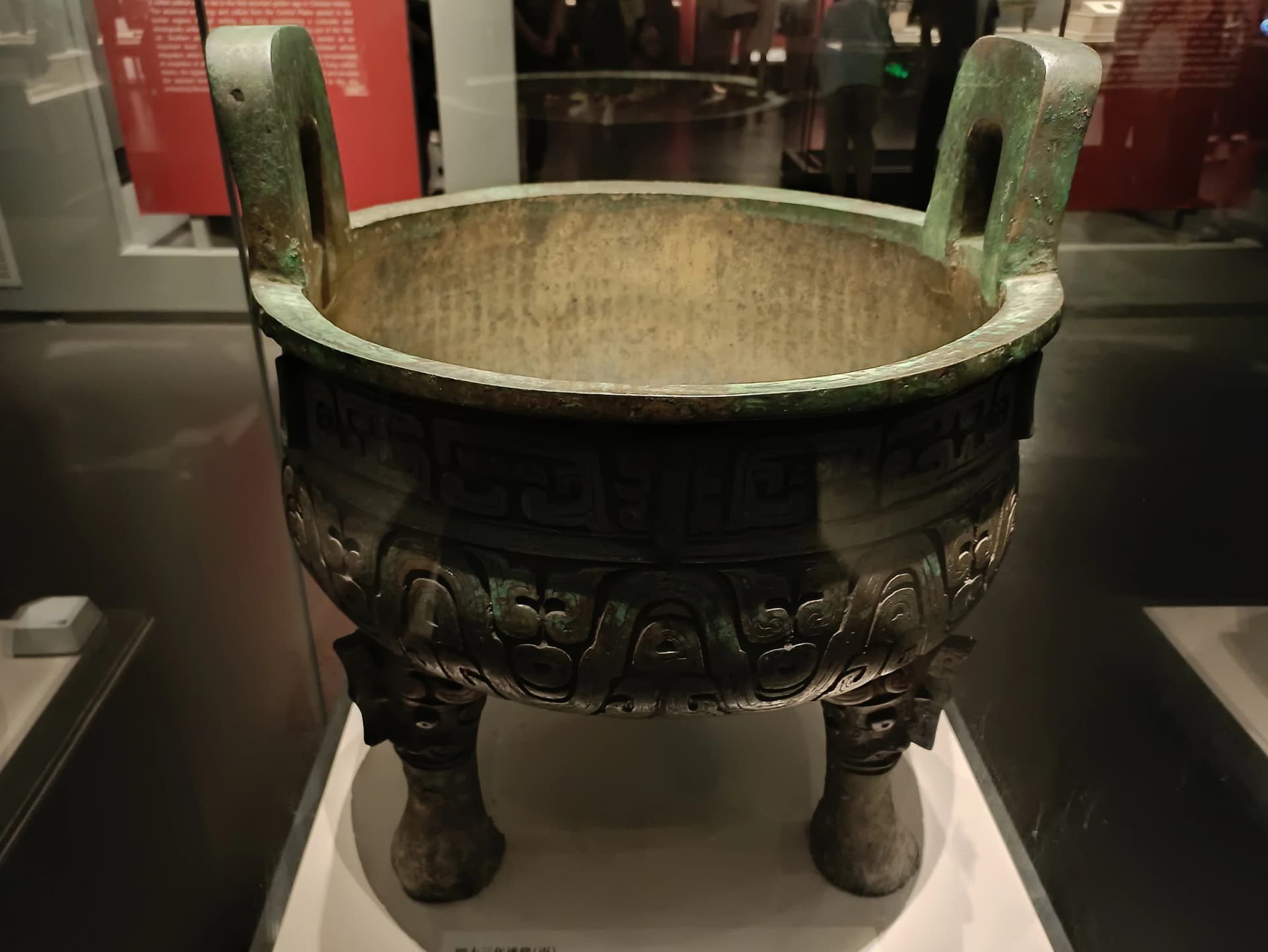
Famen Cultural Scenic Area
Updated September 11, 2026
Famen's strongest reward is a collection with extraordinary historical concentration: secret-colour ceramics, reliquaries, gold and silver work, and objects tied to the Tang underground-palace discovery. The modern cultural precinct adds scale; the older temple adds religious continuity.
The site changed in April 2026, so choose your visit by what is actually open rather than by an old checklist.
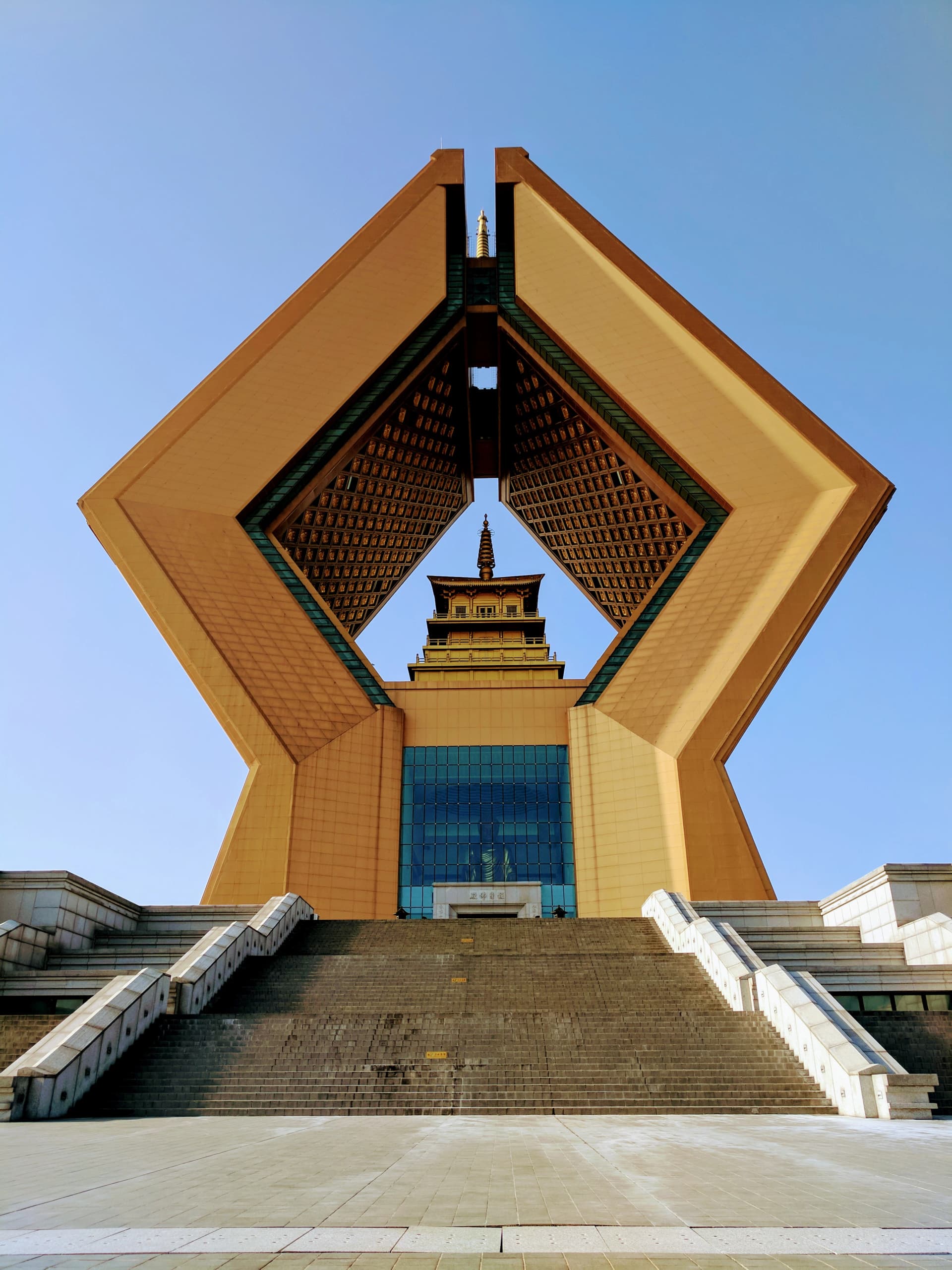
Photo: Wookieewrath · Source · CC BY-SA 4.0
What changed in 2026
From 20 April 2026, Famen moved to a reconfigured single-ticket cultural site. The museum and the main contemporary scenic areas are part of it, while the historical religious temple is no longer an ordinary visitor area guaranteed to be open every day. The original crypt, individual galleries and relic veneration can also open or close independently.
The change doesn't reduce the collection's value. Plan the museum, the historical temple, the archaeological crypt story and the modern tower as separate parts; not all four are guaranteed.
Collection first or the full precinct
| Visit | Core value | Best fit |
|---|---|---|
| Collection first | Famen Museum, Tang objects and underground-palace story | History and art, shorter walking day |
| Full cultural precinct | Museum plus the open monumental architecture and grounds | First visit with more time |
| Religious-date visit | Only the areas named in an official notice | Visitors travelling for a confirmed day |
Opinions differ on whether the long monumental axis and internal vehicle are worth it. Either of the first two visits is a good choice; just don't rush the museum.
Route through the site
Start with the visitor-centre instructions. If the museum is open, give its collection the largest block of time. Add the older pagoda and temple exterior and the modern reliquary-tower precinct only where the day's access allows. The reconstructed underground-palace display is interpretation; the original crypt may not be open.
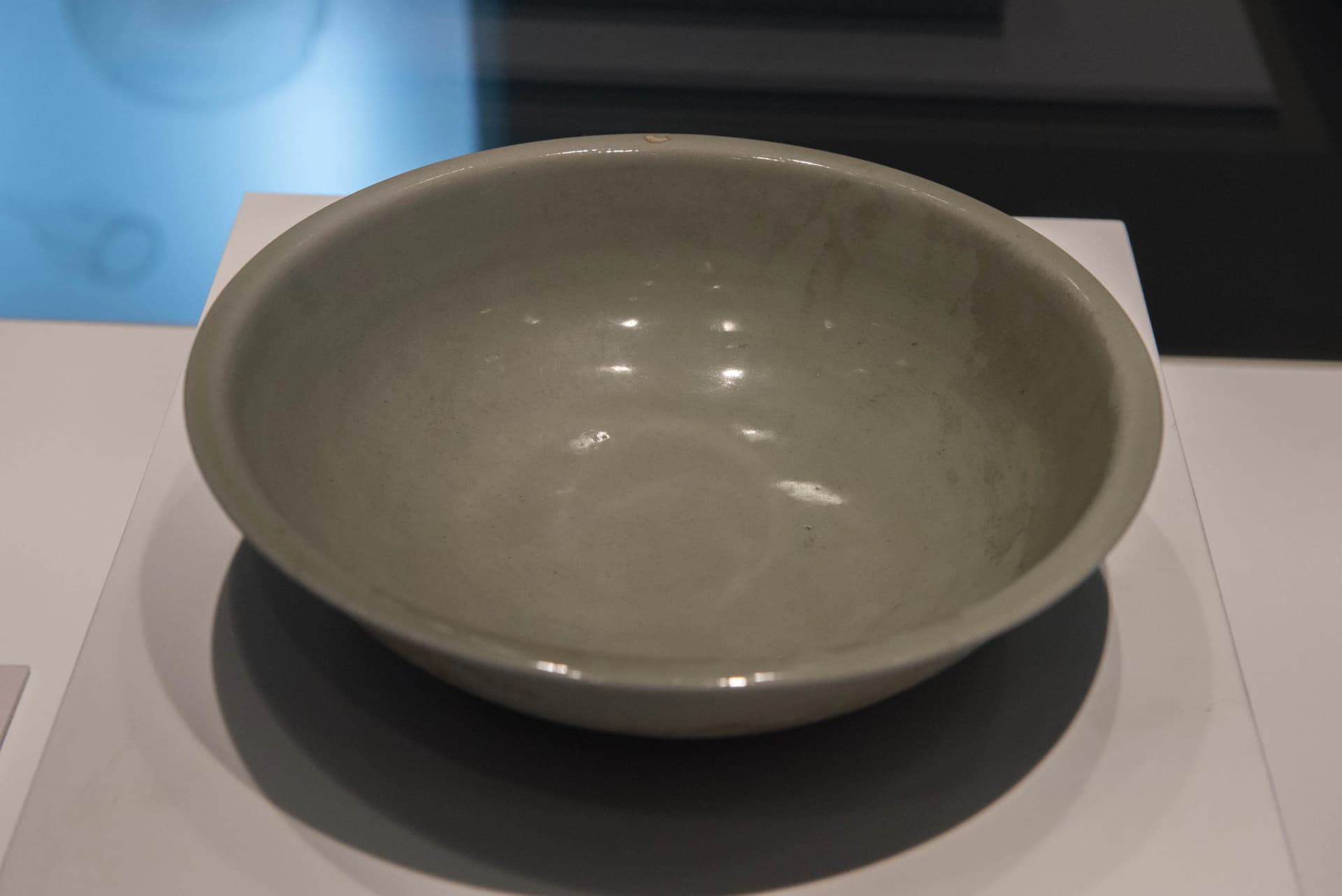
Photo: Siyuwj · Source · CC BY-SA 4.0
The art before the relic story
The museum works best when the relic story doesn't overwhelm the objects. Look at how nested reliquaries, ceramics, textiles and metalwork expressed court patronage, ritual hierarchy and long-distance cultural exchange. A quiet, selective visit reveals more than racing toward one famous display.
Public veneration of the Buddha finger relic is not an ordinary daily event. It happens only when a current, dated official notice announces it; admission or a tour headline doesn't mean it is on.
Four stops inside the museum
Give the museum around 90 minutes as a starting budget, and longer if you want detailed interpretation. Follow the gallery sequence, and use these subjects to decide where to slow down:
- Eightfold reliquary containers (八重宝函): see how one container fitted inside another. The reconstruction and labels explain the original nesting; surviving components may be displayed separately or on loan elsewhere.
- Secret-colour ceramics (秘色瓷): compare the restrained surfaces and vessel shapes with the richly worked metal objects. The contrast is more revealing than trying to identify a “secret” from colour alone.
- The twelve-ring ritual staff (十二环锡杖): look from the overall silhouette to the rings and fine metalwork. It gives the collection a different scale from the small containers.
- The underground-palace reconstruction: return to the discovery story and connect the objects with their recorded setting. The reconstructed room explains the archaeology, but it isn't the original crypt.
If an object is missing, read its interpretation and choose another piece from the same group. Finish the collection before deciding whether the long monumental precinct is worth the extra walking.
Getting there and entrances
Maps show the visitor centre, Famen Museum and religious temple as separate places, but they don't clearly identify the Museum East Gate or the Scenic Area South Gate. Navigate to the visitor centre, then follow the operator's current entrance instructions rather than an old map pin.
Famen Coach Station is 3.0 km / 7 minutes by road from the visitor centre and Fufeng Coach Station 8.4 km / 15 minutes. These figures don't confirm a departure or shuttle.
Tickets and internal transport
The 2026 official price was CNY 78 in peak season and CNY 58 off season, with optional internal transport at CNY 20 return / CNY 10 one way. Recheck the current season dates, open interiors and exact route before paying.
The booking instructions don't clearly explain checkout and redemption with an international passport. Carry your original passport and confirm staffed entry. Before buying, ask which open areas and transport services the ticket includes.
Where to start from: Fufeng, Baoji or Xi'an
A night in Fufeng or Famen allows a slower museum day and avoids adding a long return to the visit. Compare Fufeng hotels, then check the property's exact pin, international-guest acceptance, breakfast, luggage and route to the visitor centre.
Baoji South is about 88.7 km / 1 hour 7 minutes by road from the visitor centre and Xi'an North about 122.6 km / 1 hour 26 minutes. Use a coach with an issued ticket, a contracted transfer or a live road plan, never a direct bus you remember from before.
Visiting respectfully
Dress and behave respectfully where active worship is permitted. Keep voices low, follow photography signs and don't block offerings or ceremonies. Incense, blessings, performances and internal transport are optional unless your exact booking says otherwise.
Famen is worth the journey for the quality of its Tang material.