Tianxin Pavilion
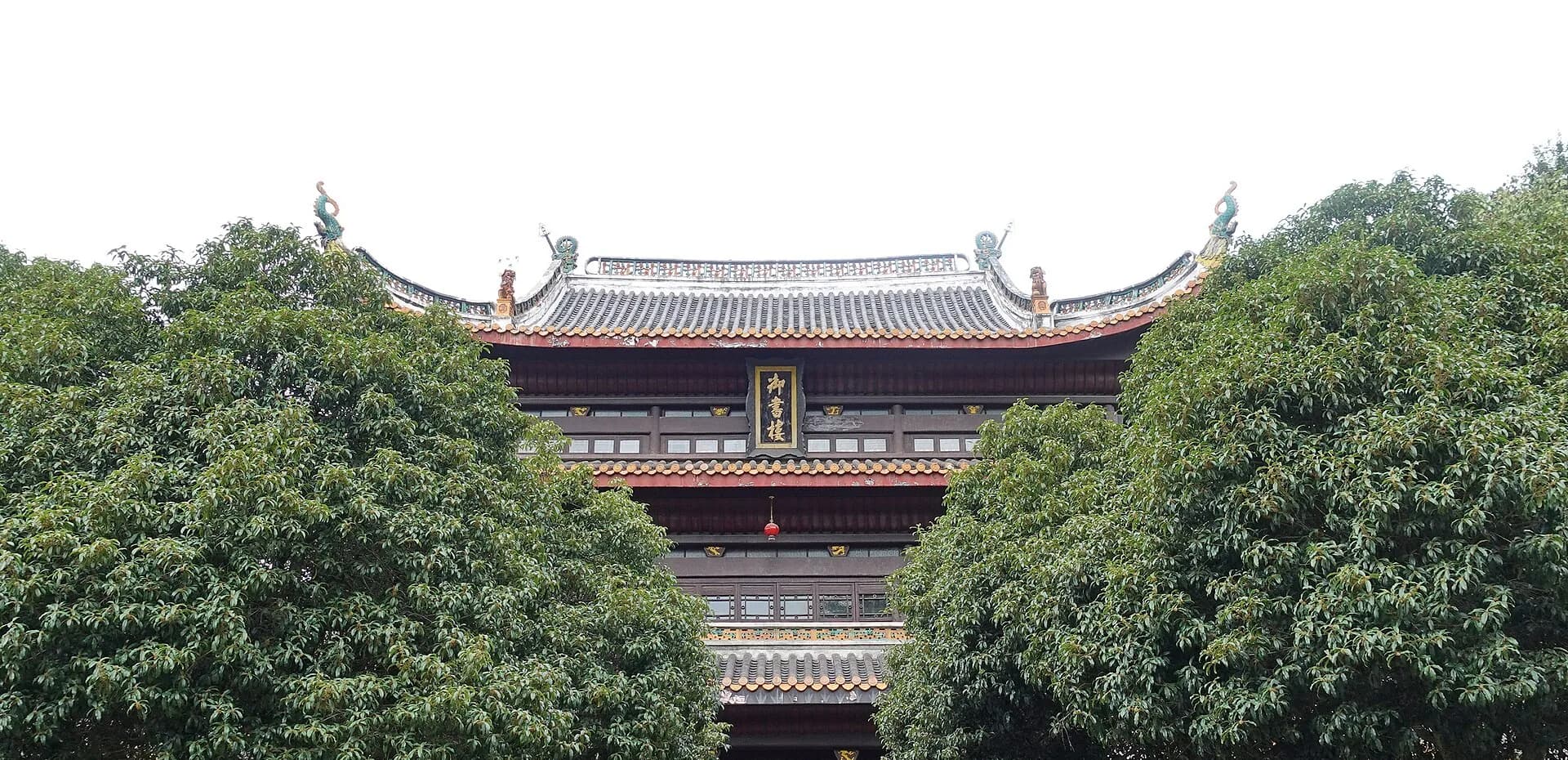
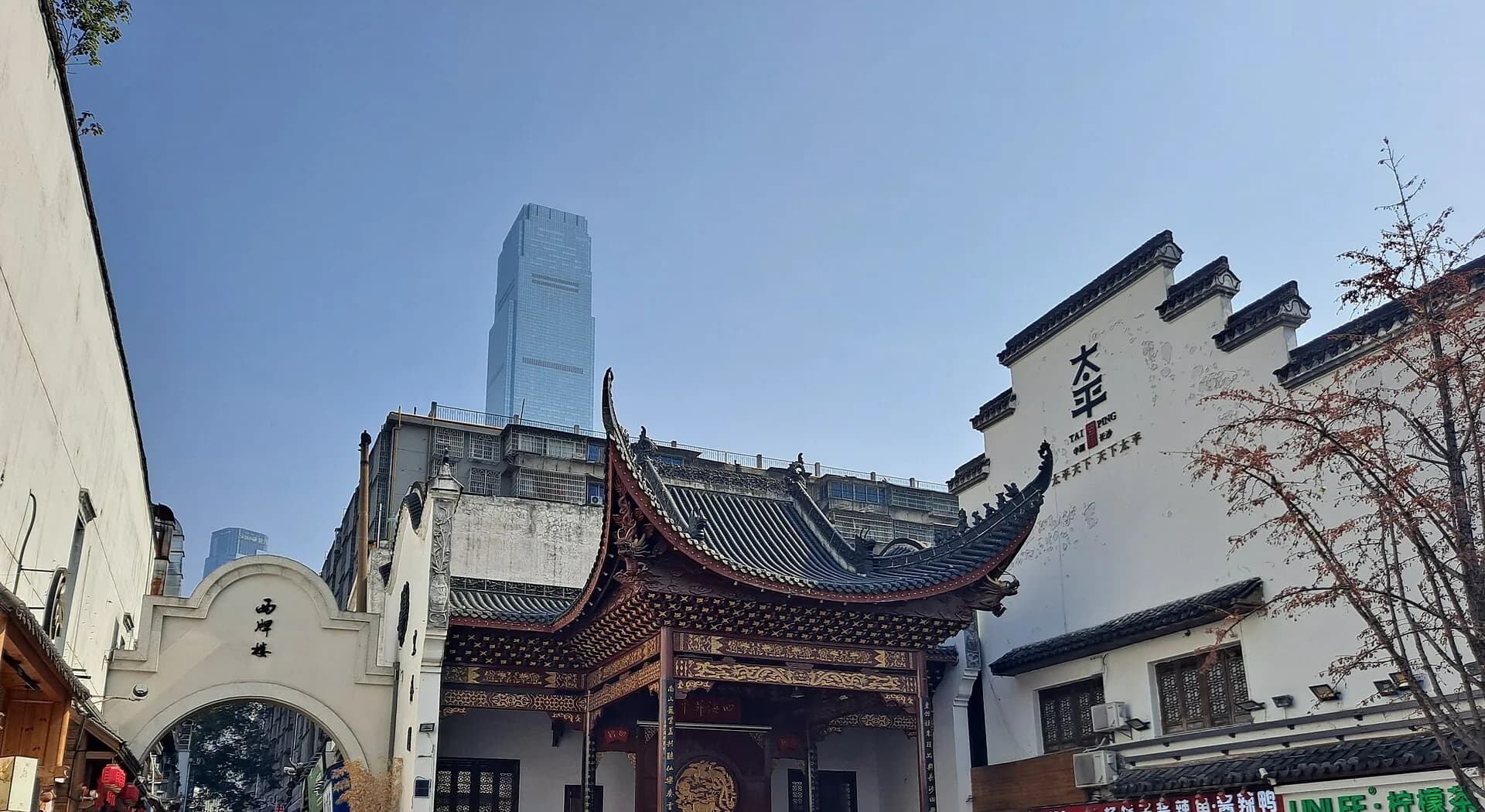
Tianxin is valuable because several historical layers occupy one compact setting: a public park, surviving old-city-wall fabric and memorial structures, a reconstructed or restored pavilion complex, and changing modern event or light installations. A useful visit separates those layers instead of calling everything an intact ancient tower.
Choose the free or paid visit
Choose the public park and wall setting for a short history stop. A recent visitor who skipped the paid tower still found the wall, memorials and exterior context worthwhile. That is a valid visit, not a failed version of the ticketed product.
Choose the paid pavilion core only if access to the structure and city view matters. A night product, special event or market is yet another layer. Current price, included areas, hours and passport handling need a live operator check; an old promotional price is not publishable today.
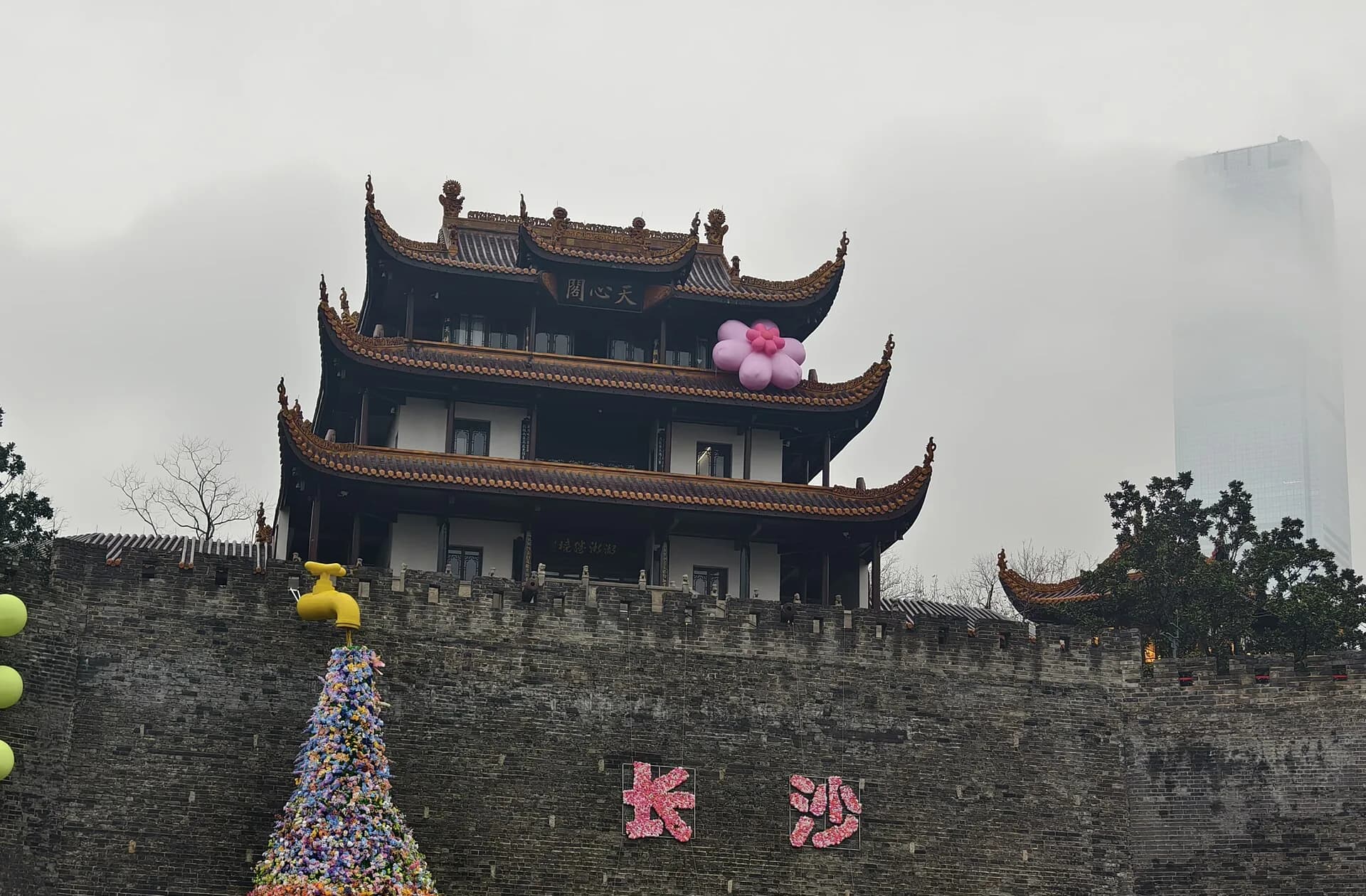
Flowers and event decorations change. Use the current interpretation and ticket signs to distinguish surviving masonry, later reconstruction and today's paid boundary.
Tell the history in layers
Describe the visible complex as a sequence of periods rather than one unchanged 2,000-year-old building. Distinguish the surviving wall and historic setting from later restoration or reconstruction, memorial uses and the modern light-park layer. Enjoy the skyline while reading roofs and installations through the current interpretation.
Historical interpretation should explain what remains, what was rebuilt and how the site functions now. If the live exhibition or signage cannot support a precise date for one element, avoid assigning it.
Check the Monday boundary
The operator's last detailed visitor notice separates public areas from the wall-and-pavilion core and schedules Monday maintenance for the core. This means part of the park can remain usable while the main paid object is closed. Check the current notice for the exact date, especially around holidays and night events.
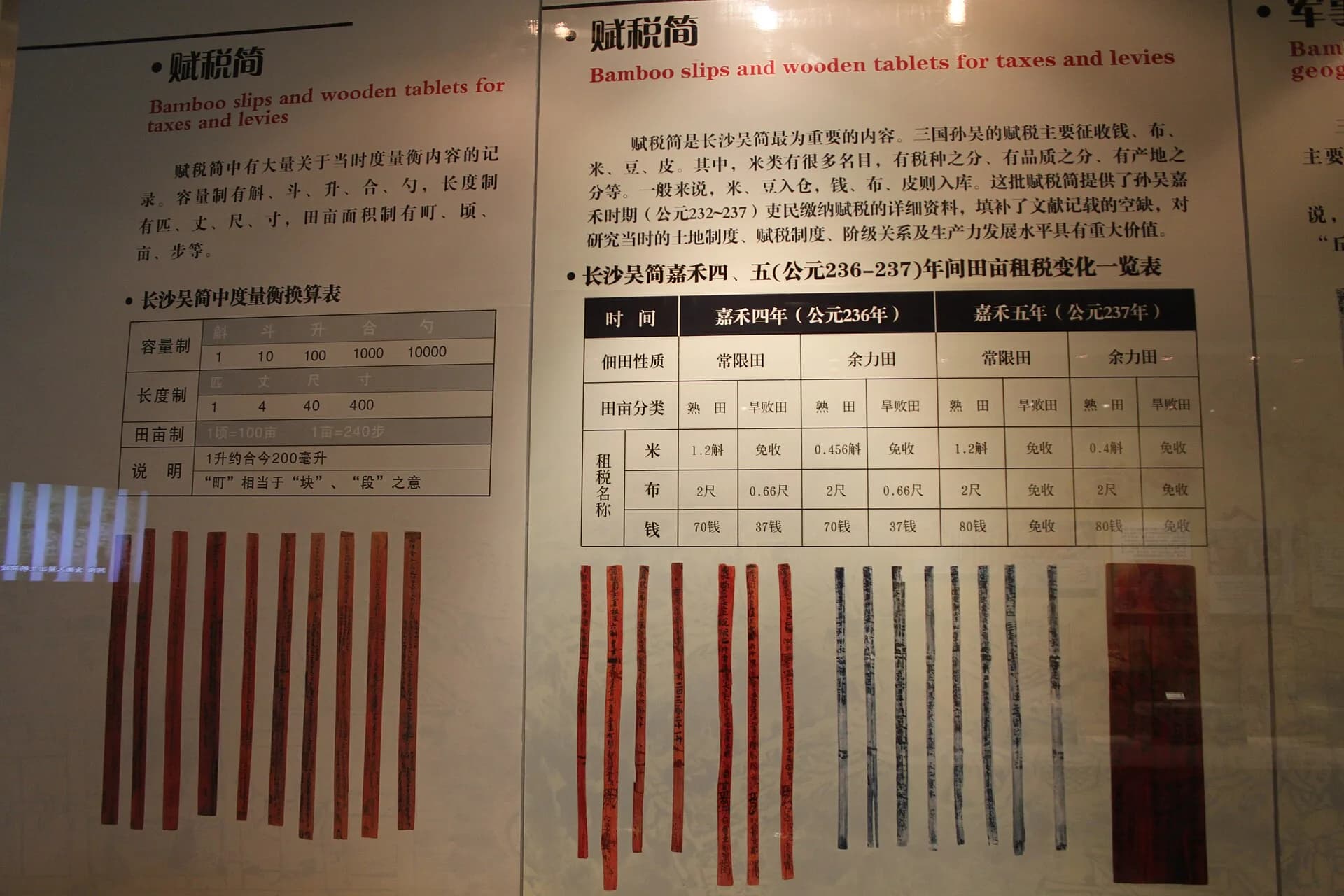
Do not infer Tuesday closure from nearby museums. The Changsha Bamboo Slips Museum normally closes Tuesday, creating a useful but non-obvious scheduling contrast.
Pair it with the Bamboo Slips Museum
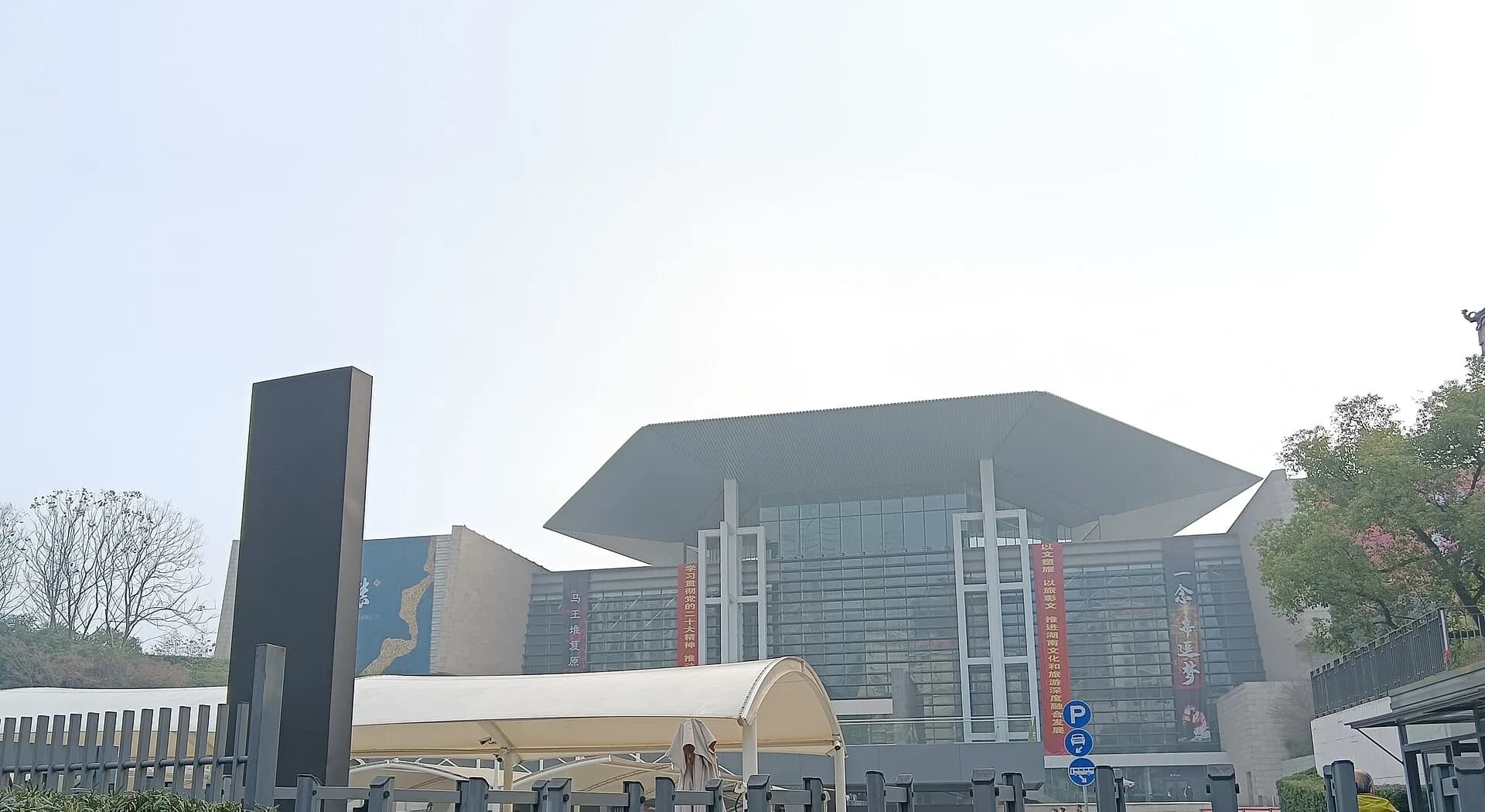
AMap places Changsha Bamboo Slips Museum about 0.4 km / 5 minutes on foot from Tianxin Pavilion. Pair them only when both calendars align, and use live navigation for the exact gates, surfaces and step-free connection. Otherwise, treat the park as a compact stand-alone stop.
Final verdict
The free park and wall context can justify the visit on their own. Pay for the pavilion or night programme only after checking the live boundary, and read the site as a sequence of surviving, rebuilt and contemporary layers.