Shibanyan
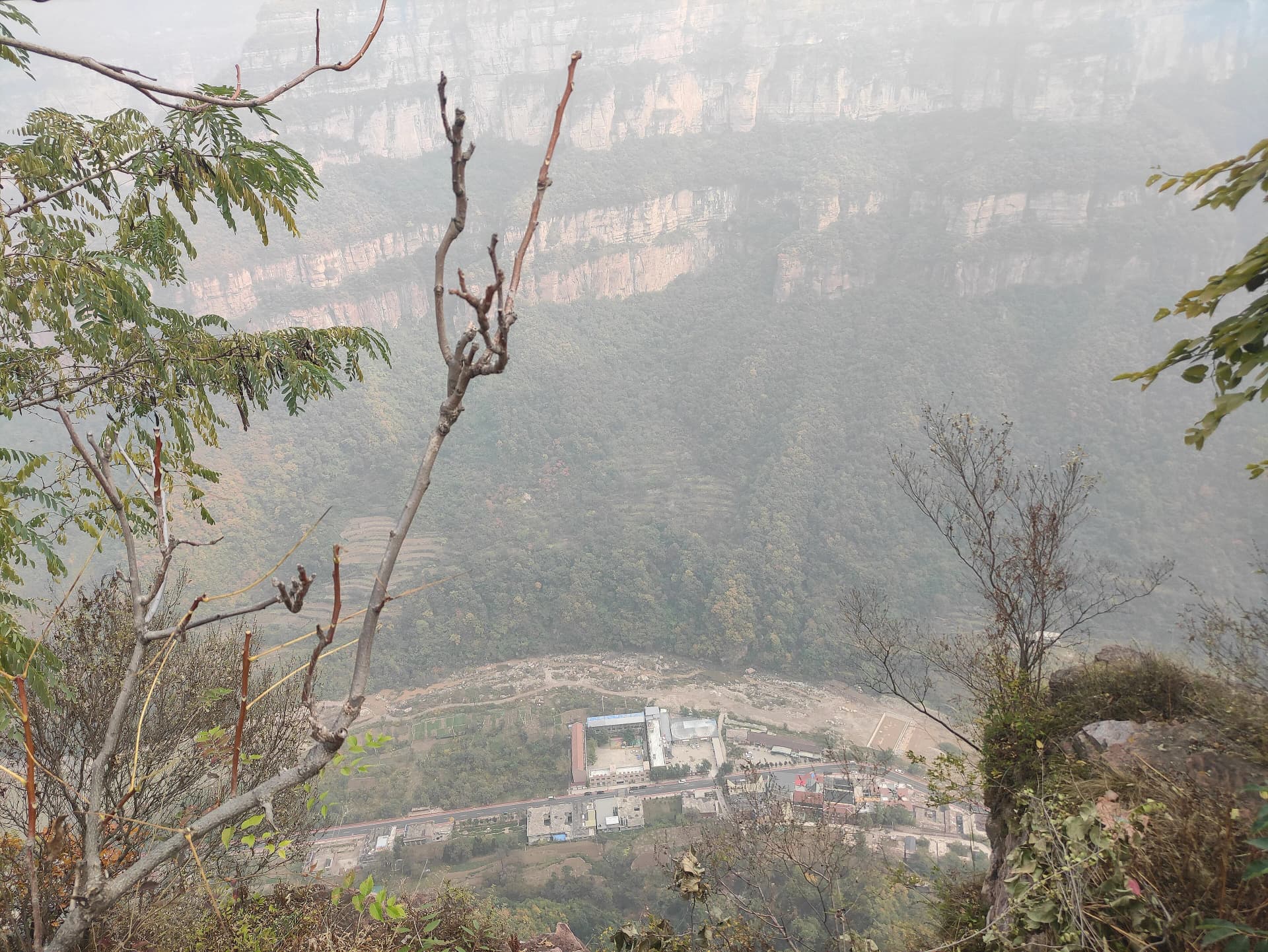
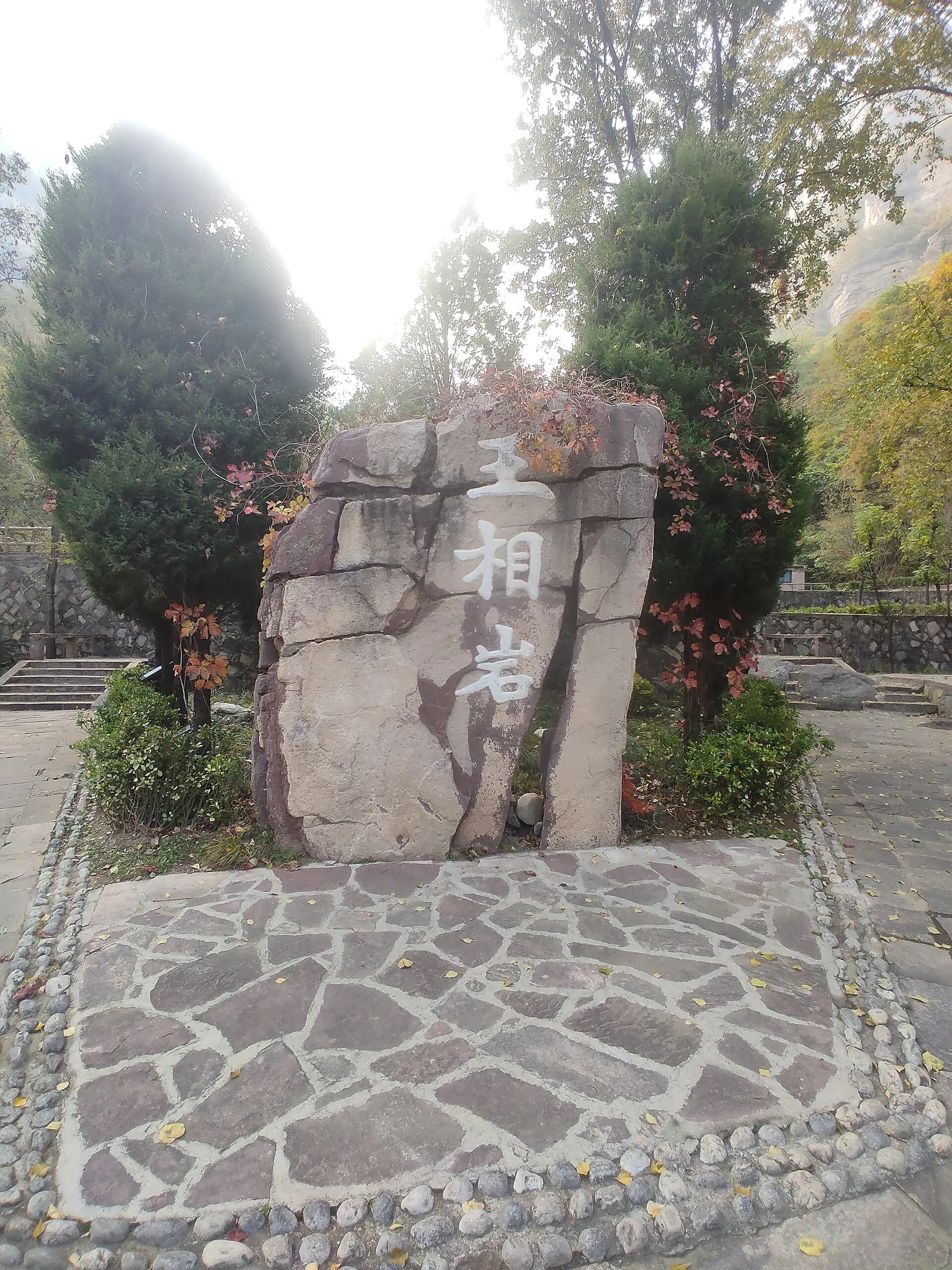
Shibanyan (石板岩) is the practical settlement cluster inside Linzhou's Taihang mountain corridor. Its stone houses, river edges, guesthouses and food make it useful before an early canyon start, but “Shibanyan” can mean the central town, a roadside property or a smaller village many bends away. The best stay is the one that solves tomorrow's gate and tonight's parking—not necessarily the property with the widest mountain photo.
Decide whether to sleep here
- Stay one night if you have a morning ticket for Peach Blossom Valley or another canyon sector, want an unhurried evening, and can arrive before dark.
- Use central Linzhou instead if rain or winter road conditions are uncertain, you depend on public transport, or you need predictable restaurants and hotel acceptance.
- Visit without staying for a short public-lane walk and meal while moving between canyon sectors. The central settlement is not a full-day attraction by itself.
Recent visitor reports repeatedly describe peak-hour congestion in and around the central town—even on a Thursday—and harder parking toward smaller art villages. They also show why map distance is misleading: a one-kilometre label may still involve narrow access, stairs or a crowded riverfront.
A location-first lodging checklist
Before booking, ask the property to send its exact map pin and answer five questions: which scenic gate it serves, whether the final approach accepts normal cars, where parking is guaranteed, how many stairs reach the room, and whether it accepts your passport. Add heating in winter, air-conditioning in summer, breakfast time, evening meals and pickup after dark.
Compare current Linzhou and Shibanyan stays on Trip.com, then verify the property's township or village name instead of relying on “near Taihang Grand Canyon.” Do not infer that a hotel listing includes scenic admission or shuttle transport.
A respectful short walk
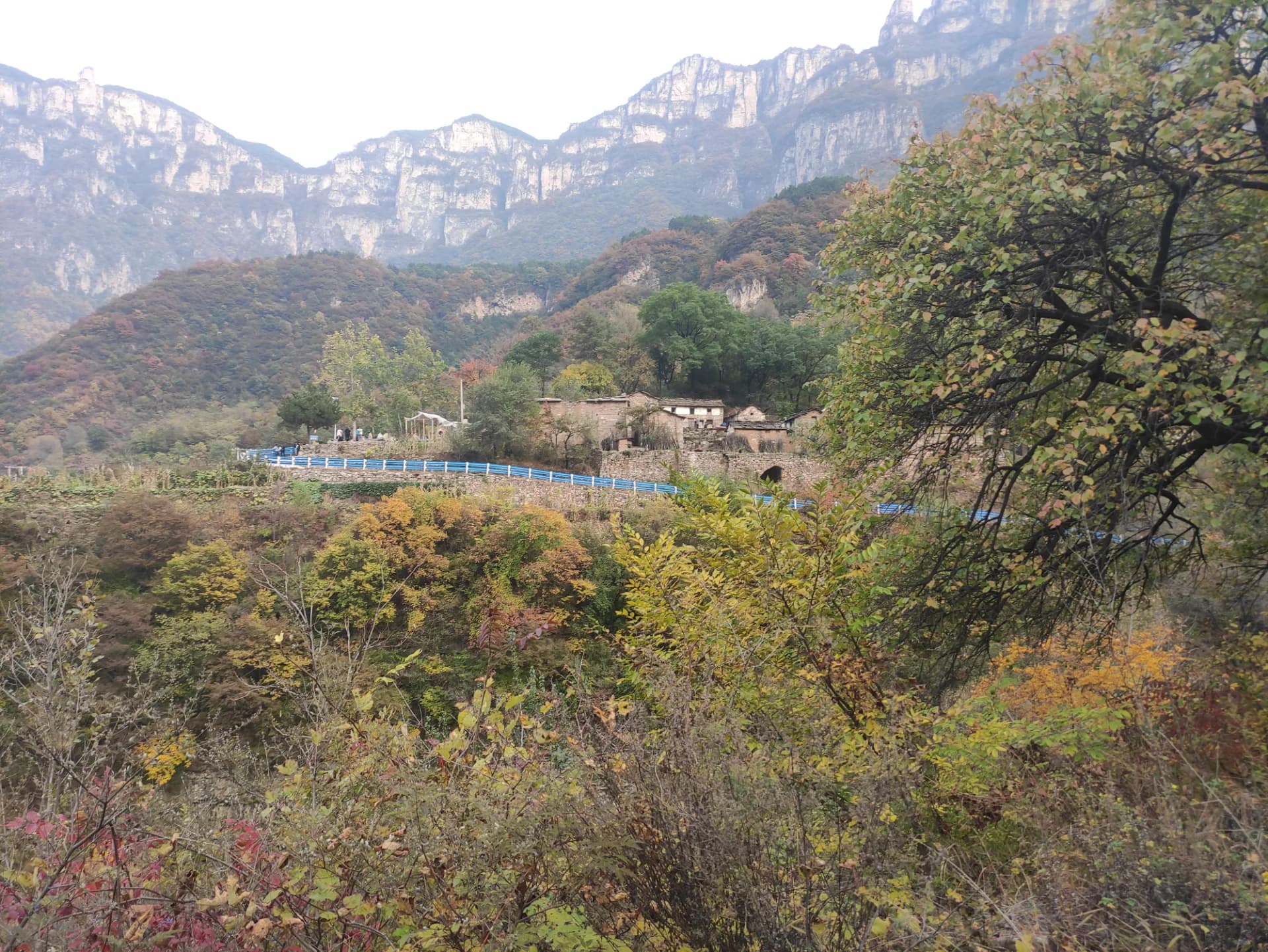
Use public lanes around the town centre or a documented nearby village, observe how slab roofs, rough masonry, courtyards and steep terrain fit together, then stop for a meal. Daniudao, shown here, is a small settlement within Shibanyan township rather than the central town; it illustrates the local building fabric without pretending that every courtyard is a public exhibit.
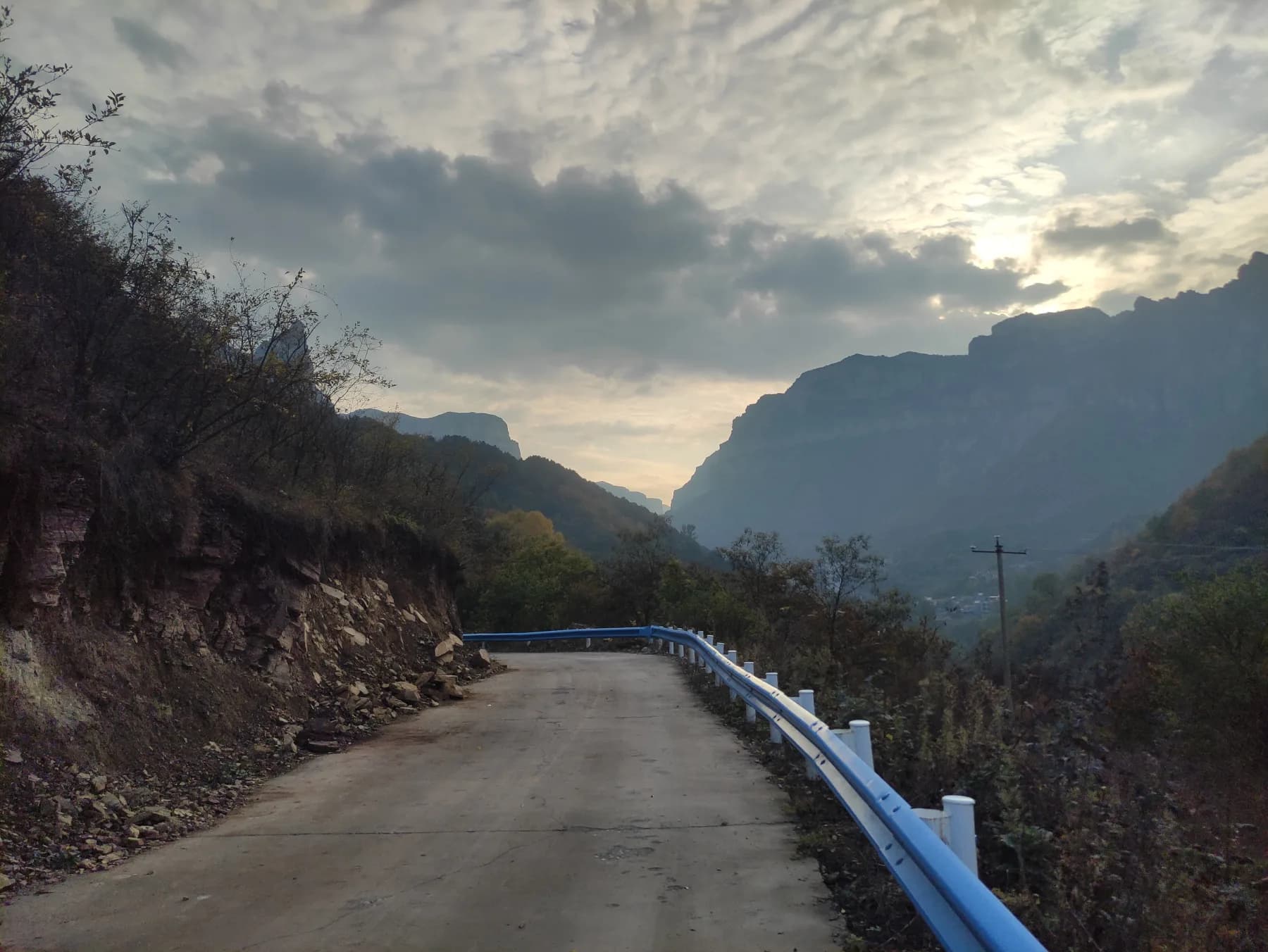
Photo: Ngguls · Source · CC BY-SA 4.0
Keep voices low near homes, ask before photographing people, and never enter a courtyard because a door is open. Art students and tour groups are part of the contemporary economy but can crowd lanes seasonally. Buy food or crafts from transparent businesses; avoid treating residents' daily life as a staged attraction.
Traffic, rain and phone signal
Arrive before the dinner rush and park once. If your guesthouse suggests an electric scooter, confirm license, helmet, insurance, battery condition and whether the exact mountain road permits it; a visitor recommendation is not a safety guarantee. Mountain bends, oncoming traffic and weak signal make night riding a poor default.
Download an offline map, keep the accommodation's phone number in Chinese, and do not drive into the canyon during a heavy-rain or flash-flood warning. A 2026 Linzhou government review still identifies mountain-road, winter heating and emergency-response improvements as active work. Official closure or evacuation orders override a hotel booking.
Build the next morning backwards
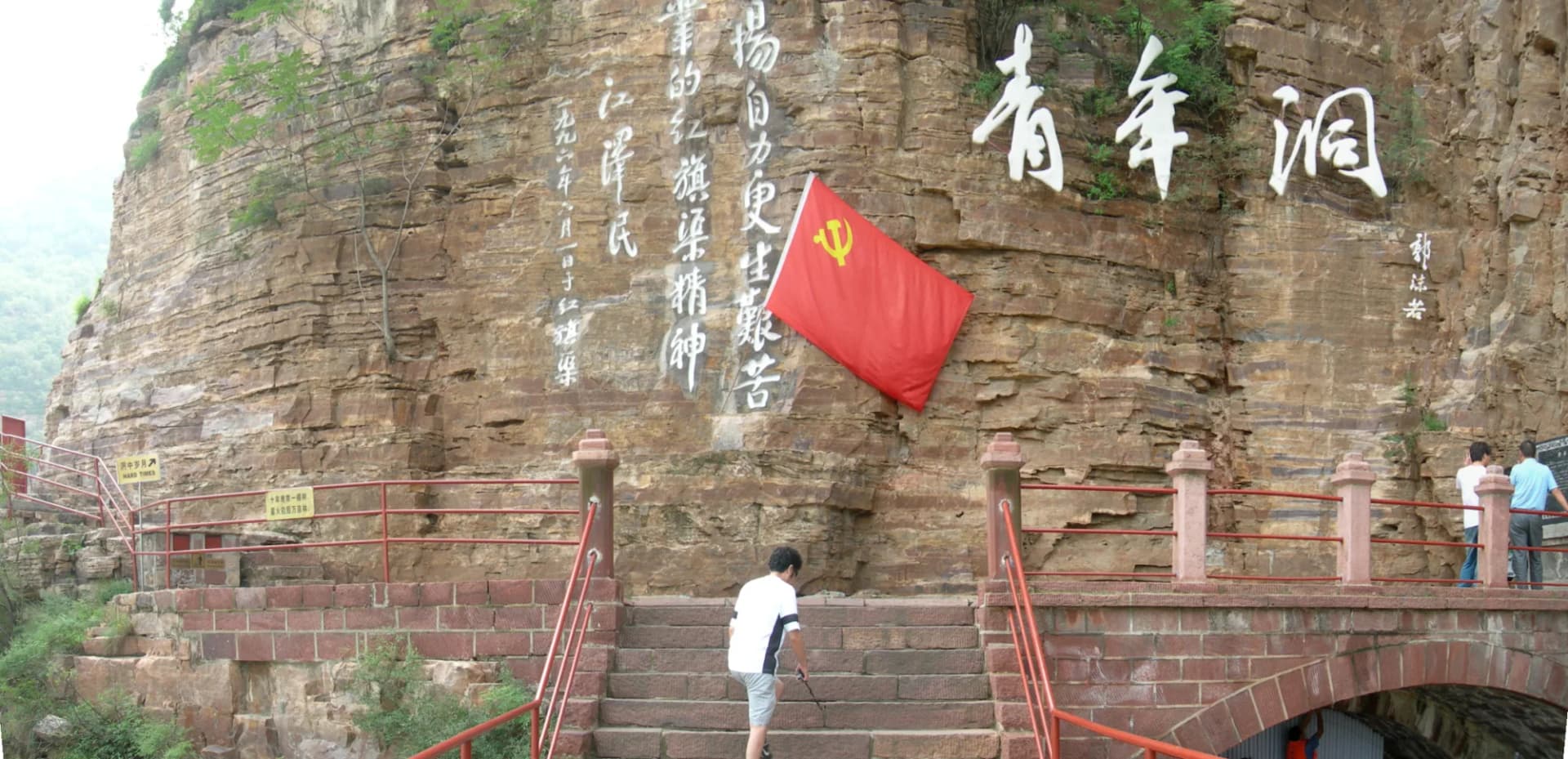
Confirm the scenic gate, ticket window and shuttle first, then set breakfast and departure. For Peach Blossom Valley and Taihang Sky Road, a verified canyon product is more useful than a vague “nearby” promise. Put Red Flag Canal on a separate road block unless your driver has explicitly connected the two.
Return to the Linzhou guide for the full base and canyon strategy.