Snow Town Winter Photography Planner
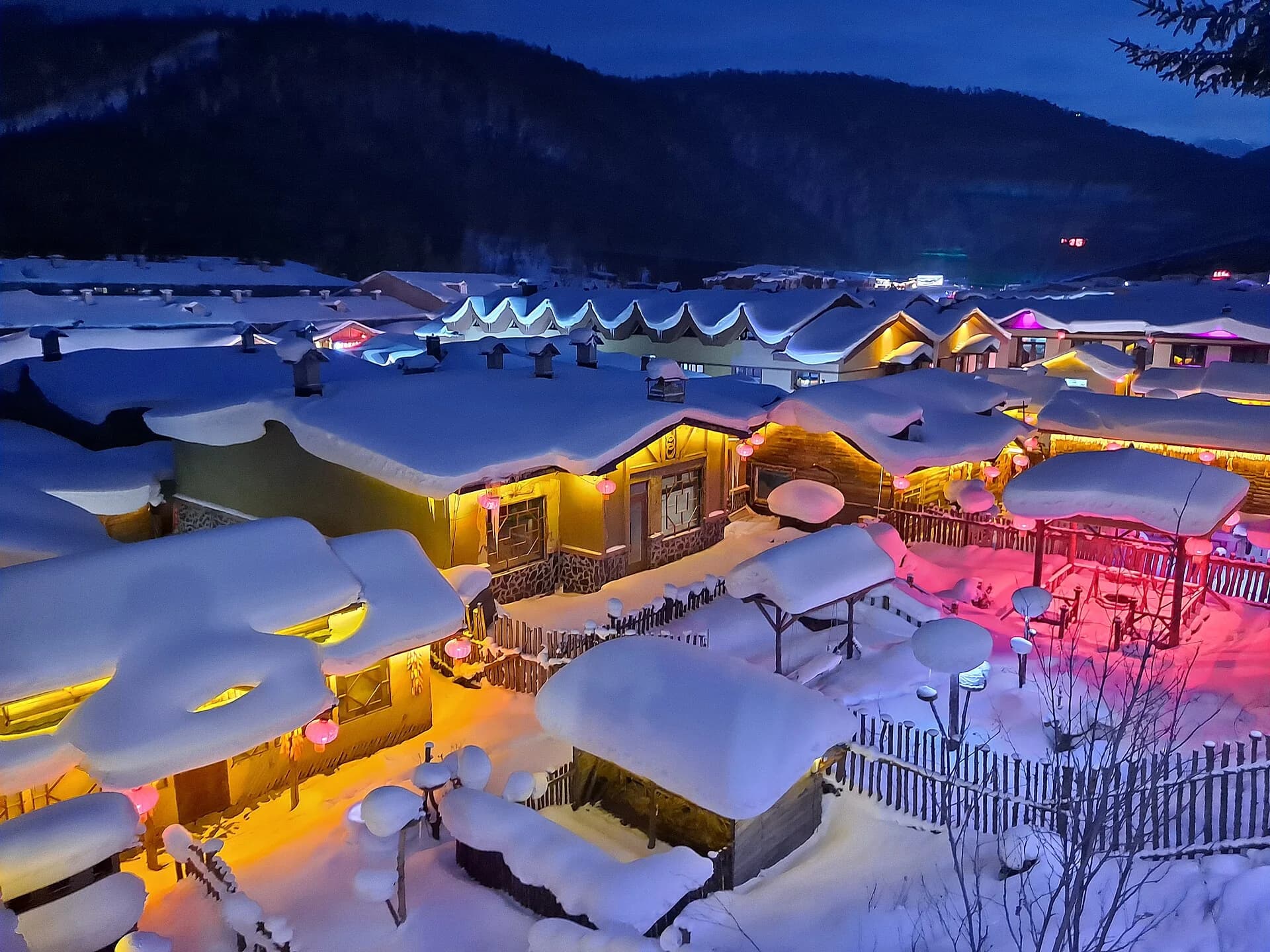
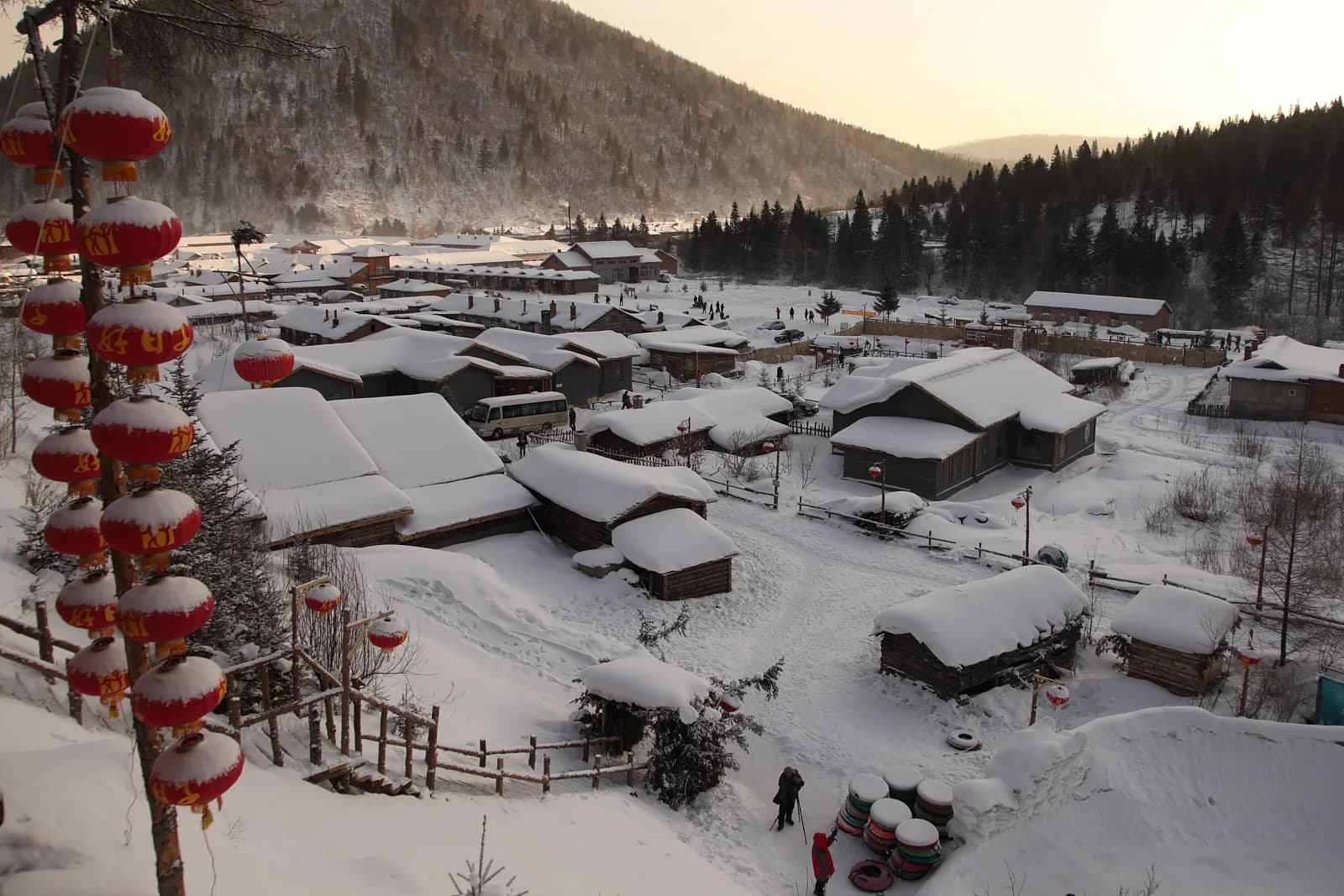
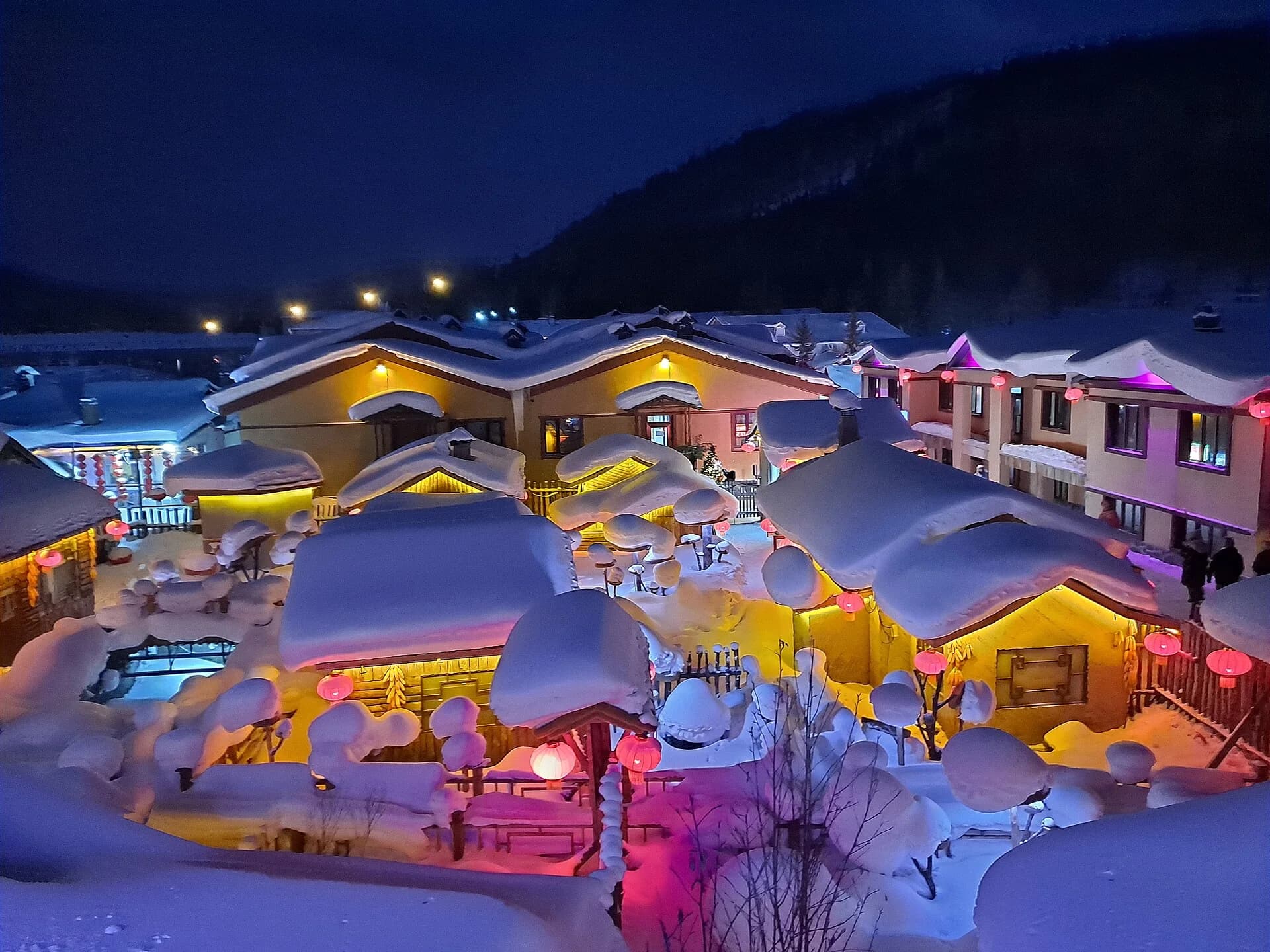
Snow Town’s strongest photographs come from a simple contrast: white, rounded roof snow by day and warm lanterns after dusk. Build your visit around that change rather than a long list of paid photo settings. The main street, 雪韵大街 (Xuěyùn Dàjiē), and the open hillside viewpoints give you different scales of the same village.
Scout once, photograph twice
On arrival, take a daylight walk along the main street. Look for a view showing the curve of a snow-covered roof, then a wider scene with houses overlapping. Identify a permitted place to stand without obstructing shop entrances or pedestrian flow. This first walk is also the time to locate your route back to the accommodation or agreed pickup.
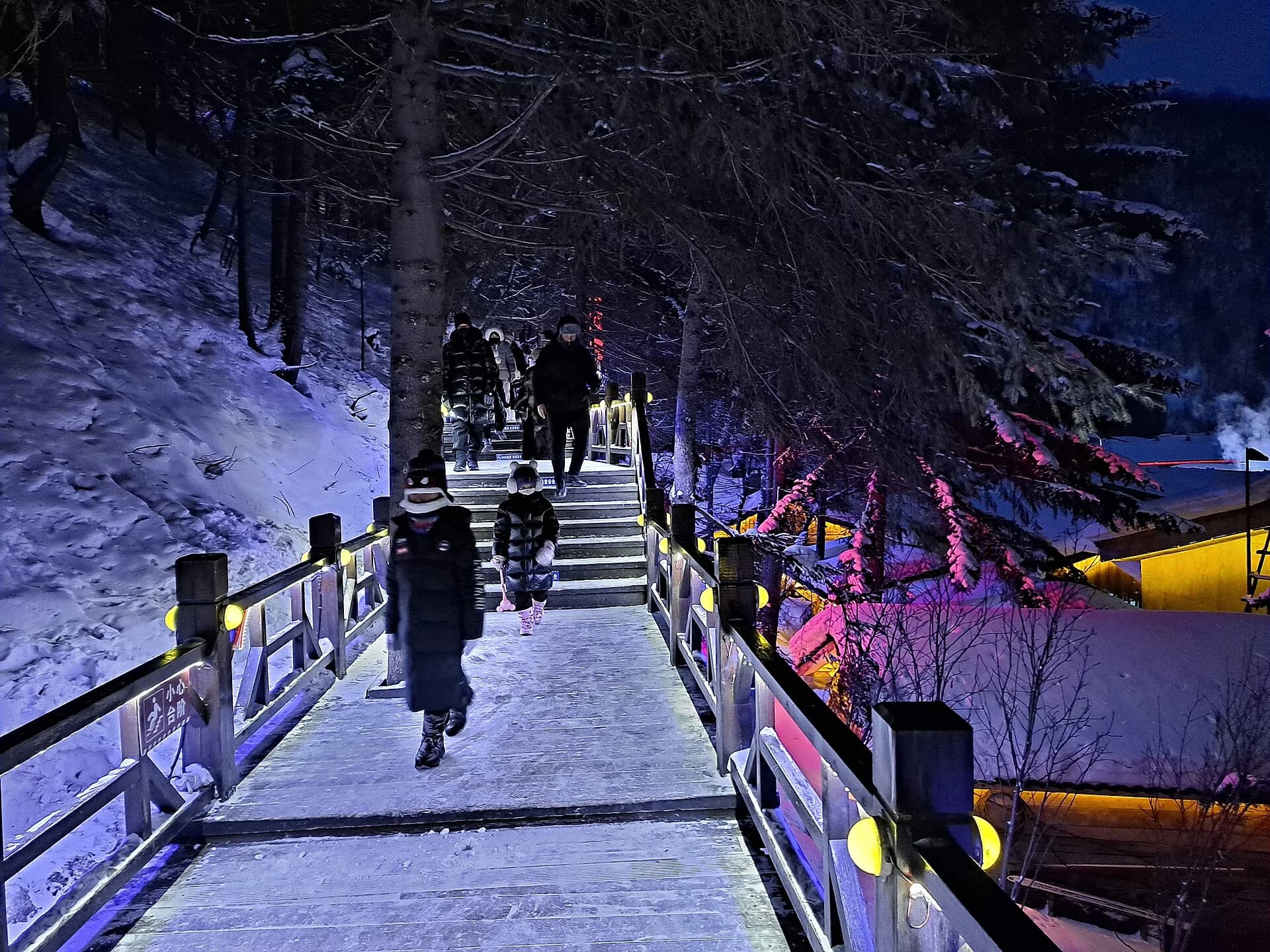
For the wider view, follow the signed viewing boardwalk. Use the first open platform with a clear composition; higher ground can put trees between you and the houses. You do not need to climb every available section to tell the story of the village.
Return to a chosen view around dusk if the route is open. Photograph while the sky still holds color, then make one street-level pass after the lanterns are visible. The same scene in two kinds of light is often more rewarding than paying for another enclosure with similar roofs. Keep any show or fireworks as a bonus: do not make an unconfirmed program the reason to hold your transport.
Choose your visit around the light you want
Day visitor: protect a daylight arrival and agree your departure before starting. Roadside stops can consume the very afternoon you hoped to spend in the village. If the vehicle leaves before dusk, concentrate on snow texture and roof shapes rather than trying to fit in a rushed night session.
Overnight visitor: split photography into an afternoon scout, a short dusk outing and, if conditions suit, a morning return. Use the gaps for food and indoor rest. Morning is another opportunity for a quieter composition, not a guarantee of fresh snowfall or empty paths. The overnight planner explains how to keep these windows separate from the transfer day.
Keep the outing manageable
Choose a small set of views before taking gloves off. Carry spare batteries warm and place cold equipment in a sealed bag before entering a warm, humid room to reduce condensation. End each session while you can still manage the return comfortably; waiting motionless for an empty frame can be colder than walking.
A phone usually needs the same discipline as a camera. Keep it inside an inner pocket, compose before exposing your hands and avoid repeated long video takes when the battery is already cold. A small cloth helps with melting snow on a lens; wiping with a wet glove generally makes the problem worse.
For a camera, begin with one lens that covers your planned view. Changing lenses in blowing snow or a crowded boardwalk adds risk without necessarily improving the story. A compact tripod is useful only where staff permit it and where its legs do not narrow the pedestrian route. Handheld images at blue hour are preferable to blocking stairs for a long exposure.
Photograph from open public paths and signed platforms. Ask before photographing identifiable residents or interiors, and leave room for others to pass. A paid courtyard is an optional composition choice; confirm its price and access before entering. Never climb onto a roof, cross a barrier for untouched snow, or use a drone unless current rules explicitly permit it.
Build a six-frame story
If choice becomes overwhelming, make six photographs: a broad daylight street, one roof-snow detail, a person at a respectful distance for scale, the village from an open boardwalk platform, the same area at blue hour, and one warm-lit detail after dark. That sequence records place and changing light without demanding every paid set or every corner of the village.
Snowfall is not guaranteed during your stay, and heavy falling snow can obscure the panorama you expected. Use it for close details and movement rather than waiting indefinitely for visibility. Likewise, newly cleared roofs, safety work or a closed platform are operating realities, not reasons to cross a boundary.
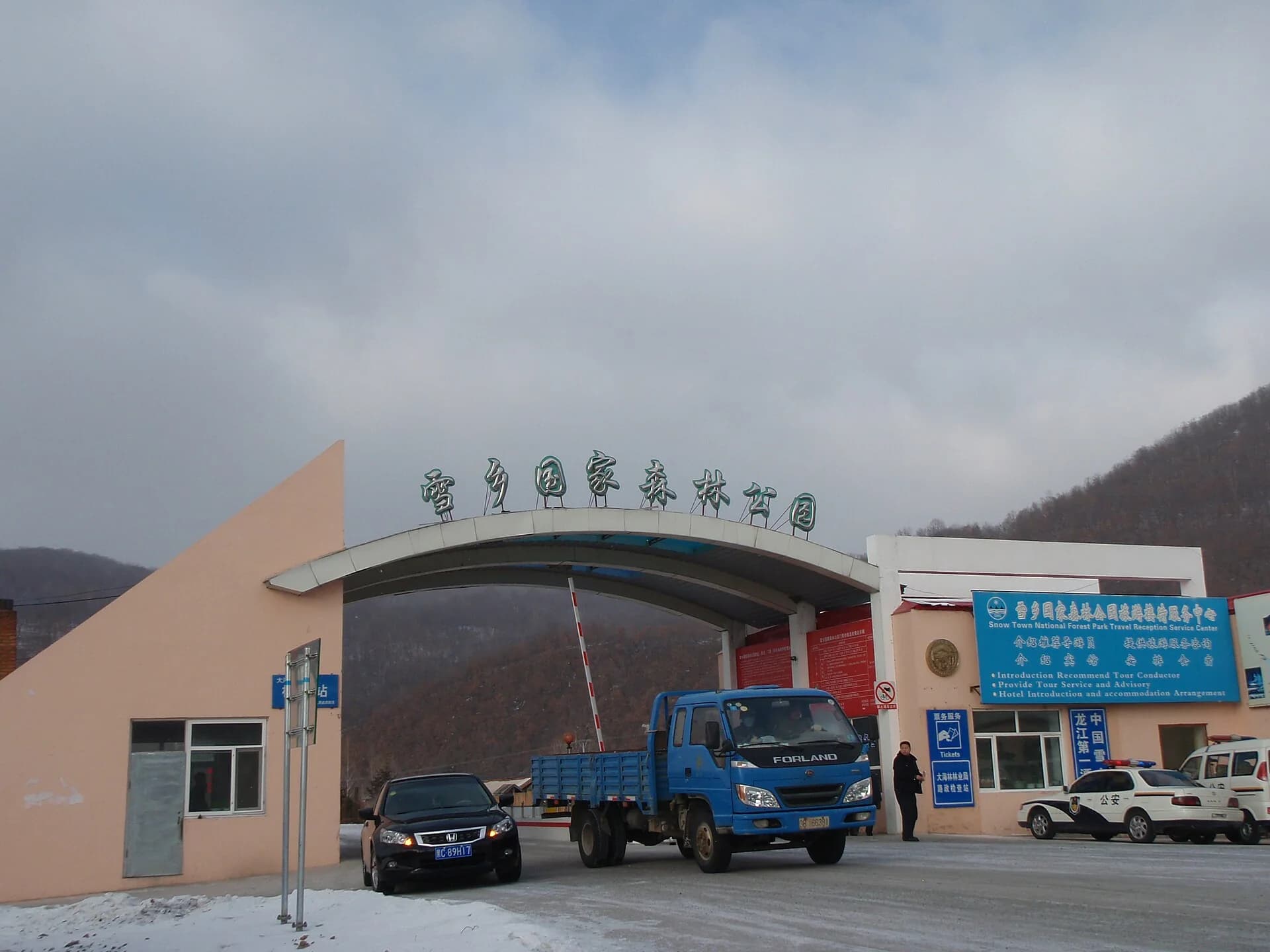
Plan only after the winter opening is confirmed. The last season’s official closing notice ended operations on 4 March 2026; last winter’s lighting times do not establish the next season’s schedule.