Xuwen–Haikou Ferry
The Qiongzhou Strait sailing is often around 90 minutes, but the full Xuwen–Haikou journey includes terminal access, identity checks, vehicle queues, loading, unloading and onward transport. A recent traveler crossed smoothly in under three hours one way and spent about nine hours on the other. Those are personal experiences, not forecasts; the lesson is that sailing time and journey time are different numbers.
If you are driving, reservation comes first. An April 2026 Zhanjiang government notice states that vehicles must reserve through an official channel and that unreserved vehicles cannot enter the port. Book first, follow the terminal and check-in instructions attached to that sailing, and keep the rest of the day flexible.
Match the reservation to the right terminal
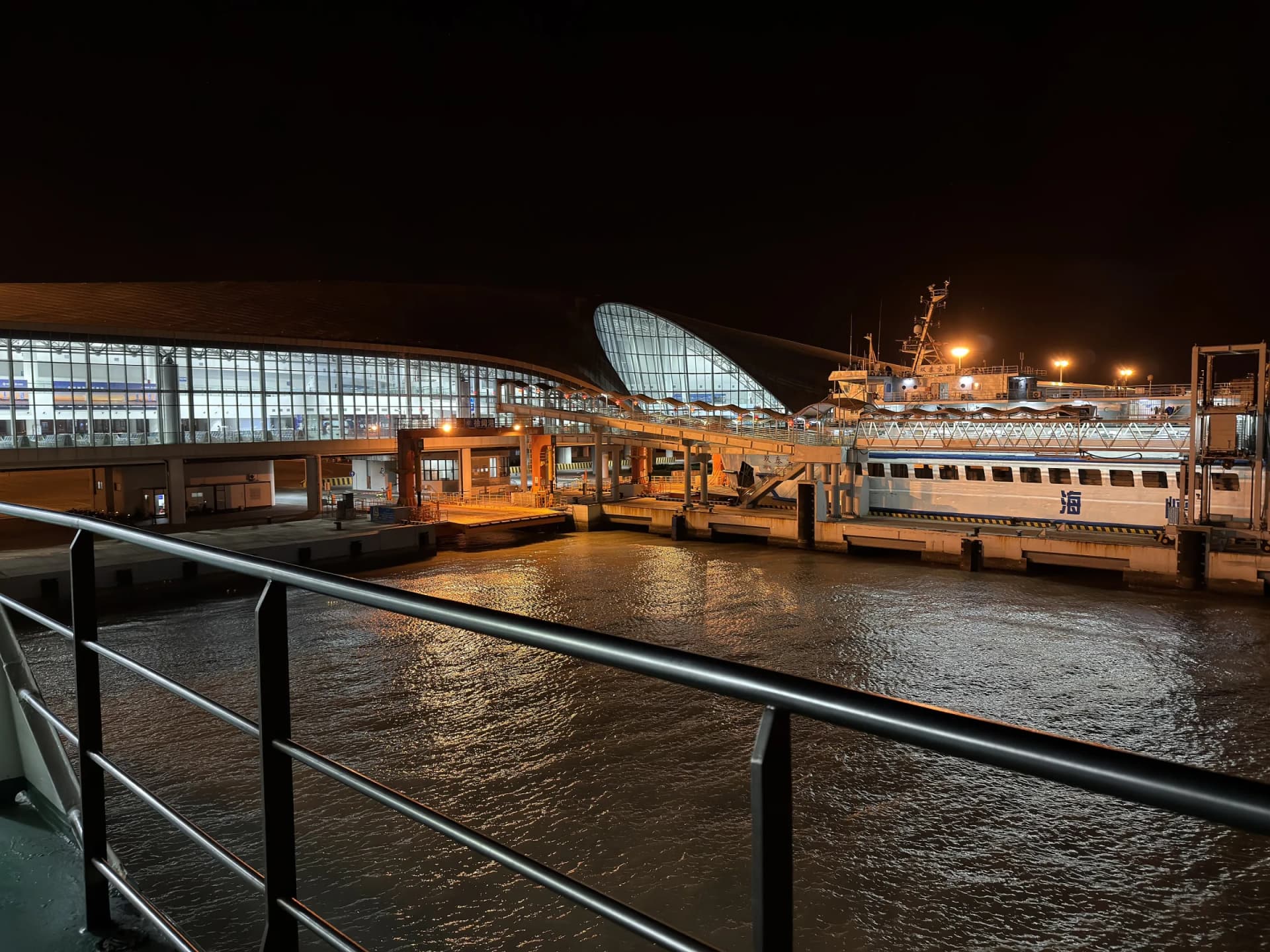
“Xuwen ferry” can mean several operating areas, including 徐闻港 (Xuwen Port), 海安新港 (Hai'an New Port) and the railway-ferry facilities at 铁路北港 (Railway North Port). The booking determines where you go; do not choose a terminal from an old blog or simply drive toward the nearest pin.
Save a screenshot of the Chinese terminal name and navigation address before leaving your hotel. Check the live sailing again that morning. For passenger-only travel, confirm both the departure terminal in Xuwen and the arrival port in Haikou before arranging taxis or a hotel transfer.
Names, passports and vehicle details must agree
The crossing uses real-name ticketing. Enter each traveler exactly as shown on the identity document accepted by the live system. Foreign visitors should use passport details and contact official support if the interface rejects the passport rather than substituting another number. The driver's identity, plate number, vehicle category and passenger list must match the reservation.
Rules can differ for petrol vehicles, new-energy vehicles, motorcycles and restricted or hazardous items. Recheck the current vehicle category and loading notice when you book; do not rely on a screenshot from another crossing.
During boarding, vehicle passengers may be directed to walk aboard separately while the driver remains with the car. Keep passports, phones, medication, water, a warm layer and valuables in a small bag that stays with you. Do not leave essentials locked in the vehicle deck.
Use the booked check-in rule, then protect the onward plan
The required arrival window is shown with the reservation and can change by period. Follow that instruction rather than arriving at an arbitrary time copied from an old festival notice. Leave additional road time for congestion, but understand that arriving extremely early does not guarantee early boarding.
After reaching Haikou, avoid a tight flight, rail departure or fixed tour. A weather hold or port queue can erase a carefully calculated connection. If the next booking is important, stay overnight in Haikou and travel onward the following morning.
For a pre-ferry night, sleep in Xuwen town or near the exact booked terminal, not merely near a place labelled “Xuwen Port.” Ask the hotel to verify the driving time to the named terminal.
Closures are not limited to typhoons
Strong wind, fog and typhoons can suspend the crossing, but official notices also document safety closures around fishing-season operations. Monitor Zhanjiang government and Qiongzhou Strait ferry notices before departure. Do not pay an unofficial agent who promises to jump a queue or override a closure.
If operations stop, keep a hotel fallback in Xuwen and wait for official resumption. The Zhanjiang government's August 2026 notice listed these service numbers:
- Xuwen to Haikou services: 0759-4663889
- Haikou to Xuwen services: 0898-9693666
- Railway-ferry North/South ports: 0898-31684464
Numbers and channels can change, so verify them against the newest official notice before relying on them.
One final routing rule
Do not add Dahan Sandun or another uncertain detour before check-in. Complete sightseeing the previous day, keep the passport and booking accessible, and let the reserved sailing—not a map estimate—set the day's schedule.