Kaiping Diaolou and Villages
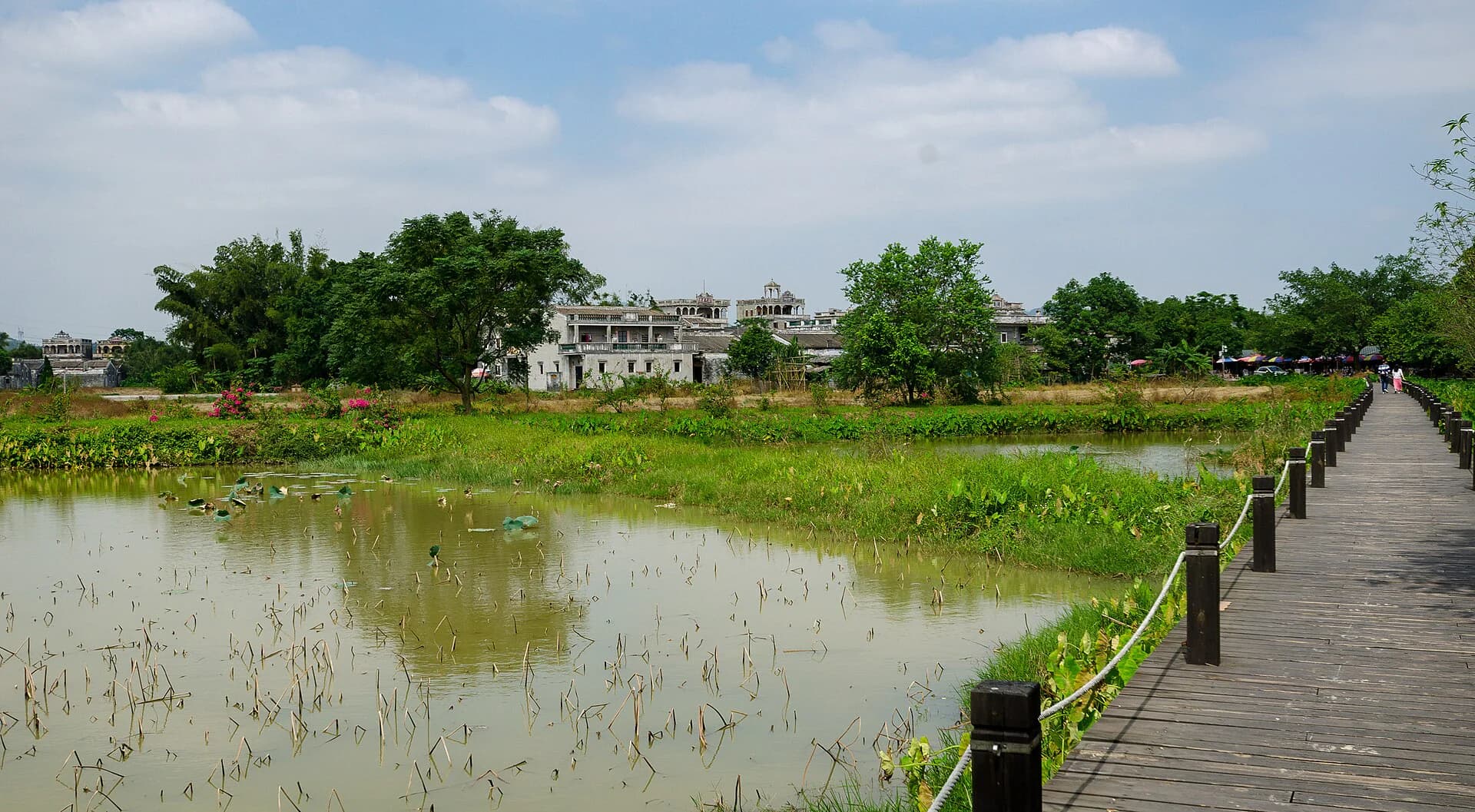
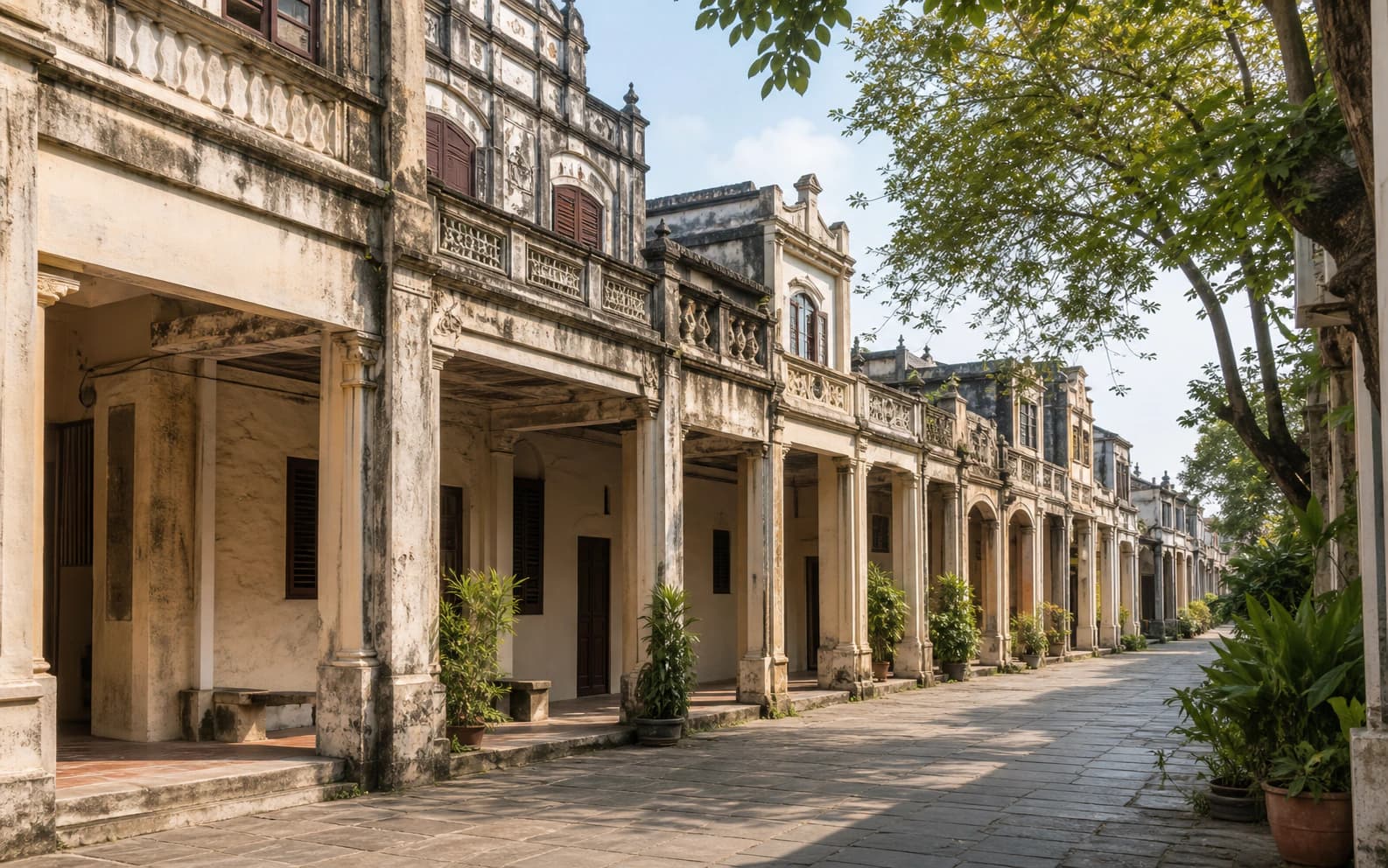
Kaiping Diaolou and Villages (开平碉楼与村落) makes migration history architectural. Families with overseas ties combined Chinese building traditions with Western structural and decorative ideas, creating fortified multi-storey towers among fields and living villages. A first visit is strongest when you read Zili's village-and-tower ensemble, then contrast it with the private estate and designed landscape of Li Garden.
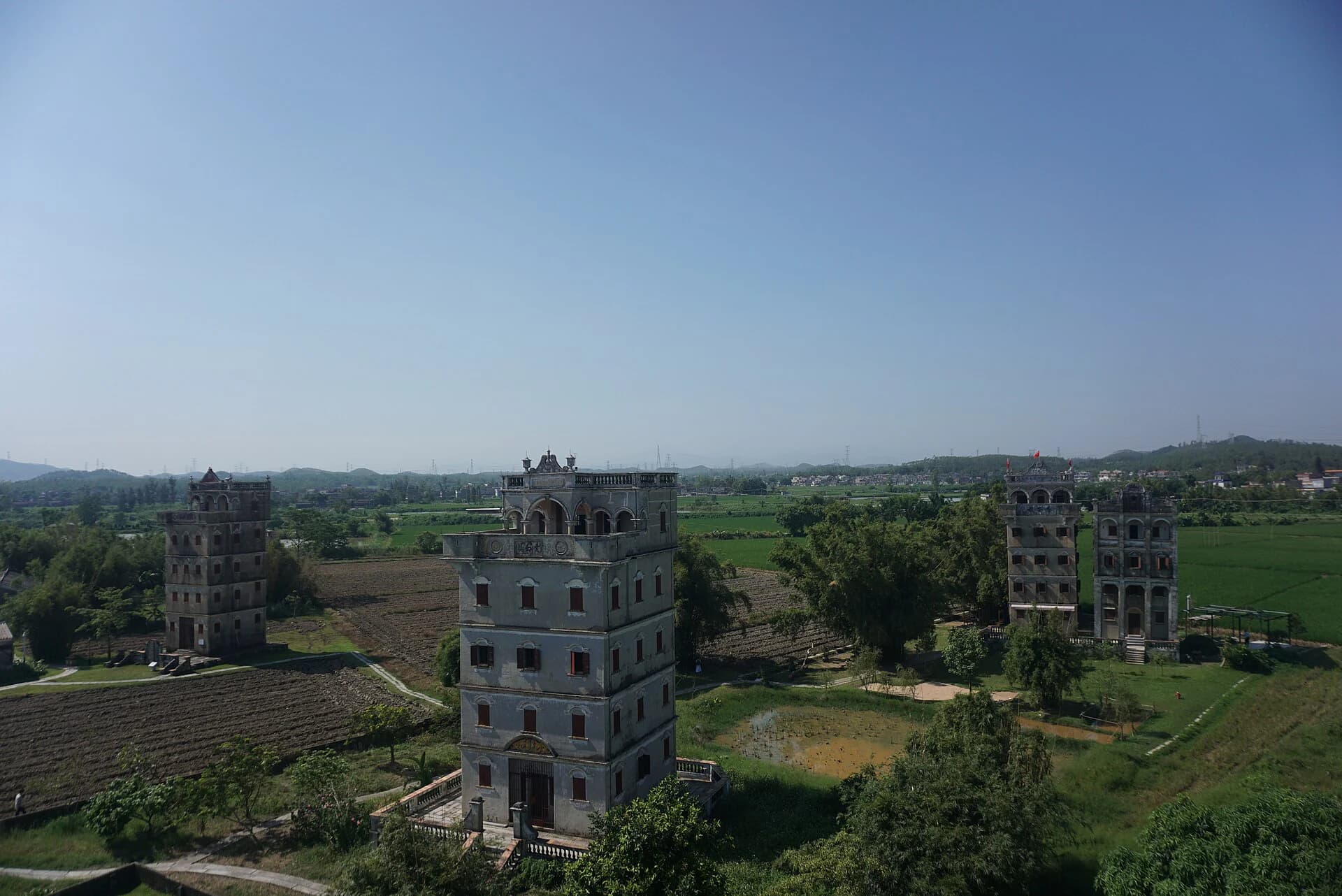
Photo: DragonSamYU · Source · CC BY-SA 4.0
The useful third choice is Majianglong for wooded village texture and ordinary rural context. It is not mandatory: the component groups and visitor areas are dispersed, so every extra stop needs a real road and return plan.
UNESCO property and 5A product: two different lists
The UNESCO World Heritage property is a serial property with four component groups:
| UNESCO component | Listed buildings in the property | What it contributes |
|---|---|---|
| Sanmenli Yinglong Lou | 1 | An early fortified-tower component in Chikan Town; not the managed Chikan resort |
| Zili Village and Fangshi Denglou | 21 | The clearest first-visit ensemble of fields, village houses and multiple diaolou |
| Majianglong Villages | 15 | A wooded multi-village component with towers integrated into rural landscape |
| Jinjiangli Village | 3 | A specialist completion component that includes Ruishi Lou, subject to current access |
The Kaiping Diaolou Cultural Tourism Zone, by contrast, is the managed 5A product formed by Zili Village, Majianglong and Li Garden. Li Garden is an important overseas-Chinese estate and garden, but it is not one of the four UNESCO components. Chikan Ancient Town is also a separate managed attraction, not a World Heritage component.
The strongest first day: Zili, then Li Garden
Zili: read the whole village before one tower
Begin at the current Zili visitor entrance and use the signed public route through fields and lanes. First look at how several towers relate to ordinary houses, ponds and cultivated land. Then choose the interiors currently open and spend interpretation time on why families combined defense, storage, residence and overseas design references in one vertical building.
Zili remains a living village. Stay on signed public paths, ask before photographing residents, and do not treat homes, fields or closed towers as exhibits. Current conservation work determines which interiors or rooftops are accessible; a UNESCO listing does not open every building.
Li Garden: change the scale and the social story
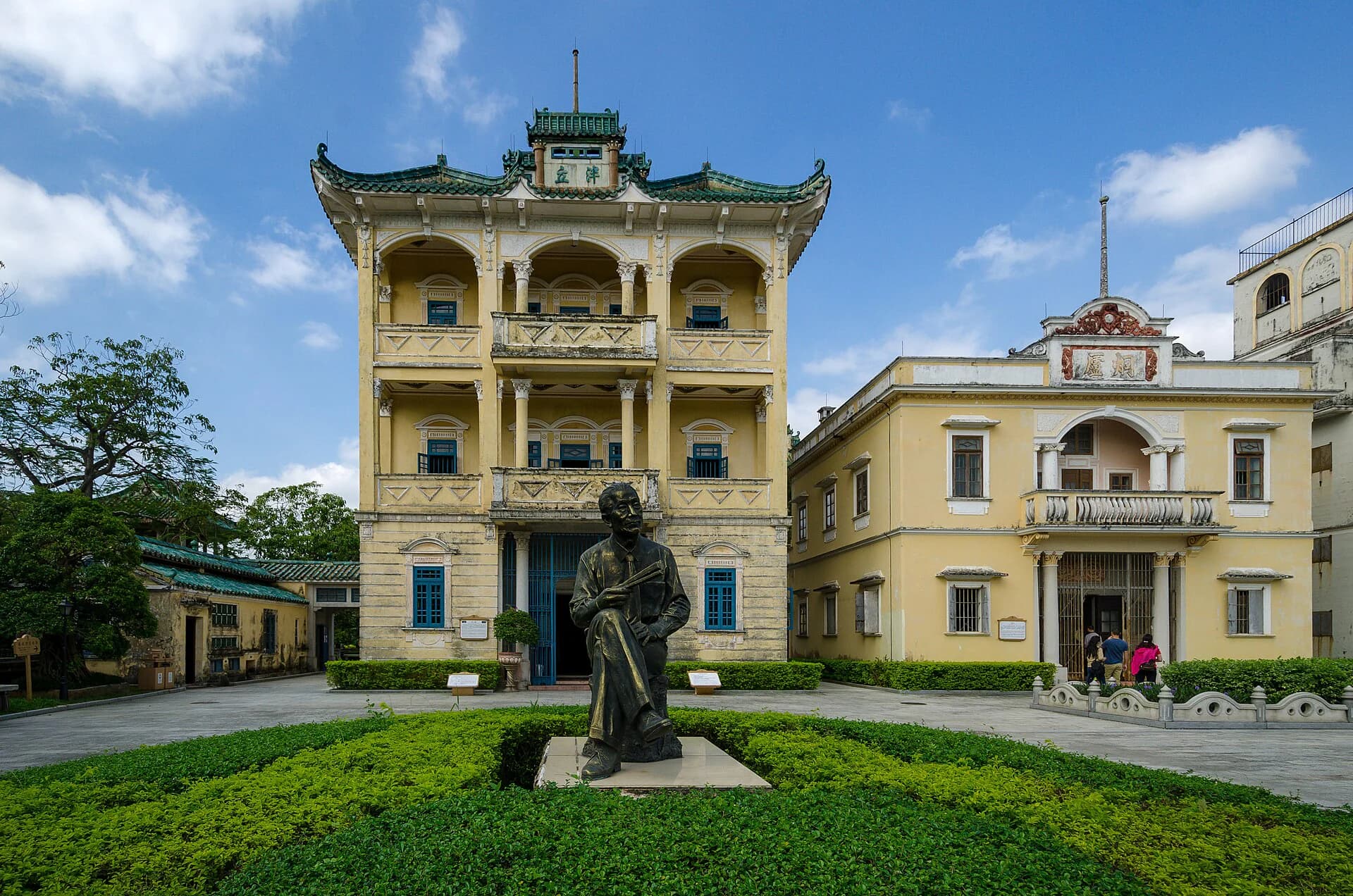
Continue to Li Garden (立园) for a different product: a private family estate, water, gardens and more elaborate domestic architecture. The contrast matters. Zili explains a village adapting collectively to migration and insecurity; Li Garden reveals how one overseas-connected family shaped a designed residence and landscape.
AMap's 21 August 2026 road model placed the Zili and Li Garden visitor centres about 3.8 km / 9 minutes by car apart. That makes them the most efficient first pair, but they remain separate visitor products. Confirm both current entries and the transfer; the map does not prove a shuttle.
Add Majianglong only for the wooded-village contrast
Majianglong (马降龙) rewards travelers who want towers partly screened by bamboo and mature vegetation, slower village texture and fewer estate-style interiors. Some visitors found this the most atmospheric rural layer; others found the extra approach and uncertain return poor value after Zili. Both judgments are reasonable because transport changes the product.
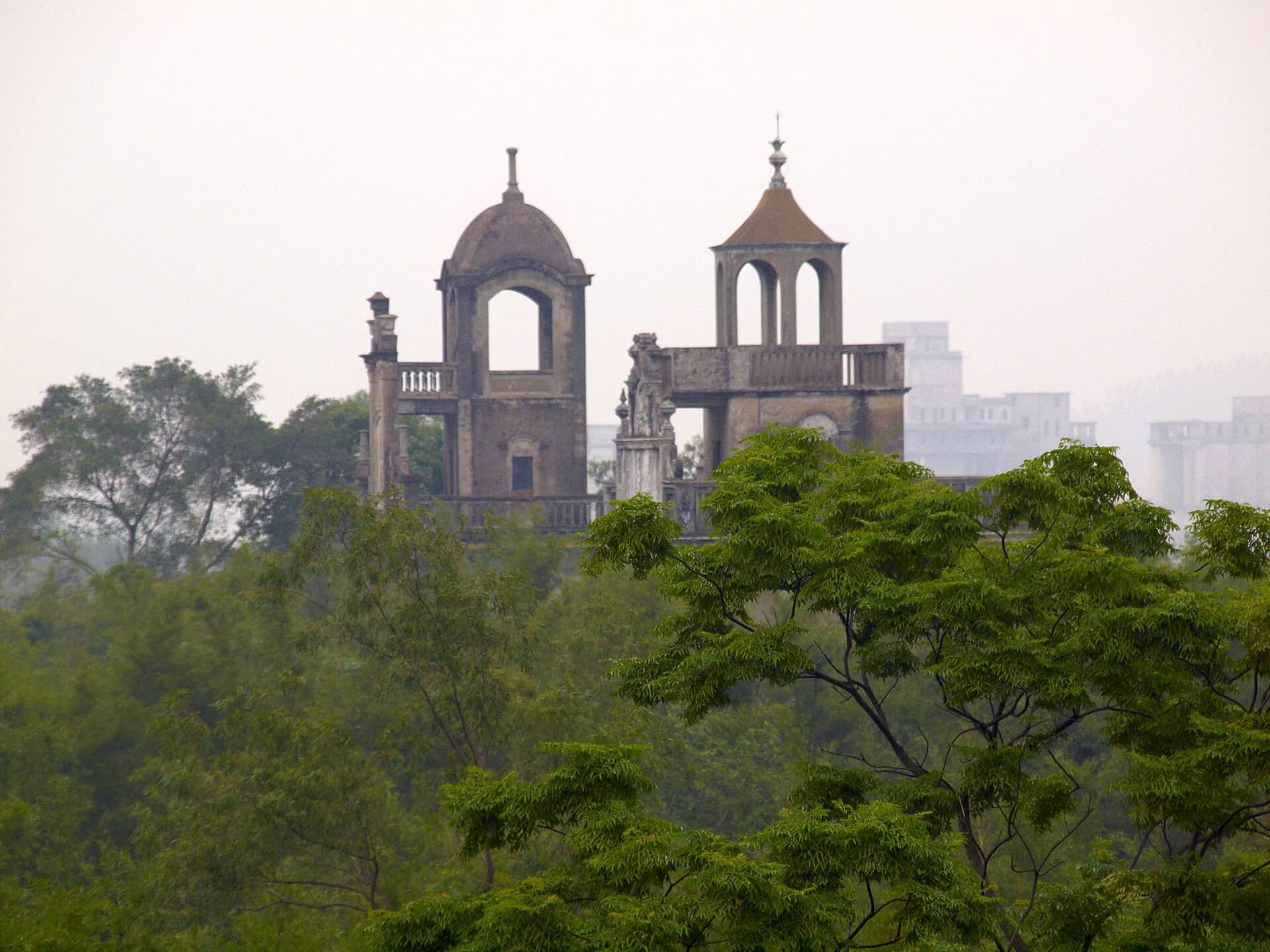
Add it only with an early start, a confirmed road transfer and a confirmed pickup or onward vehicle. Do not present it as a walk-on continuation from Li Garden or assume a multi-site ticket supplies transport.
One day or two days
| Product | Sequence | Best for | Leave out first |
|---|---|---|---|
| Focused one day | Zili → Li Garden | First visit, rail arrival or limited transport | Majianglong, remote completion sites and Chikan |
| Expanded rural day | Zili → Li Garden → Majianglong | Private road transfer, early start and interest in village landscape | Unverified interiors and a late rail connection |
| Two days / one night | Day 1 Zili + Li Garden; Day 2 Majianglong or Chikan as a separate product | Slower interpretation and less transport pressure | A four-component checklist |
Use Jinjiangli or Sanmenli as specialist heritage-completion choices only after confirming current access, open interiors and a workable return. The presence of a map pin or ticket name is not enough to make either the default route.
The exact Trip.com adult combo
The Kaiping Diaolou multi-site ticket shelf on Trip.com showed a selectable adult combo when checked on 21 August 2026. That exact resource included one entry each to Zili Village, Li Garden, Majianglong and Jinjiangli. It explicitly excluded entry to Ruishi Tower at Jinjiangli.
The same resource was for ages 19-59, showed three-day validity and electronic direct entry without collection. Those are terms of that specific option, not universal attraction rules. Recheck date, age eligibility, named sites, cancellation, current venue windows and accepted document at checkout. Its booking notice did not explain a foreign-passport-specific purchase or turnstile flow, and it did not include Chikan, Sanmenli, every tower interior, rooftops, shuttle, guide, meals or hotel pickup.
Arrival, base and luggage
Route to the named visitor centre for each selected area. AMap's dated model placed Kaiping South Station about 18.2 km / 28 minutes by car from Zili's visitor centre. That is a planning estimate, not a taxi guarantee, shuttle timetable or permission for a vehicle to enter managed paths.
Kaiping city works as a practical base for one rural day. Tangkou or another rural property can reduce morning movement only when the exact pin, legal vehicle endpoint, luggage collection, meals, late arrival and foreign-guest registration are confirmed. Use a light bag; do not carry a rail-day suitcase through village lanes if it can remain at the hotel or with an agreed vehicle.
Heat, rain and living-village care
The route is largely open air. Heat, mosquitoes, sudden rain and wet surfaces can turn a third site into a poor decision even when the ticket includes it. Carry water, sun and rain protection, and keep Majianglong as the first cut when the return is uncertain. Typhoons, heavy rain and conservation work can change roads and interiors independently; check each area on the day.
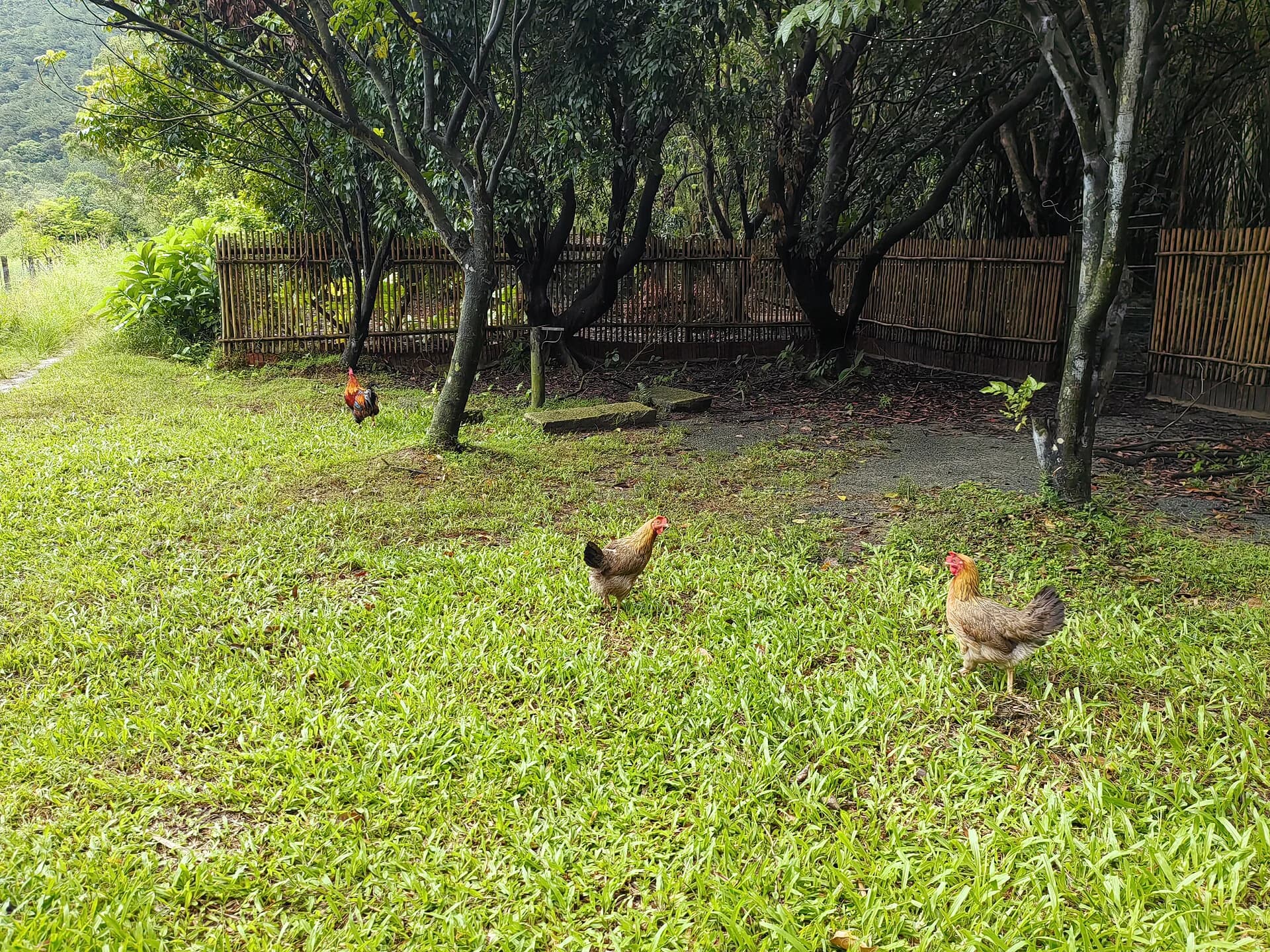
Photo: Yumeto · Source · CC BY-SA 4.0
The villages remain inhabited and cultivated. Keep voices low near homes, do not enter unsigned buildings or fields, and let daily rural life continue around the heritage. The diaolou make more sense when they remain part of a village rather than isolated castle façades.