Yan'an Revolutionary Sites
Updated September 11, 2026
Yan'an's revolutionary sites become far more meaningful when the museum supplies the timeline first. Yangjialing then gives architecture and institutional context; Zaoyuan continues into the later headquarters period. What matters is how each stop changes the story, not how many former rooms you see.
The sites in chronological order
Begin at the Yan'an Revolutionary Memorial Museum for the 1935–1948 frame. Continue to Yangjialing for the Seventh Party Congress venue and the relationship between cave dwellings, offices and public buildings. Finish at Zaoyuan for the later headquarters period and a more spacious garden setting.
Choose your sequence
| Visit | Sequence | Best for |
|---|---|---|
| Focused core | Museum → Yangjialing | First visit with limited time |
| Full chronology | Museum → Yangjialing → Zaoyuan | A complete city-history day |
| Slower two-part visit | Museum in depth, then sites later | Readers, families and lower walking pressure |
Museum to Yangjialing is 2.9 km / 10 minutes by car; Yangjialing-to-Zaoyuan was 5.8 km / 12 minutes. These are separate entrances, not one compound you can walk around.
What each stop adds
The museum connects political, military, social and cultural developments through objects and exhibitions. Yangjialing makes the institutional period legible through its auditorium and hillside residential fabric. Zaoyuan shifts the atmosphere toward a later, greener headquarters landscape.
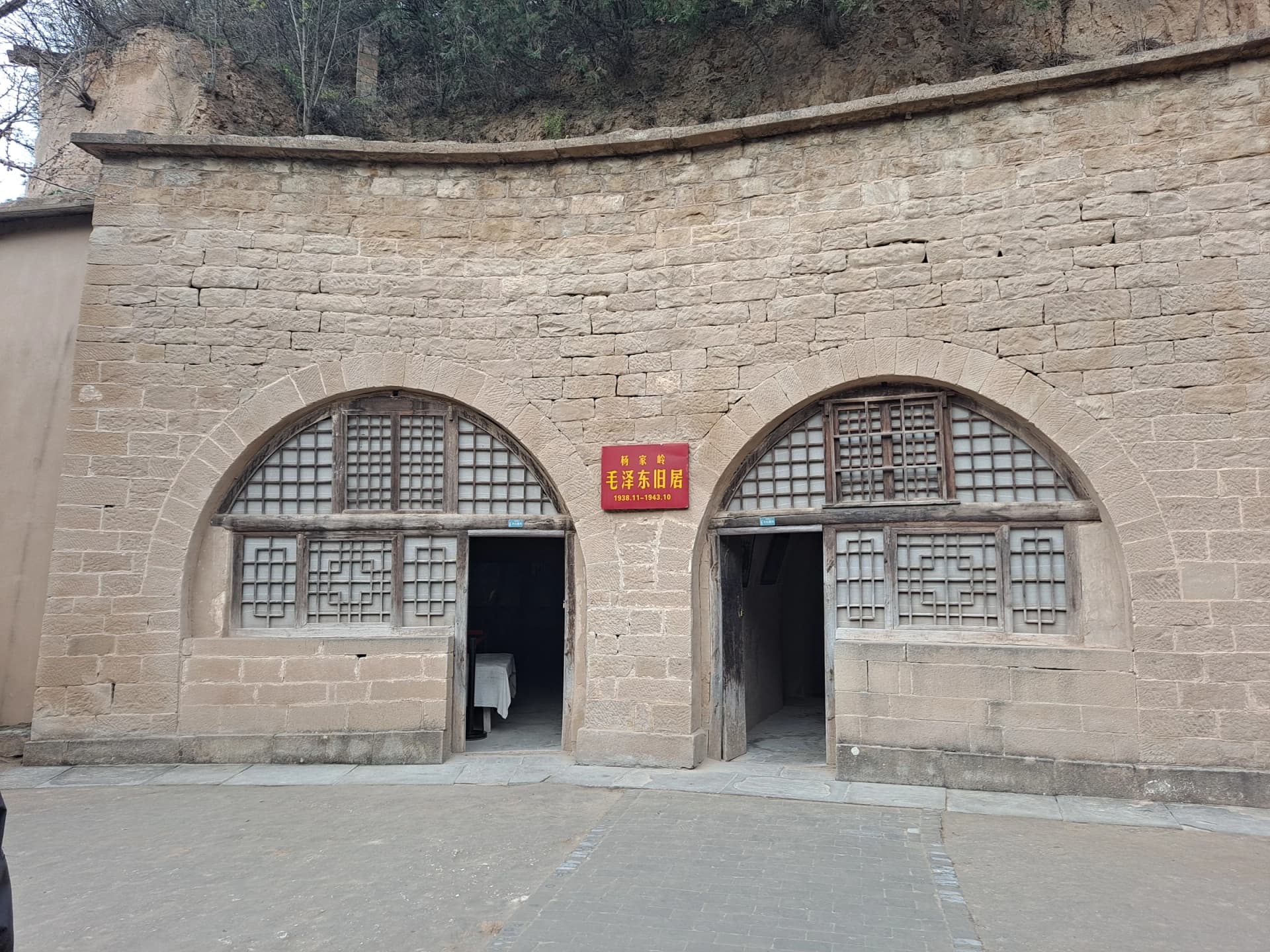
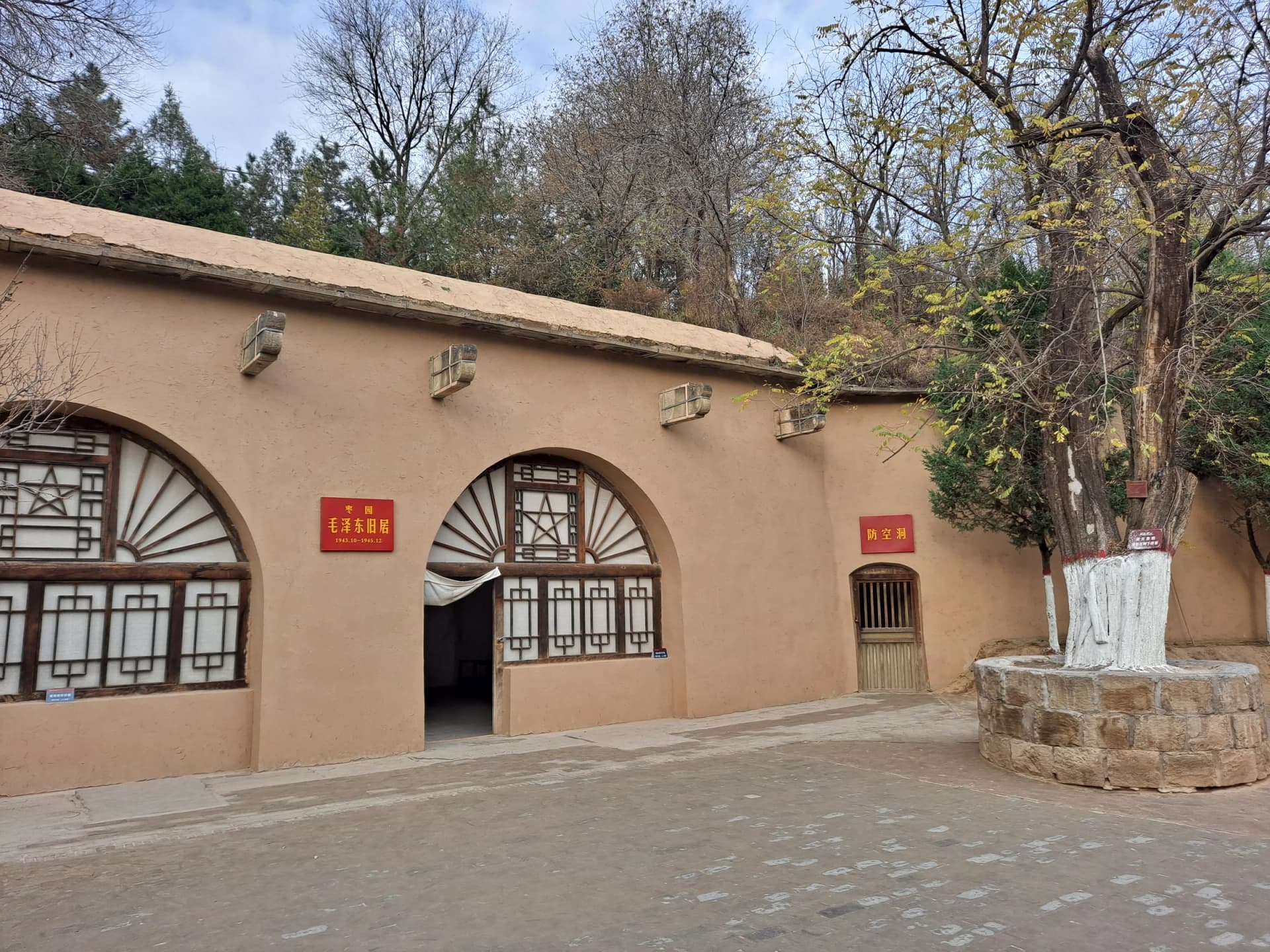
Cave dwellings are a regional building form and a lived environment, not a novelty backdrop.
What to look for at each stop
At the museum, allow roughly 1–2 hours for a first overview. Use the timeline to choose a few events you want to understand, then connect an object or photograph to each one. Use the labels to tell original objects from reconstructed scenes. Allow about 90 minutes here; reading extensively or using interpretation will need more time.
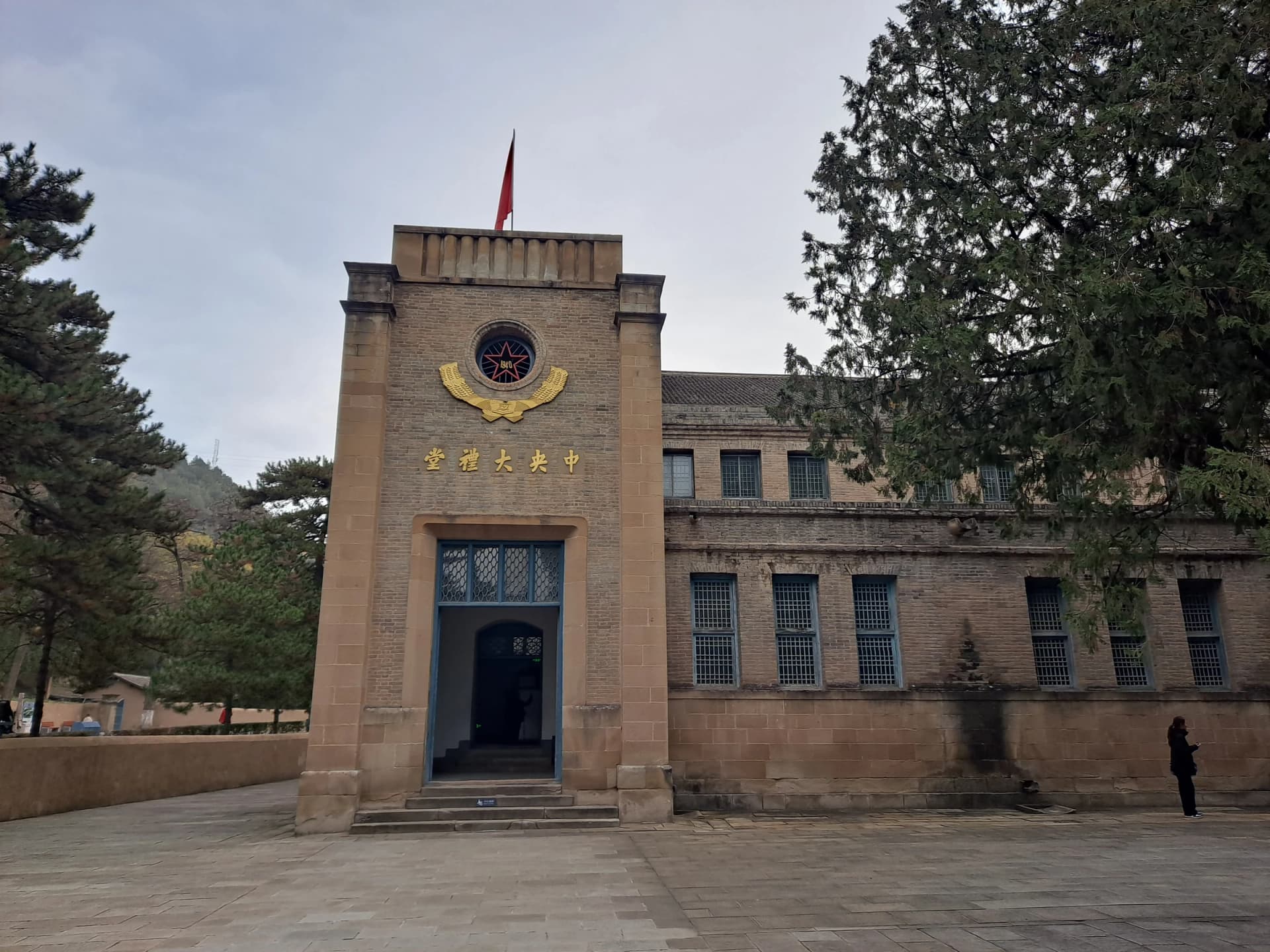
At Yangjialing, allow another 60–90 minutes. Begin with the Central Auditorium, then compare that communal building with the smaller cave-dwelling spaces on the hillside. Read the room labels for each room's documented use; not every piece of furniture is original. The contrast between meeting space, workplace and home tells you more than a photograph of every doorway.
At Zaoyuan, slow down instead of repeating the same checklist. Use the garden paths to compare the setting with Yangjialing, and select a few open residential or office spaces. If the first two stops already fill your available time, save Zaoyuan for another period. The visit still makes sense without every former residence or an evening hill climb.
Respectful visiting and interpretation
Read labels before photographing rooms, keep voices low and move around organized groups. Neutral historical interpretation is more useful than political slogans or staged poses. If you use a guide, ask them to connect the museum timeline with the specific buildings you visit.
Free admission, reservations and documents
Under current official information, the main museum and sites are free, each with its own reservation and opening hours. Carry the original passport and confirm the current official reservation or manual-entry procedure for each stop; a free site can still require a timed booking.
A temporary closure or exhibition renewal at one stop doesn't close the whole sequence. Start with the museum only when its opening works that day.
Getting between the sites
Use the exact museum visitor area, Yangjialing visitor area and Zaoyuan entrance rather than a broad Yan'an history pin. City buses and taxis both work, but current routes and traffic decide the day. Leave enough time to enter each site before its own last admission.
Adding Baota Mountain
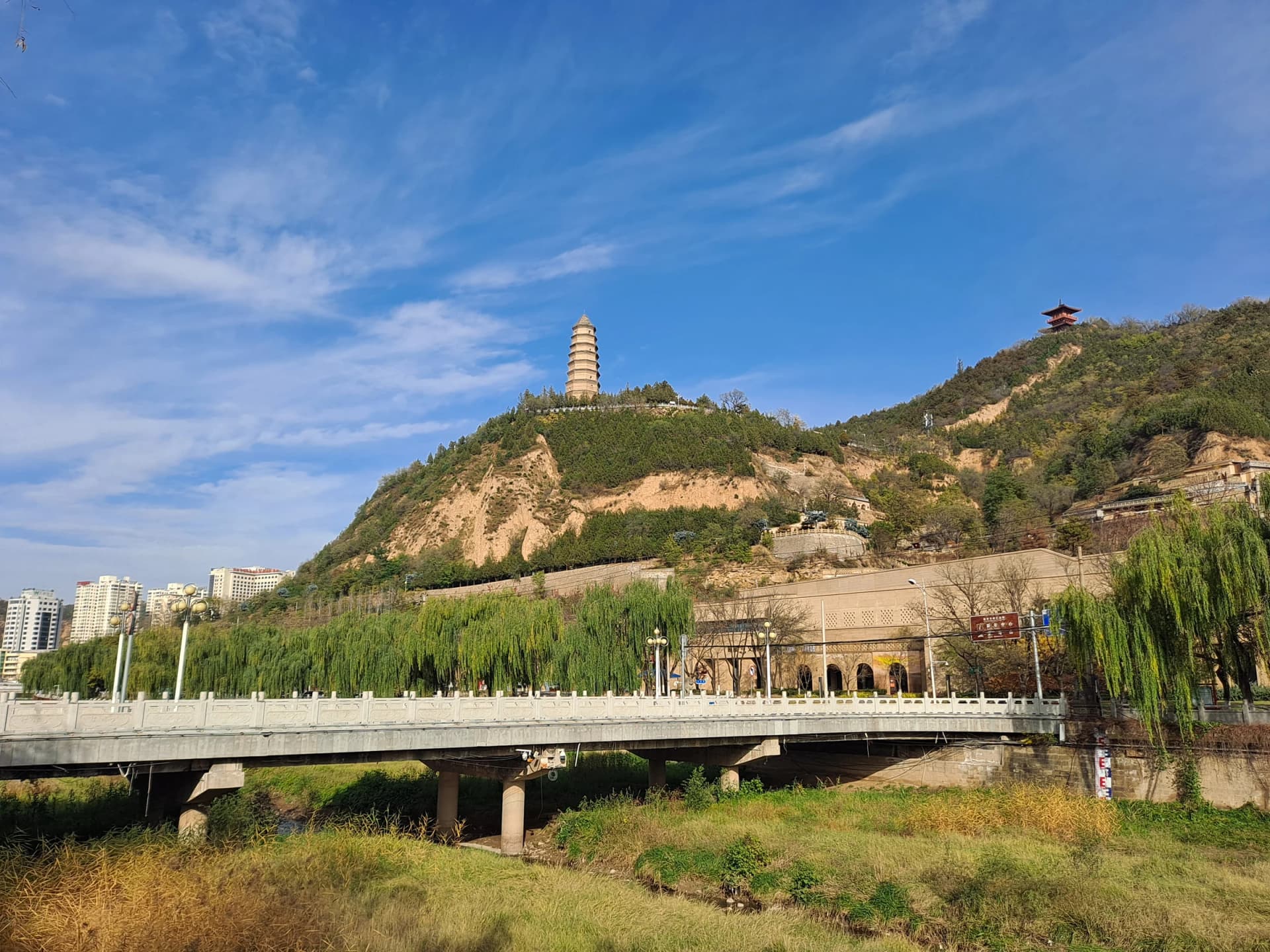
Baota Mountain works best after the history route, for an overview of the city and a view across the river valley. Add it only when current access and energy fit; otherwise finish with food and an evening walk in central Yan'an.
The strongest visit ends with a clearer chronology.