Yabuli Beginner Ski Day
A first day in Yabuli (亚布力, Yàbùlì) works best when the rental desk, lesson meeting point and learning slope belong to the same operating base. The useful goal is to become comfortable moving, stopping and turning with an instructor, then enjoy a few controlled runs. Exploring every mountain is a different kind of visit.
Arrange the learning day
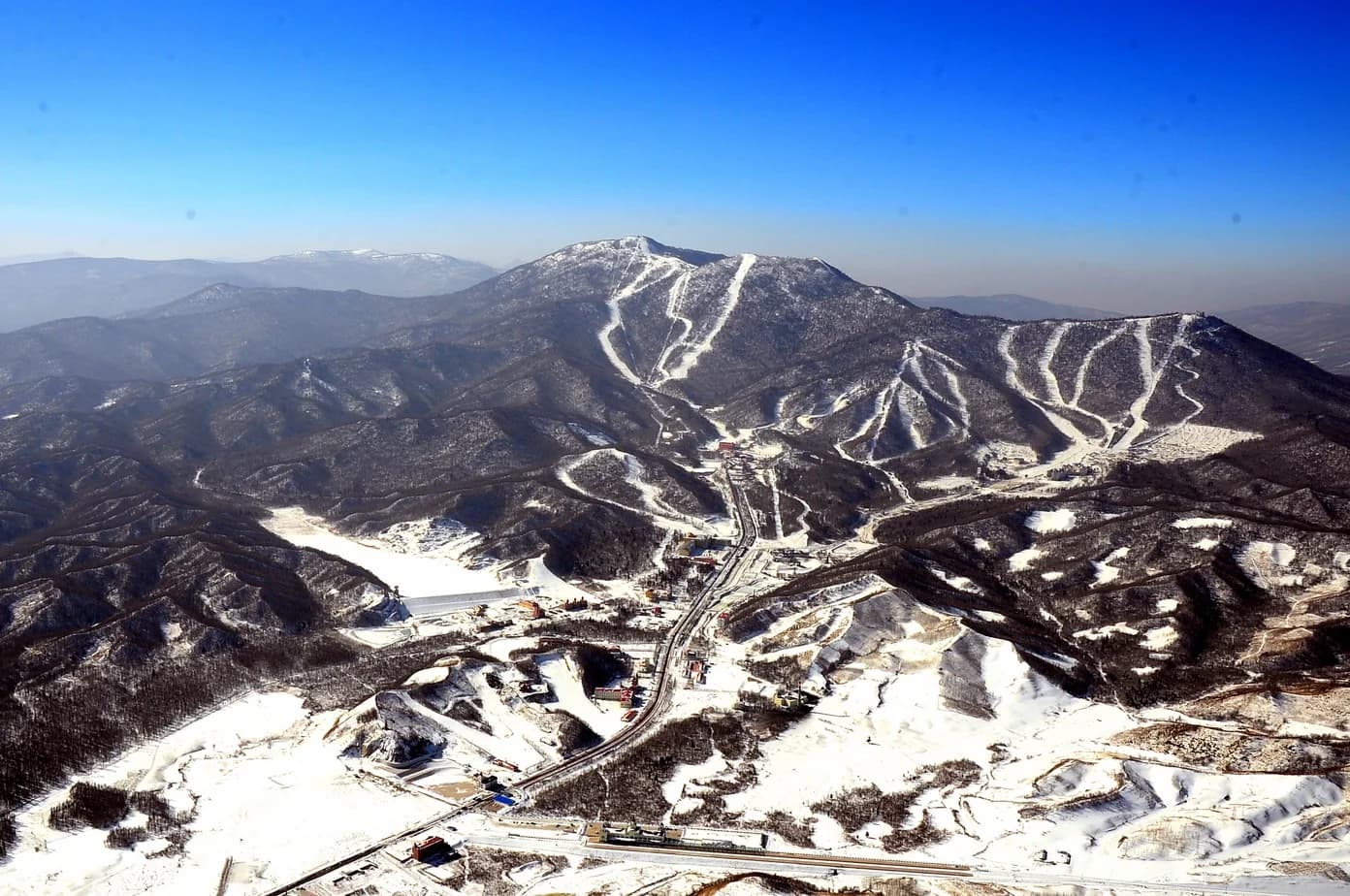
Start with the ski-area chooser, then request the exact operator and base name for your lesson. Yabuli has several operating areas: a product advertised simply as “Yabuli skiing” does not tell you where to meet or which terrain it includes.
Ask for the lesson duration, private or group format, language and meeting point in writing. For an overseas visitor, being able to understand the instructor's stopping and direction instructions is part of choosing the product. Clarify whether the clock starts at the rental desk or on the snow, and whether fitting, queues or breaks use lesson time.
Compare the components as well as the total price: boots and skis, helmet, any protective equipment, locker, learning lift or magic carpet and instructor. Do not assume an equipment bundle includes instruction or that a lift ticket covers every mountain. Last winter's linked-mountain product is not a reason for a beginner to buy wider access.
From the rental desk to the snow
Keep the arrival sequence simple: find your base, confirm the lesson, fit the equipment, leave nonessential luggage, then meet the instructor. Allow this preparation its own time instead of arranging a lesson immediately after a train arrival.
Tell the rental staff if boots pinch or your heel feels loose; have staff inspect the equipment and make binding adjustments. Photograph the equipment number and existing damage, and ask where and when it must be returned. Locate the indoor rest point before you head out so that a cold or tired member of the group can return easily.
Start in the assigned learning area. Use the instructor's exercises to establish stopping and turning before progressing to another slope. A successful first session can stay entirely in that area. Keep photographs for a designated safe stopping place, rather than stopping across moving traffic.
Make the second session optional
After the lesson, take an indoor break and decide with the instructor whether more practice is appropriate. Visitor accounts describe mixed-speed traffic even on beginner terrain, so an easy slope is not automatically an empty one. More laps are useful only while you can maintain control and respond to other skiers.
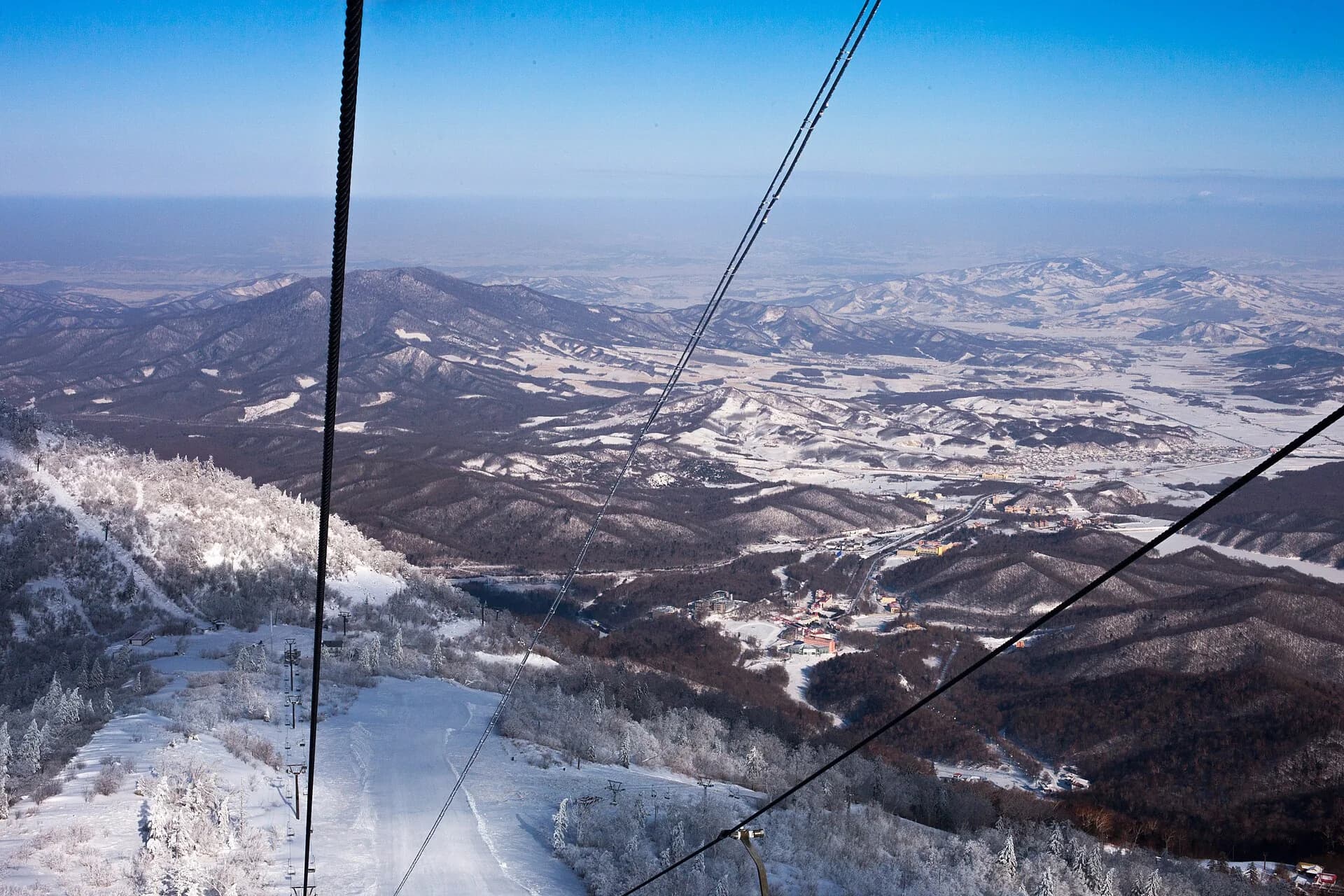
A gentle-looking connecting ridge is not a beginner shortcut. Reports from Happiness Avenue describe an easy-looking start followed by a junction near the much steeper B1 run. Use the current run signs and your instructor's assessment, rather than following someone who calls a route “easy.”
If your legs are tired or the surface feels harder to manage, finish with an unhurried equipment return and a warm meal. Surface conditions can deteriorate after repeated traffic, including hardpack or icy patches. There is no need to turn a first lesson into a full-mountain circuit.
Fit skiing into the trip
Use the station and base guide to arrange arrival at the correct resort. Reserve enough time for fitting and return as well as the purchased lesson. If continuing to Snow Town, put the long road transfer outside the lesson block; the combination is easier when the ski day is not squeezed between two travel legs.
Operating dates, open learning areas and lesson inventory are seasonal. Confirm the selected base is accepting beginners on your date before committing to the rest of the day. Keep gloves, dry layers and your essential documents accessible throughout the visit.