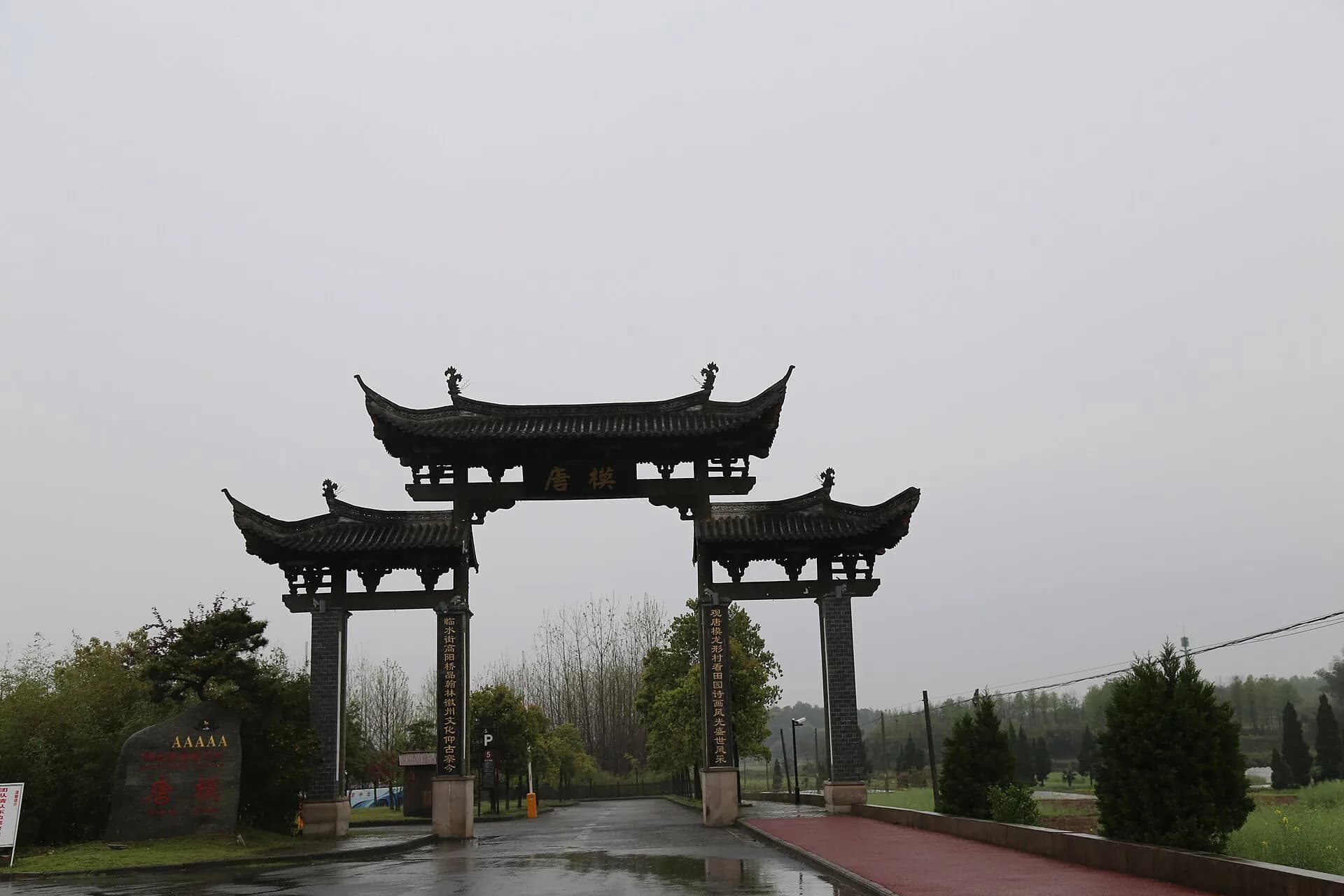
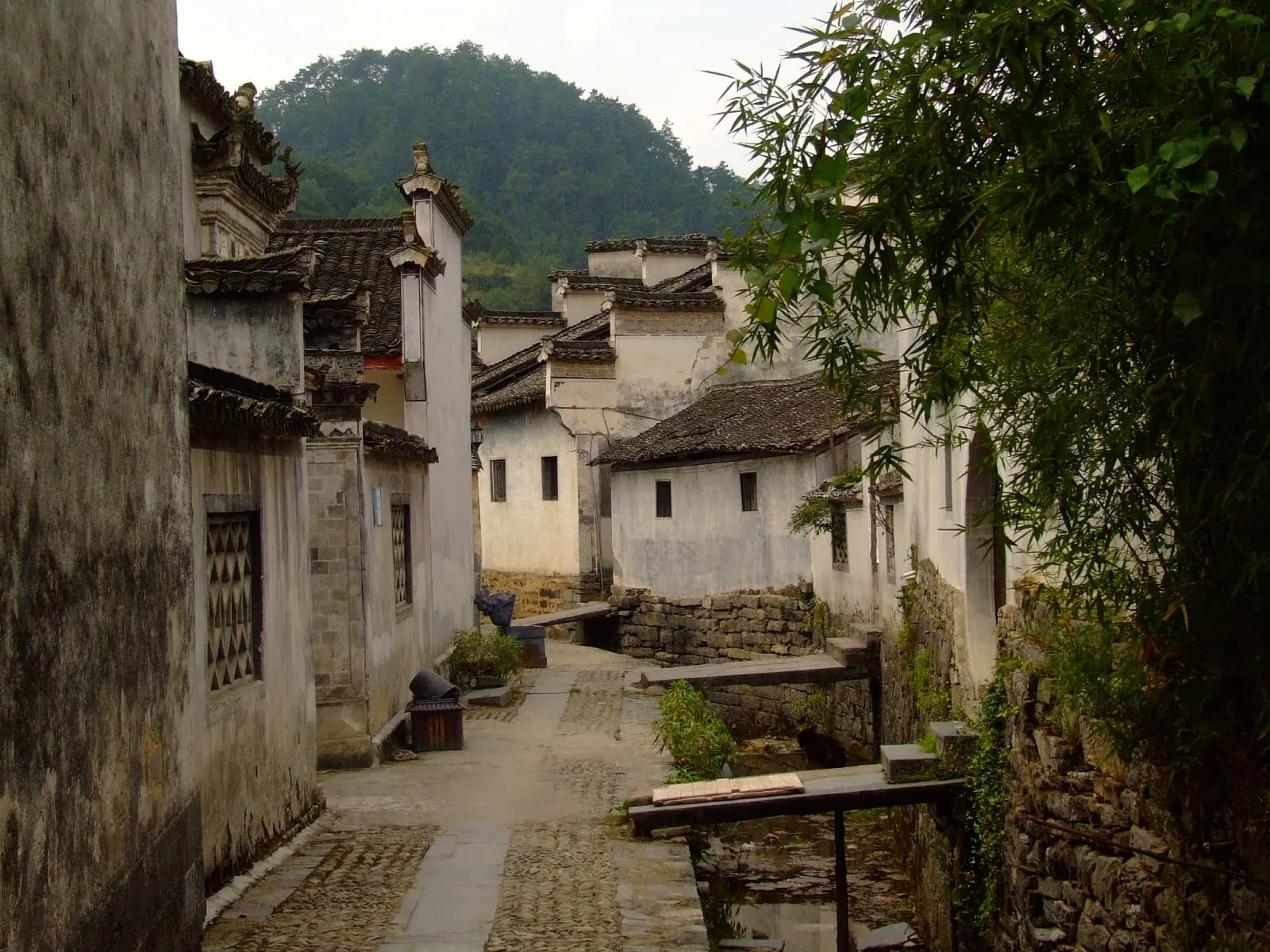
Tunxi Old Street
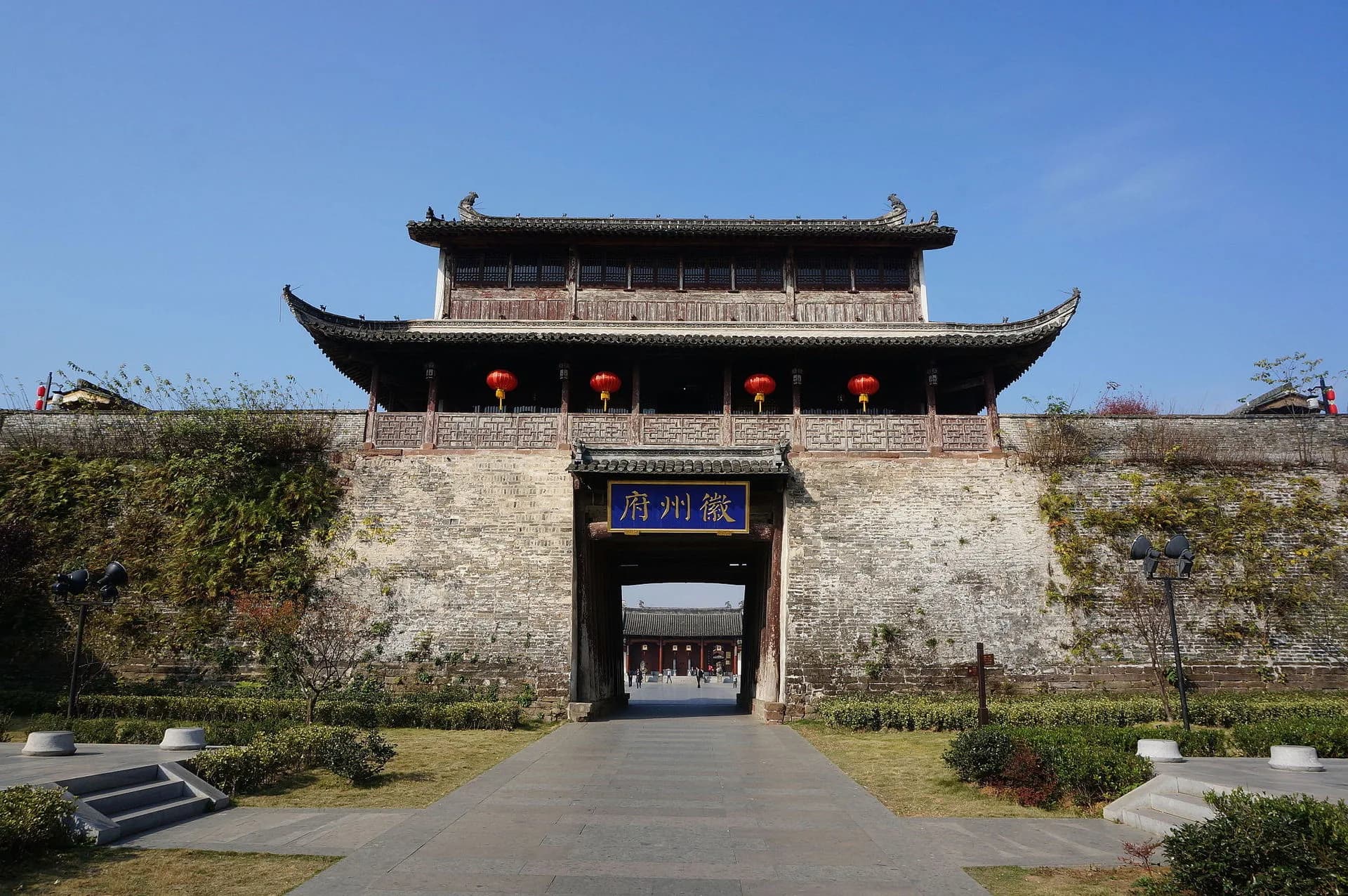
Tunxi Old Street is one of the easiest ways to turn an arrival or departure night into a real Huangshan experience. Surviving commercial-street form, upper-storey timberwork and a natural extension toward the riverfront create a flexible 60–120 minute walk.
It remains an operating commercial district, which is part of the appeal: historic street proportions sit beside current shops, snacks and evening life. Read the architecture first, then choose shopping or the water according to your mood.
A three-zone evening
Treat the area as three distinct layers:
- Tunxi Old Street: historic-commercial fabric and shopfront scale;
- River Street and the waterfront: a waterside public-space layer whose atmosphere depends on weather and current programming;
- Liyang: a more contemporary consumption and nightlife area across a verified connection.
AMap verifies Tunxi Old Street as the urban anchor, but the bridge choice, crossings, gradients and accessible alternatives across these three layers still require live pedestrian navigation. Use the sequence as a chooser rather than a promised step-free route.
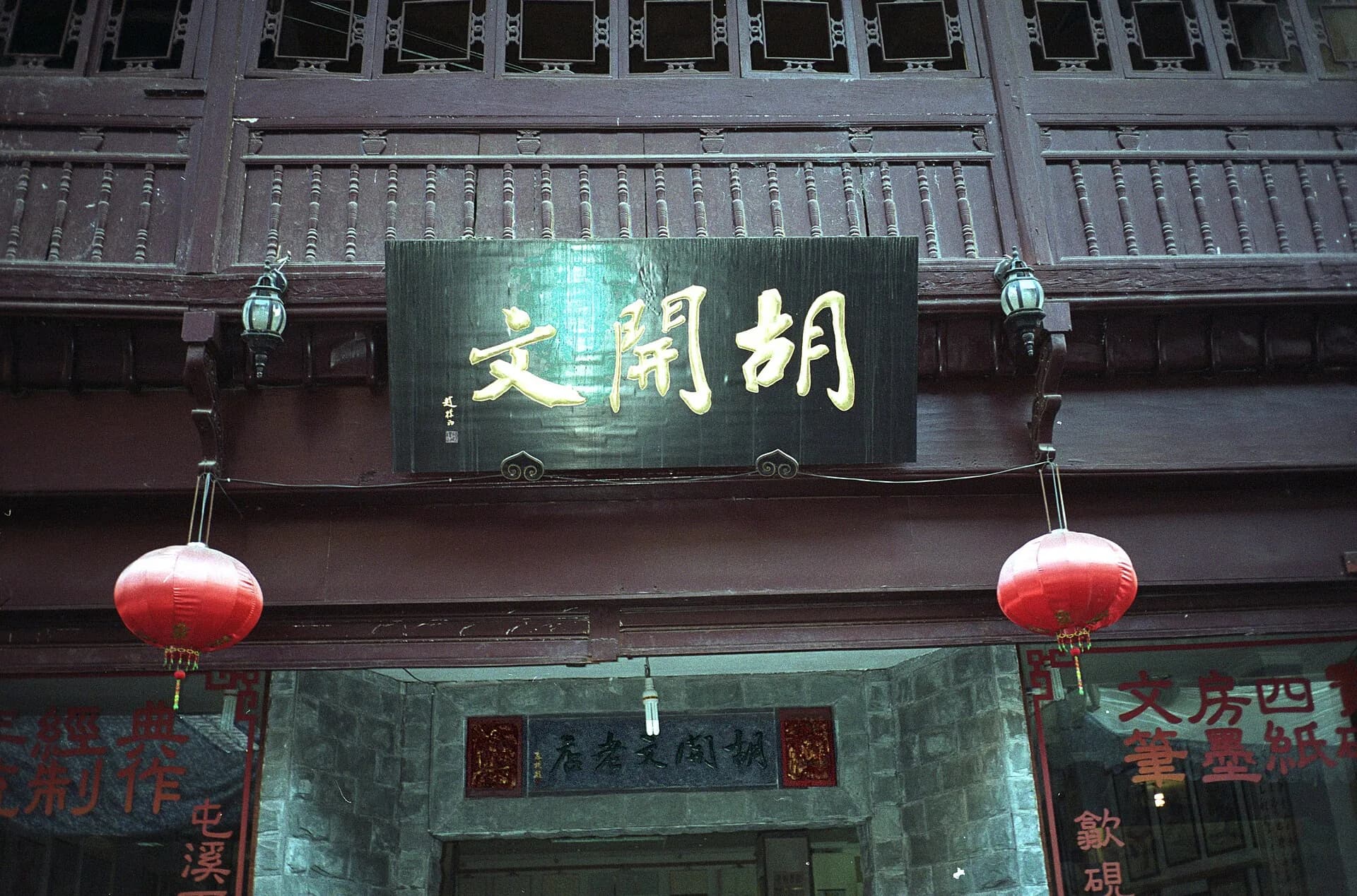
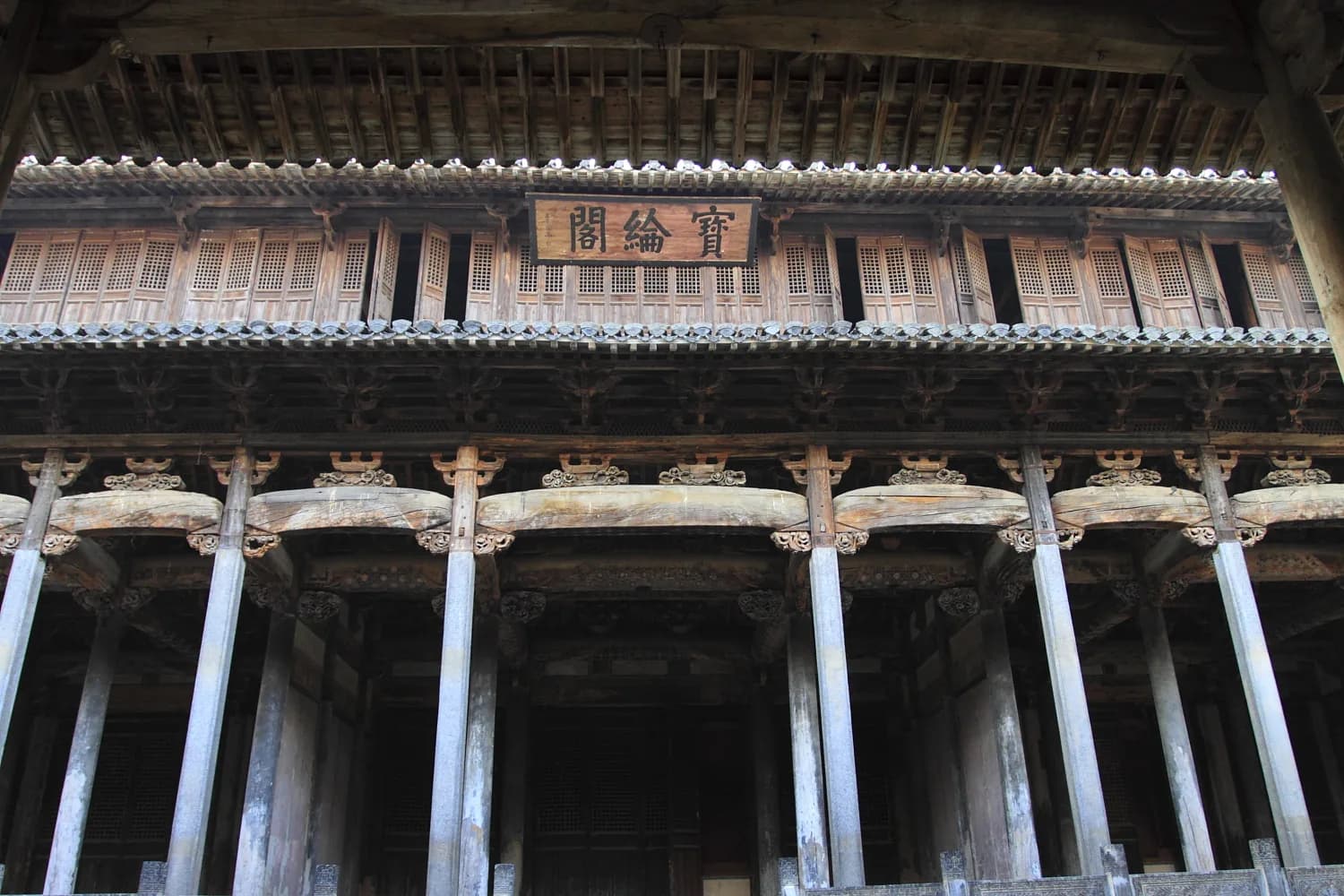
Notice how the shopfront fits beneath the upper timber storey; that vertical relationship is one of the street's most useful architectural details.
What to notice and how to shop
Look at street width, upper-storey timberwork, signs and the relationship between storefront and lane. The strongest route alternates architectural pauses with one or two purchases instead of treating every shop as a heritage exhibit.
For tea, ink, pastries or local food, compare labels, place of manufacture, ingredients and displayed prices. A short tasting or one useful souvenir gives the commercial layer a purpose without turning the evening into a checklist.
Holiday lanterns, markets and performances are a bonus when a current program confirms them. The street's architecture and river connection still make a satisfying evening on an ordinary night.
When it fits best
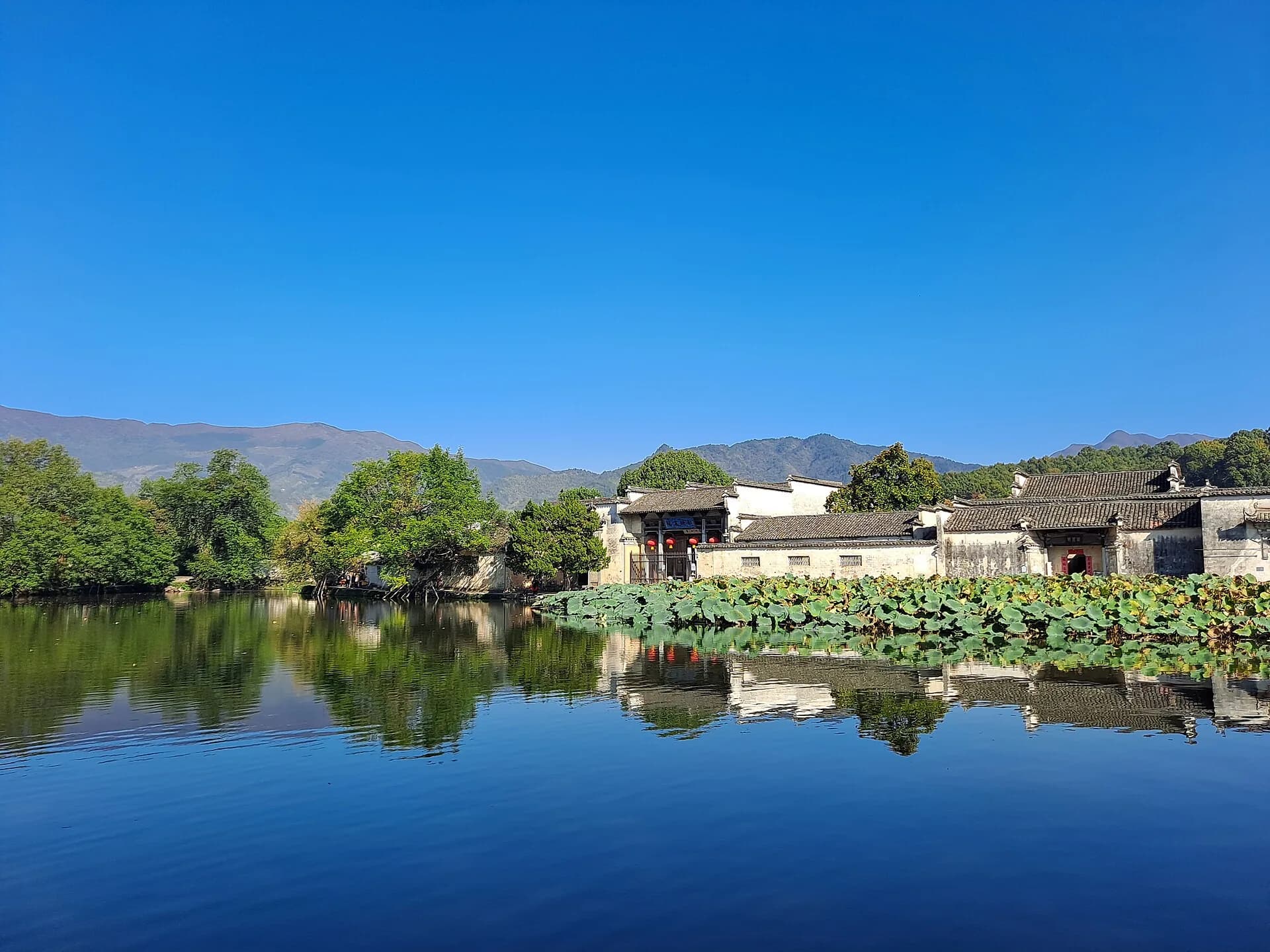
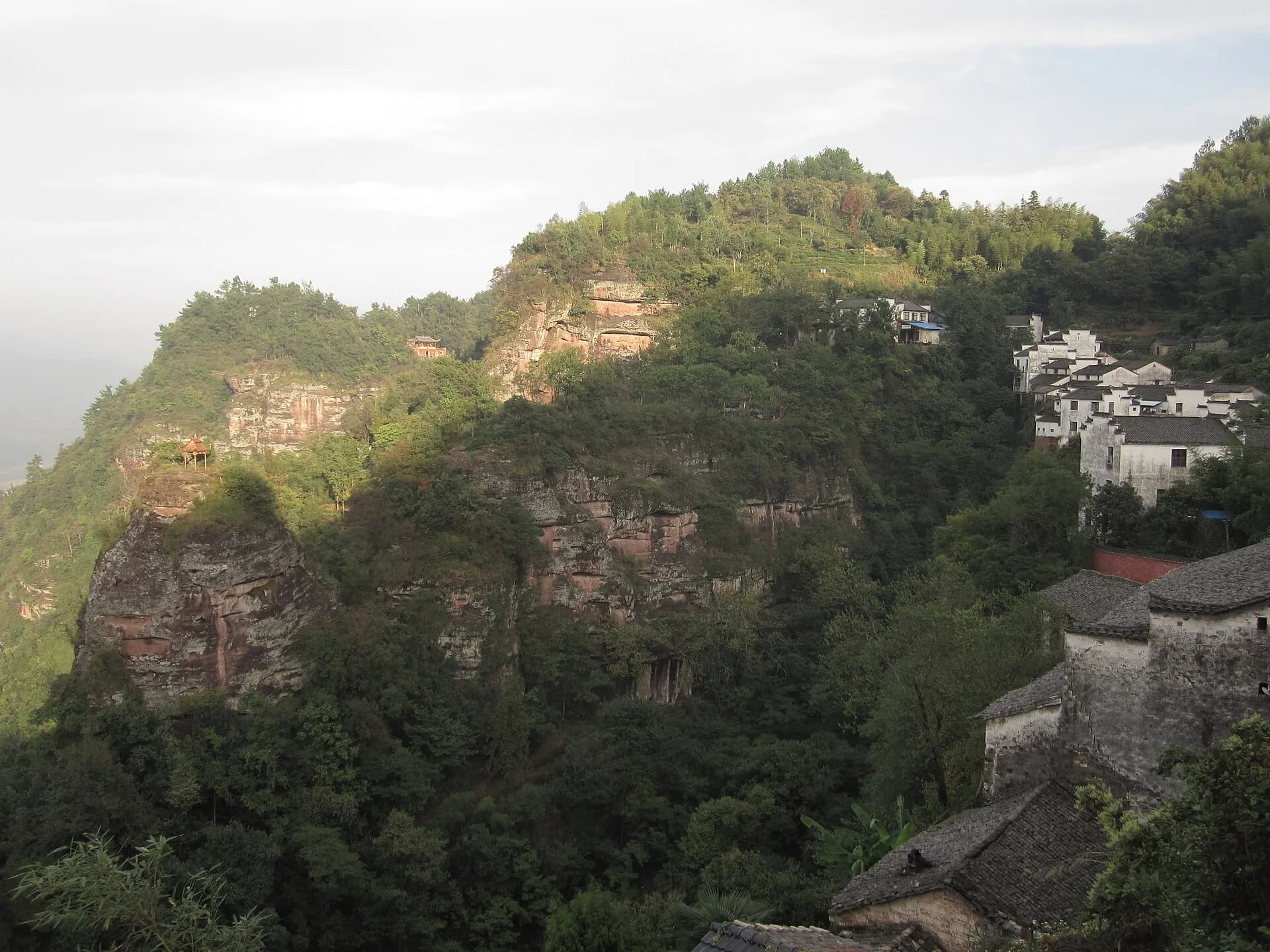
Give Tunxi a full evening when you want dinner, urban history and a waterside walk in one compact plan. Keep it to the historic street alone when you need an early night before Mount Huangshan. For an inhabited rural-village experience, use a separate day for Hongcun, Xidi or Nanping.
Wet stone, delivery vehicles and event crowds can affect accessibility, so keep a simple turnaround point and use the riverfront as an optional extension.
Final verdict
Use Tunxi Old Street as a flexible urban walk around travel logistics. Start with the historic-commercial layer, extend to the riverfront or Liyang only if the mapped connection suits you, and judge purchases separately from the street's heritage value.