Many international visitors experience trouble-free trips in China, but normal travel precautions still matter. Here's what you need to know about staying safe during your visit.
General Safety Overview
Violent crime affecting tourists is uncommon, while petty theft, traffic risk, scams, and crowding are more practical concerns. Conditions vary by place and event, so follow local notices and your government's current travel advice.
Day-to-Day Safety Tips
Personal Belongings
- Carry your passport or other legally accepted identification when required; a photocopy may not satisfy an official document check
- Keep secure digital and paper copies of your passport and visa separately in case the originals are lost
- Keep valuables close, especially in tourist spots
- Most payments are made through mobile apps, so carry minimal cash
Public Transportation
- Use official taxis or ride-hailing apps
- Keep your belongings close on public transport
- Save your hotel address in Chinese characters
Health and Safety
- Drink bottled or boiled water (tap water is not safe to drink)
- Be careful when crossing streets
- Follow local traffic rules
- Keep emergency numbers handy:
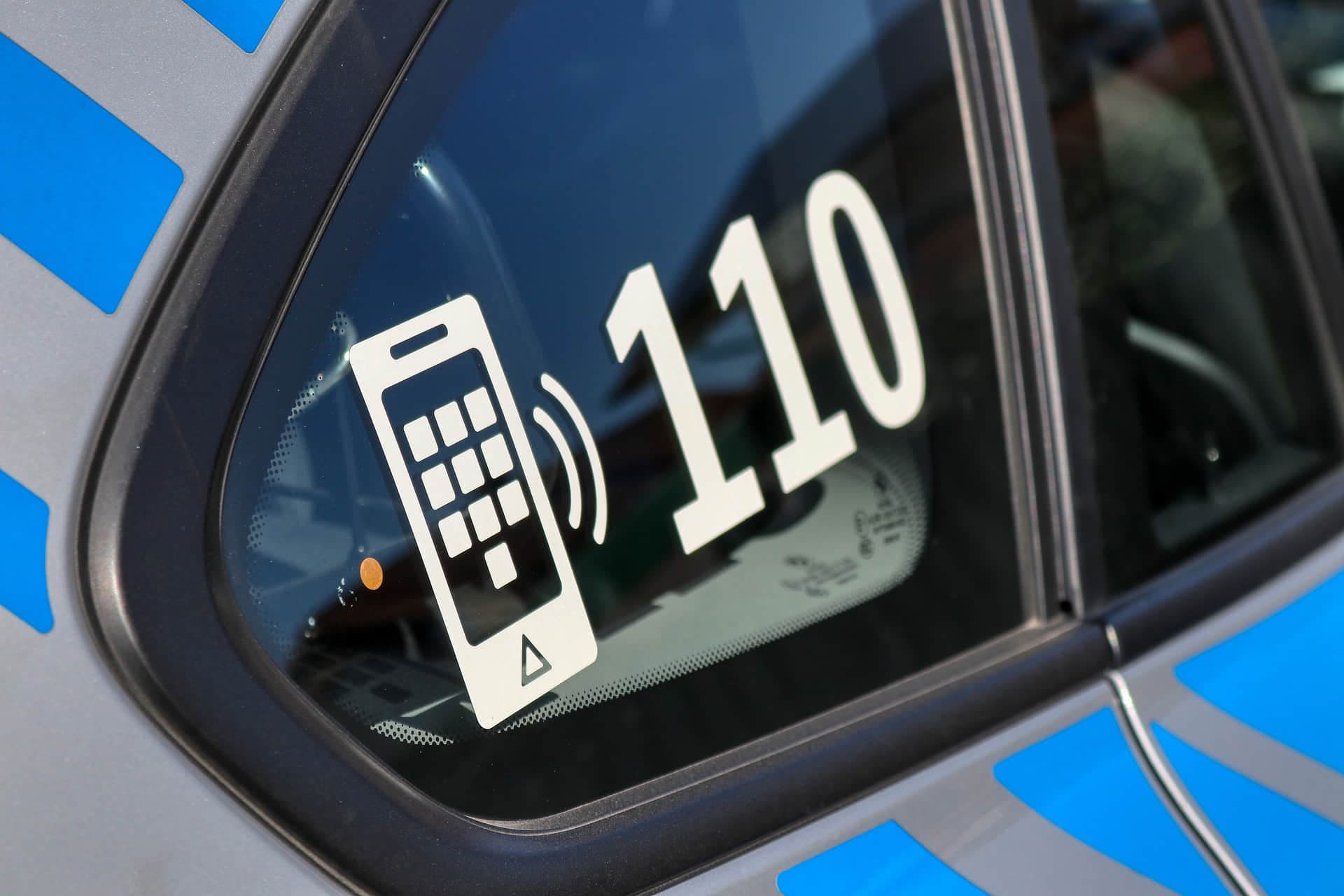
- Police: 110
- Medical Emergency: 120
- Fire: 119
- Traffic Accident: 122
Domestic Flights and Power Banks
- Since June 28, 2025, mainland domestic flights do not allow power banks with no CCC mark, an unclear CCC mark, or a recalled model or batch
- Keep power banks in carry-on baggage, not checked baggage, and check both the airline's capacity rules and the current recall status before flying
Common Situations
Night Safety
Chinese cities are generally very safe at night, with well-lit main streets and active nightlife. Night markets are popular evening destinations, offering street food, shopping, and entertainment.
Tourist Areas
Popular attractions are typically very safe, but remember to:
- Follow crowd management instructions
- Keep your belongings secure
- Be aware of your surroundings
- Use official guides and services
Local Interactions
Locals in China are typically:
- Helpful to tourists
- Respectful and welcoming
- Willing to assist even across language barriers
- Curious and friendly toward foreign visitors
Tips for communication:
- Learn a few basic Chinese greetings
- Use translation apps
- Keep important addresses saved in Chinese characters
- A polite, patient attitude goes a long way
Common Scams to Avoid
While scams are uncommon, stay alert for:
- Unofficial or unmetered taxi drivers ("black cabs")
- Deals or luxury goods that seem too good to be true
- Overly persistent unofficial tour guides
- Unsolicited invitations from "friendly students" or strangers to tea houses, karaoke, or art exhibitions
Cultural Awareness
Religious Respect
- China recognizes five official religions: Buddhism, Taoism, Islam, Protestantism, and Catholicism
- Religious activities and worship take place in designated places of worship
- Respect local customs, shrines, and sacred sites
- Avoid public proselytizing
Legal Considerations
- Carry valid ID as required, and keep a copy as a backup
- Follow local laws and municipal regulations
- Strict zero tolerance for illicit drugs
- Respect local etiquette and cultural norms
Emergency Preparation
Important Contacts
- Save your embassy or consulate contact details
- Keep emergency numbers stored in your phone
- Have your hotel's name and address ready in Chinese
- Download essential travel apps (maps, translation, ride-hailing)
Medical Safety
- Carry a reasonable personal supply of medicine in its original packaging, with doctor prescriptions or medical certificates for controlled medications
- Keep your travel-insurance policy number, claim instructions, and 24-hour emergency assistance hotline saved offline
- For non-emergency hospital visits, bring your original passport; public hospitals require registration before consultations and may have limited English-speaking staff
- In a medical emergency, call 120 and show a saved Chinese address or GPS pin
- Save known allergies, chronic conditions, and medicine generic names in a translated note accessible offline
The arrival and customs guide explains medicine documentation and domestic-flight power-bank checks in more detail.
Millions of tourists visit China safely each year. Following these basic precautions and respecting local customs can help make the trip smoother.