Where to Stay in Hong Kong
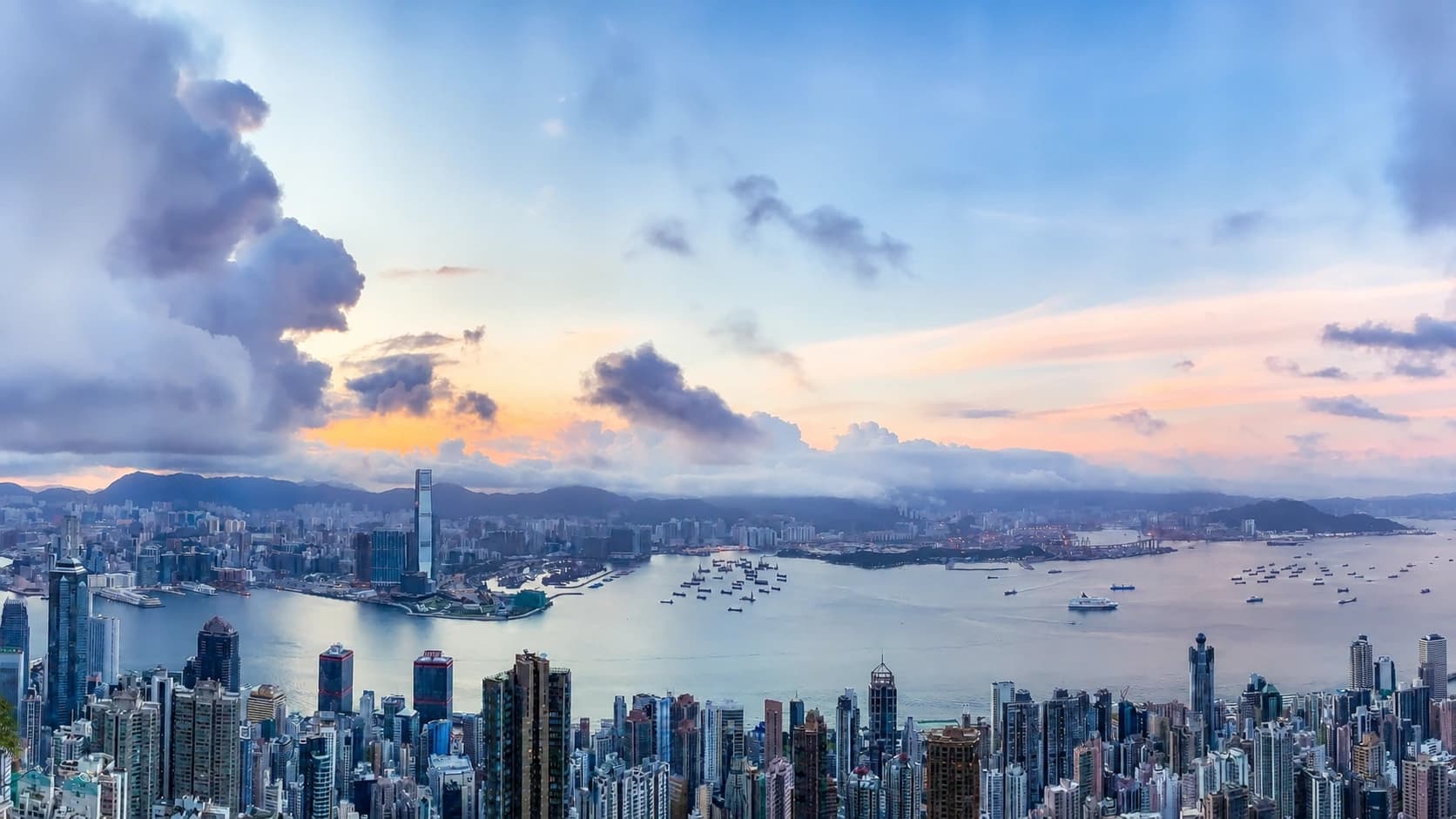
For a three- or four-night first visit split across both sides of Victoria Harbour, Tsim Sha Tsui is the easiest starting point. Choose Central / Sheung Wan for island dining and airport access, Causeway Bay / Wan Chai for shopping and nightlife, or Mong Kok / Yau Ma Tei for better value and late food.
The decisive detail is not the district label but the hotel pin: exact MTR exit, lift or escalator access, slope, footbridge and room size. A short map distance can be an exhausting luggage route.
Quick decision
| Area | Best for | Main trade-off | Useful stations |
|---|---|---|---|
| Tsim Sha Tsui / Jordan | first visit, harbour and museums | crowds, compact rooms, high rates | Tsim Sha Tsui, East Tsim Sha Tsui, Jordan |
| Central / Sheung Wan | business, ferries, airport and nightlife | steep streets and expensive rooms | Central, Hong Kong, Sheung Wan |
| Causeway Bay / Wan Chai | shopping, dining and late returns | busy roads; repeated cross-harbour trips | Causeway Bay, Wan Chai, Exhibition Centre |
| Mong Kok / Yau Ma Tei | budget, markets and local food | dense streets; farther from island sights | Mong Kok, Yau Ma Tei, Prince Edward |
Tsim Sha Tsui and Jordan: first-time default
Tsim Sha Tsui and East Tsim Sha Tsui connect the Tsuen Wan and Tuen Ma lines. Star Ferry, the promenade and museums can be 5–25 minutes on foot depending on the block. Central is roughly 15–30 minutes by MTR or ferry; West Kowloon high-speed rail is about 15–30 minutes by walking, taxi or local transit.
Choose Tsim Sha Tsui for the harbour and easy midday returns. Jordan offers more food and often better value one station north. Both can be crowded, and room size varies dramatically. Confirm the square meters, bed width, lift, window and whether a “harbour view” is unobstructed.
Compare Tsim Sha Tsui and Jordan hotels on Trip.com, examining the actual block and entrance rather than the marketing district.
Central and Sheung Wan: island access and hills
Central/Hong Kong stations connect multiple MTR lines and the Airport Express; Sheung Wan sits on the Island Line near ferries and older streets. Tsim Sha Tsui is roughly 15–30 minutes by ferry or MTR, the Peak Tram lower terminus 10–30 minutes, and the airport about 30–45 minutes by Airport Express plus the hotel transfer.
This is the strongest area for business, SoHo, ferries and late island dinners. Rates are high, rooms can be small and hills matter. A hotel “near Central” may require stairs, an elevated walkway or a steep final climb. Families with strollers and travelers with limited mobility should verify the step-free route from a specific exit.
Search Central and Sheung Wan hotels on Trip.com, checking slope and lift access in recent reviews.
Causeway Bay and Wan Chai: shopping and nightlife
Causeway Bay and Wan Chai are on the Island Line; Exhibition Centre adds Tuen Ma line access from the north side of Wan Chai. Central is around 10–20 minutes, Tsim Sha Tsui 20–35 minutes, and the Peak usually 30–50 minutes including transfers. This base works when shopping, food and island evenings dominate.
The trade-off is repetition: a traveler whose daily plan centers on Kowloon may cross the harbour twice every day. Major roads, malls and footbridges can also make a nearby pin surprisingly indirect. Choose Wan Chai for more balanced transport and Causeway Bay for late shopping.
Compare Causeway Bay and Wan Chai hotels on Trip.com, prioritizing the side of the main road that matches your station exit.
Mong Kok and Yau Ma Tei: value and street life
Mong Kok is a Tsuen Wan/ Kwun Tong line interchange; Yau Ma Tei serves both lines; Prince Edward can offer quieter value. Tsim Sha Tsui is commonly 10–20 minutes, Central 25–40 minutes, and West Kowloon 15–30 minutes. Late food, markets and everyday Kowloon are close at hand.
Choose this zone for budget, room value and energetic evenings. Streets are dense and some older mixed-use buildings have slow lifts, confusing entrances or weaker soundproofing. A low price is not a bargain if the room cannot hold opened luggage, so check square meters and recent guest photos.
Check Mong Kok and Yau Ma Tei hotels on Trip.com, filtering for private bathroom, lift and non-smoking rooms.
What Kowloon rooms cost now
Hong Kong hotel prices have fallen a long way from the days when ¥1,000 a night was the norm for a basic room. These were tax-inclusive starting rates for a late-May 2026 weekday stay; weekends, holidays and concert nights are higher:
| Hotel | Area | Notes | From |
|---|---|---|---|
| Metropark Hotel Kowloon | Mong Kok | Quiet for the area; rooms over 20 m² | About ¥340 |
| The Kimberley | Tsim Sha Tsui | A few minutes' walk to the MTR, with well-known roast goose and cha chaan teng spots below | About ¥390 |
| Metropark Hotel Mongkok | Mong Kok | Airport bus A21 stops at the door | About ¥420 |
| Empire Hotel Kowloon | Tsim Sha Tsui | Higher floors have harbor glimpses | About ¥430 |
| Harbour Plaza Metropolis | Hung Hom | Covered walkway to the station; harbor-view rooms | About ¥540 |
| The Royal Garden | Tsim Sha Tsui East | Across the road from the Avenue of Stars | About ¥600 |
| Royal Plaza | Mong Kok East | Connected through a mall to the MTR, so no luggage in the rain or heat; good family rooms | About ¥770 |
Hung Hom is a good-value harbor base. It is about 10 minutes by taxi from West Kowloon high-speed rail station and walkable to the Hong Kong Coliseum.
Pack these.
- Toothbrush and toiletries: under Hong Kong's disposable-plastics rules, hotels no longer hand out free toothbrushes and similar plastic toiletries.
- Plug adapter: sockets are the British three-pin type, and many rooms offer only USB charging.
Family and special-purpose alternatives
- West Kowloon / Austin: strong for high-speed rail, M+ and the Palace Museum; less atmospheric for a first evening.
- Admiralty: excellent interchange and step-free modern complexes, usually at premium prices.
- Lantau / Disneyland: useful for an early park day or airport stop, not a broad Hong Kong base.
- Sha Tin or New Territories: can offer larger rooms, but only choose them when the itinerary already favors that side.
Booking and entry checks
Hong Kong hotels routinely host overseas travelers, but still confirm the accepted travel document, deposit method, check-in age, occupancy rule and local taxes or fees shown at checkout. In small guesthouses, verify licensed status, private-bathroom details, reception hours and the exact building lift.
Save the English and Chinese property names and the correct entrance. Test the route with luggage mode in mind: an MTR exit with a lift may be farther but easier than the closest staircase. Commute ranges are estimates; ferry weather, interchange walks and peak crowds change the live journey.
The practical rule
Stay on the side of the harbour where most nights end. If the itinerary is genuinely balanced, Tsim Sha Tsui is the least complicated first choice; if one side dominates, eliminate the repeated crossing instead of following a universal “best area” claim.