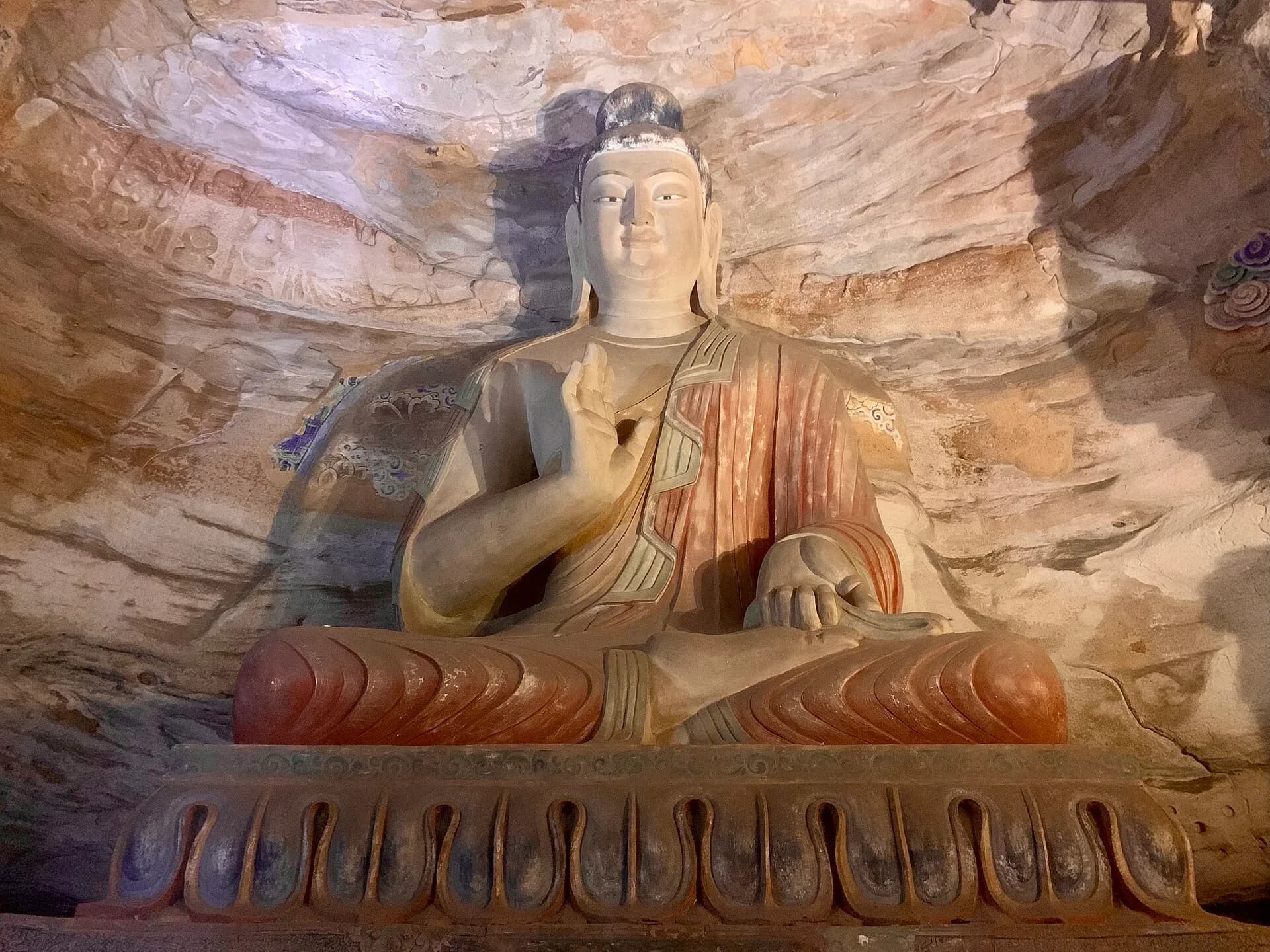
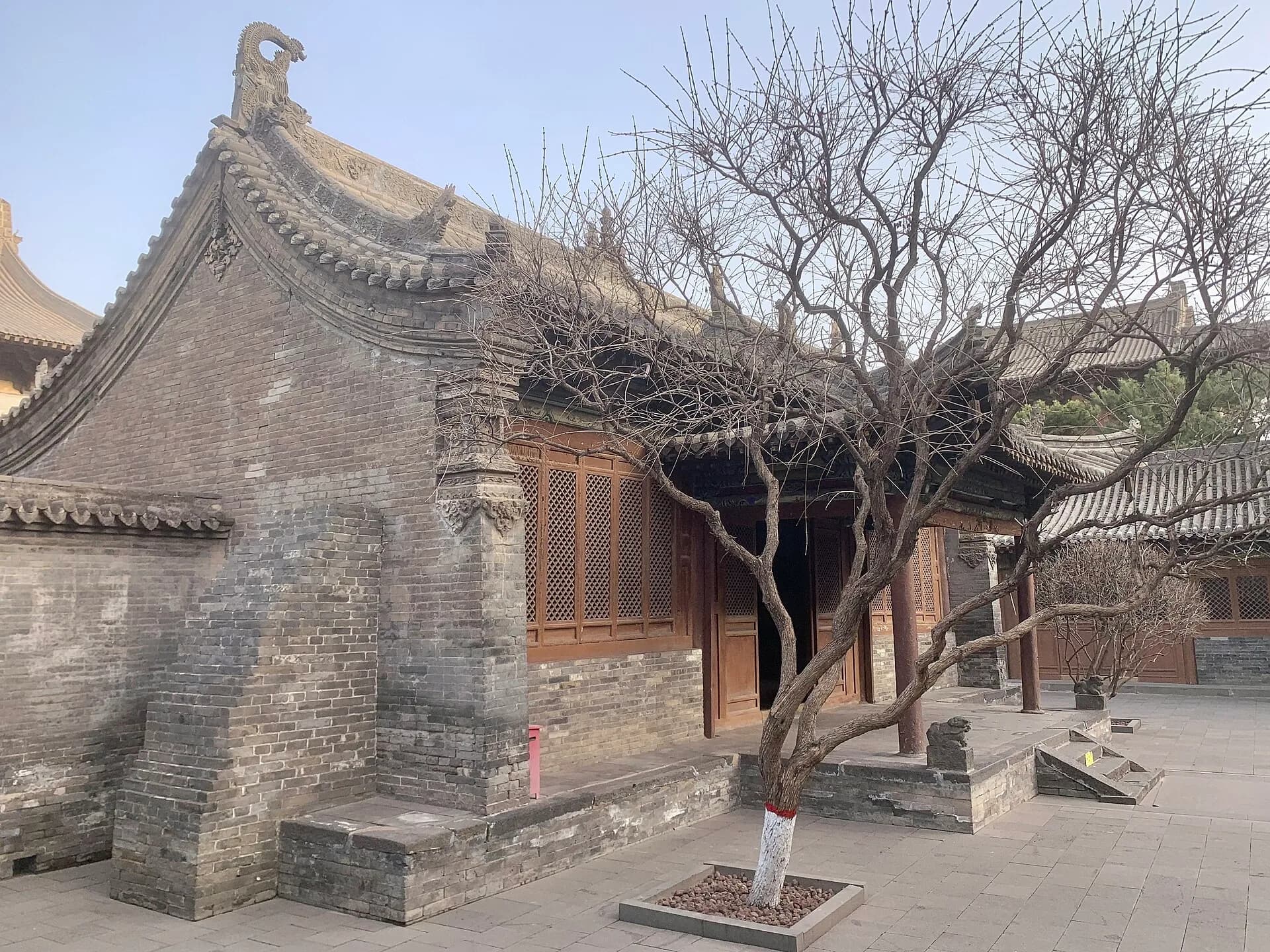
Datong Museum
Datong Museum can provide the best chronological framework for the city’s Northern Wei, Liao and Jin monuments. It can also be a poor use of a short trip when important galleries are closed. Recent visitors reported partial openings, missing headline objects and crowded public interpretation; no current indexed official notice proves that every gallery has reopened.
Make the live gallery list the first decision
Open the museum’s official account on the day before or morning of the visit. Check the open galleries, temporary displays, maintenance notice and interpretation sessions. If the historical sequence you need is mostly closed, move the museum to a future trip rather than filling several hours with disappointment.
Do not publish or rely on a permanent “must-see object” list. Displays rotate, conservation removes objects and a named gallery can close after an older city profile was published.
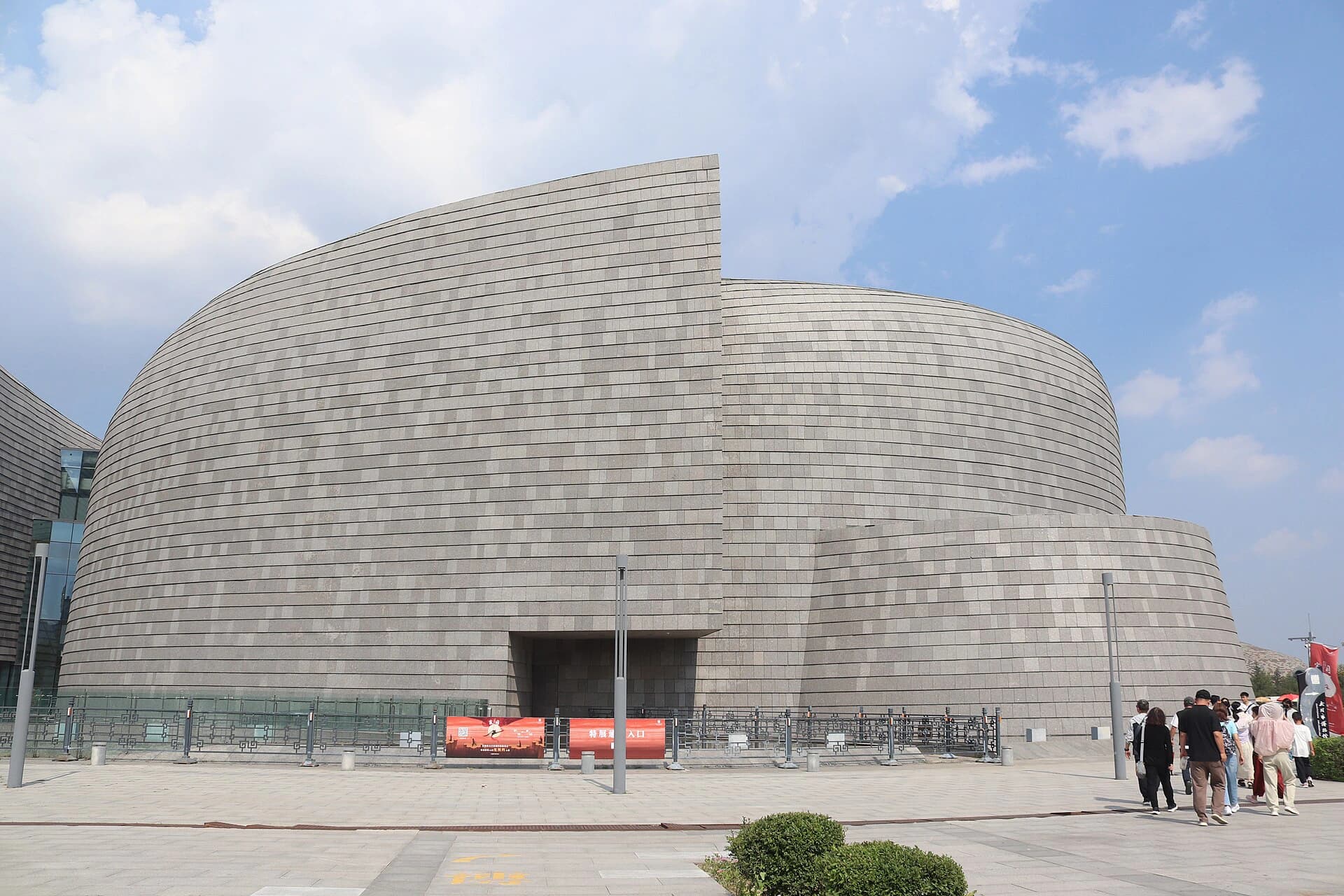
Photo: Liuxingy · Source · CC BY-SA 4.0
Reserve the main museum correctly
The main Datong Museum uses advance real-name reservation. Some branch museums have allowed entry with a valid document without advance booking, but that branch rule does not apply automatically to the main venue.
The latest ordinary baseline found is Tuesday–Sunday, 09:00–17:00, with last entry at 16:30. Holiday and maintenance notices override it. Confirm whether the live form accepts your passport, use the exact document number and carry the original.
Never buy a reseller’s supposed identity workaround for a public museum. One recent failed-reservation report promoted an unofficial route; it is both unreliable and contrary to the museum’s matching controls.
A focused two-hour route
If the relevant galleries are open, begin with the city timeline rather than the most photographed object. Follow political centres, religious patronage, burial evidence and everyday material across periods. Then choose one collection-rich gallery for close study.
Separate excavated evidence from later reconstruction and the museum’s present interpretation. Read maps and provenance labels before a dramatic display. If English labels are limited, photograph the Chinese label only where permitted and translate it away from the case.
Popular guided sessions may be crowded. An official audio service or advance reading can be more useful than pressing into a large group.
Location and fallback
AMap places the museum about 5.5 km / 13 minutes by car from Datong South, but roughly 13.1 km / 24 minutes from Huayan Temple to the station-side sector. It pairs better with an arrival or departure than with the old-city walking spine.
If the reservation fails or too few galleries are open, do not pay anyone to bypass entry. Use Shanhua and Huayan for object-in-place interpretation, or keep a flexible city-wall walk.
Final verdict
Go when the open-gallery list supports a coherent two-hour chronology. Skip or shorten it when maintenance removes that sequence. The museum is valuable as context, not merely because it is free or close to the station.