Lilau Square
Lilau Square (亞婆井前地) is the square by Mandarin’s House. It is distinct from Barra Square (媽閣廟前地), the forecourt of A-Ma Temple. Use Largo do Lilau when navigating to this stop.
Lilau Square (亞婆井前地) stands as a testament to Macau's rich history, where East meets West in perfect harmony. Located at the northern foot of Penha Hill, this historic plaza is an integral part of Macau's UNESCO World Heritage Site, recognized in 2005 for its outstanding cultural significance.
Make Lilau a pause in the heritage walk
Treat the square as a short outdoor stop, with about 10–20 minutes as a suggested allowance to sit in the shade and look around. Compare the surrounding residential facades with the entrance to Mandarin's House, then look at how the small streets meet the square. Observe from public space; the neighboring homes are not part of an open-air museum.
If you want to go indoors, plan the visit around Mandarin's House. Its separate opening hours matter more than the square's: the heritage authority lists Lilau as open around the clock, while the house closes on Wednesdays. An early-morning square stop therefore does not guarantee immediate entry to the house.
The compact southern pairing is A-Ma Temple → Moorish Barracks → Lilau Square → Mandarin's House. Add the uphill Penha Church detour only if you want its views and have time for another climb; you do not need it to enjoy this square. After a short rest, continue toward St. Lawrence's Church if you are extending the walk north.
Historical Significance
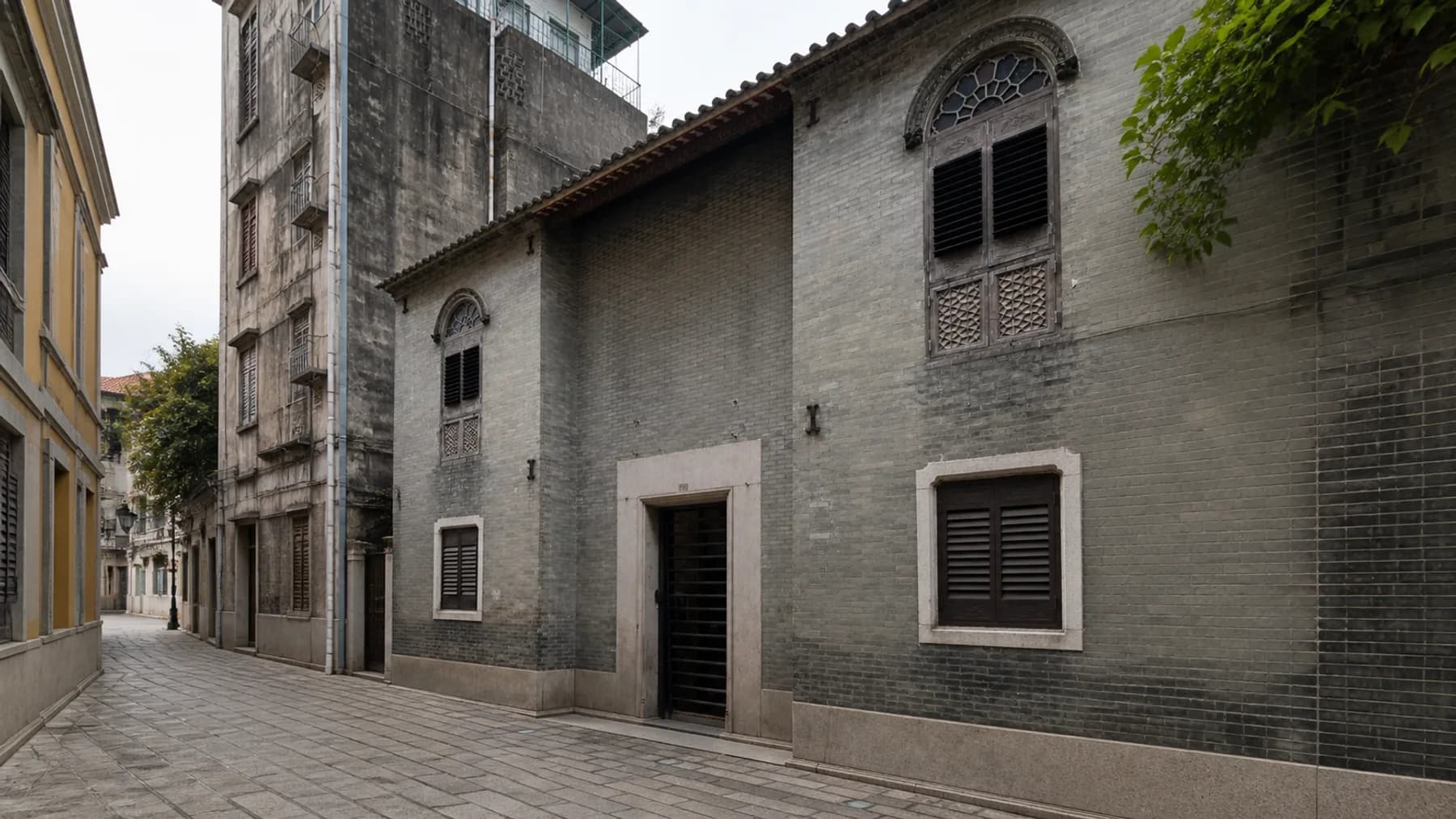
Lilau's groundwater once supplied an important natural spring for Macau. The official heritage description connects the square with one of the city's earliest Portuguese residential quarters. The setting is the attraction: Mediterranean-style facades and later Art Deco influences sit close to the Chinese residential architecture of Mandarin's House.
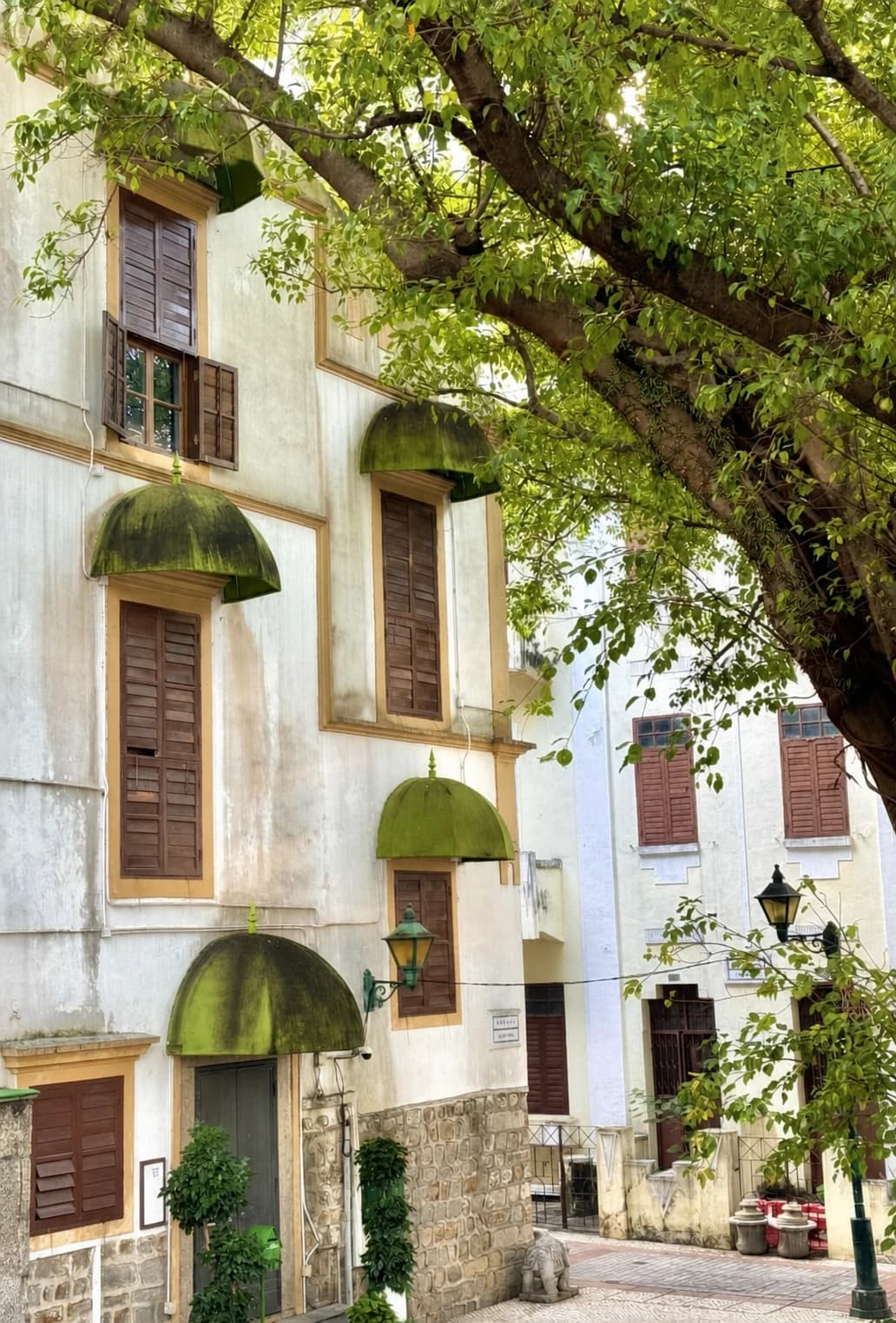
Due to its proximity to the Inner Harbor and abundant water supply, this area became one of the earliest Portuguese settlements in Macau. Over centuries, Portuguese settlers brought their Southern European architectural styles and customs, which gradually merged with local Chinese culture to create Macau's unique Macanese culture.
Architectural Highlights
Portuguese Colonial Architecture
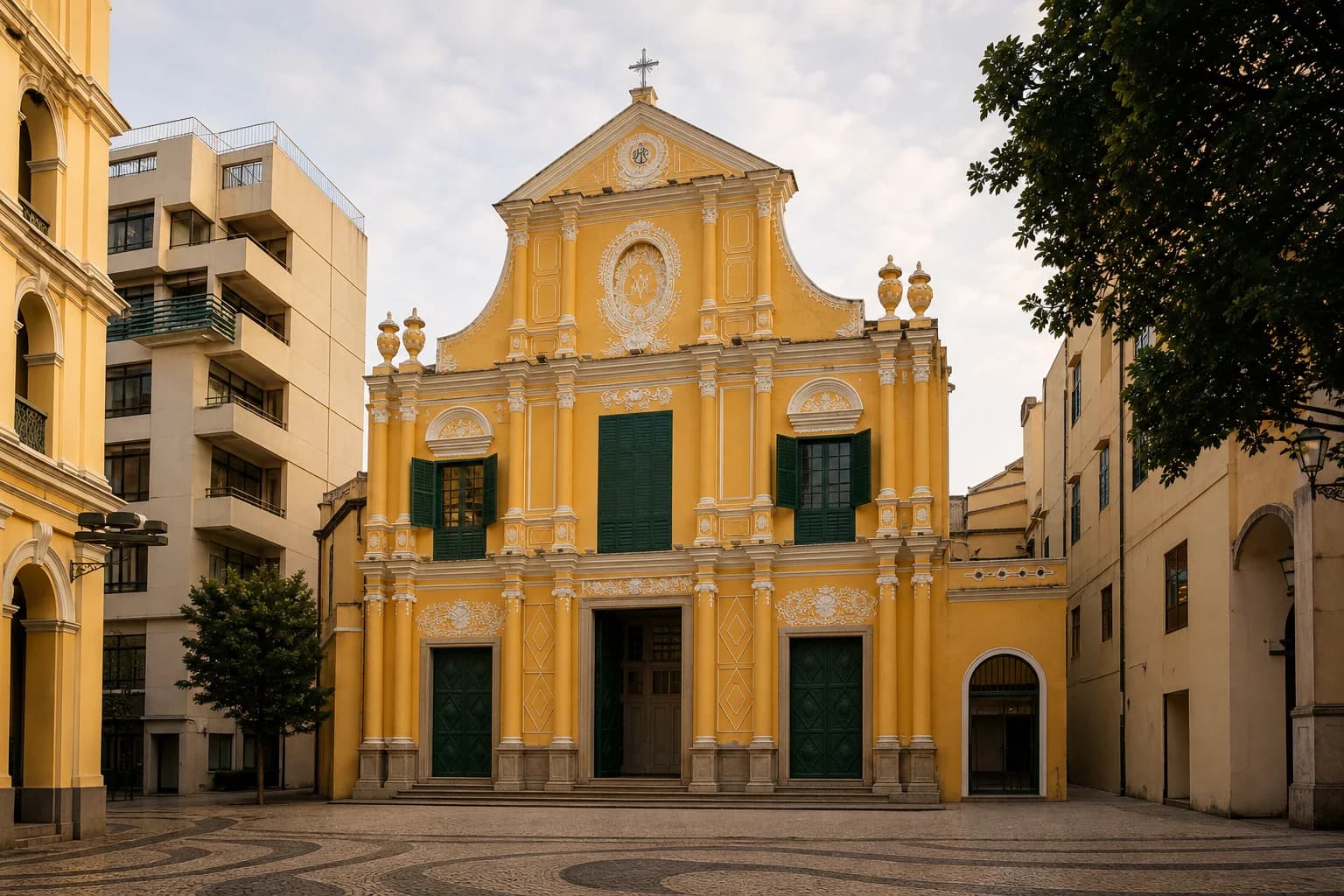
The square is surrounded by well-preserved Portuguese-style buildings that showcase Southern European architectural elements. Walking along Rua do Lilau, you'll find Portuguese residential buildings that harmoniously follow the hillside contours. These structures feature:
- Pristine white walls that gleam in the sunlight
- Green shuttered windows that add a touch of vibrancy
- Red-tiled sloping roofs creating a picturesque skyline
- Exterior details that can be observed from the public streets
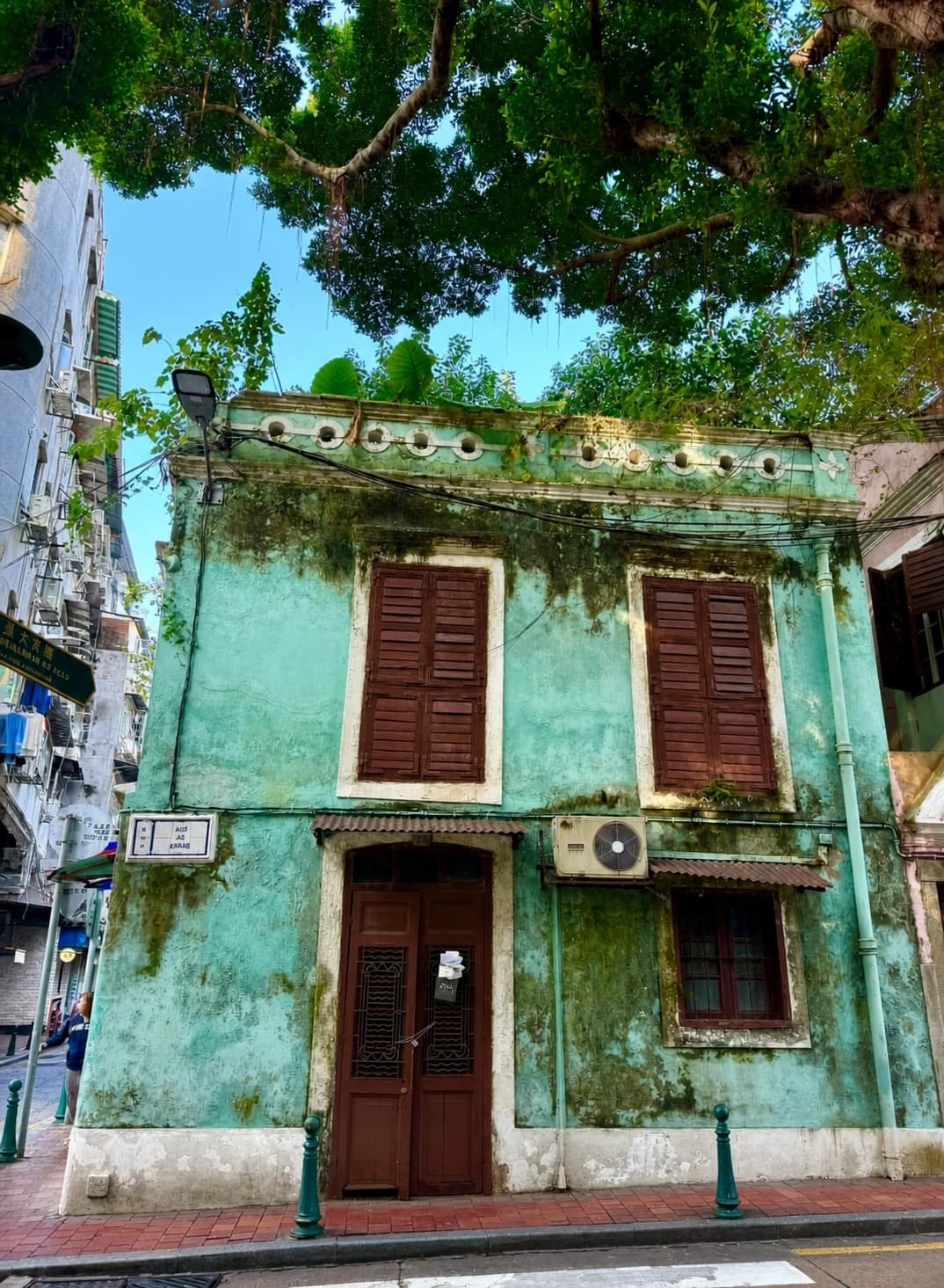
Mandarin's House
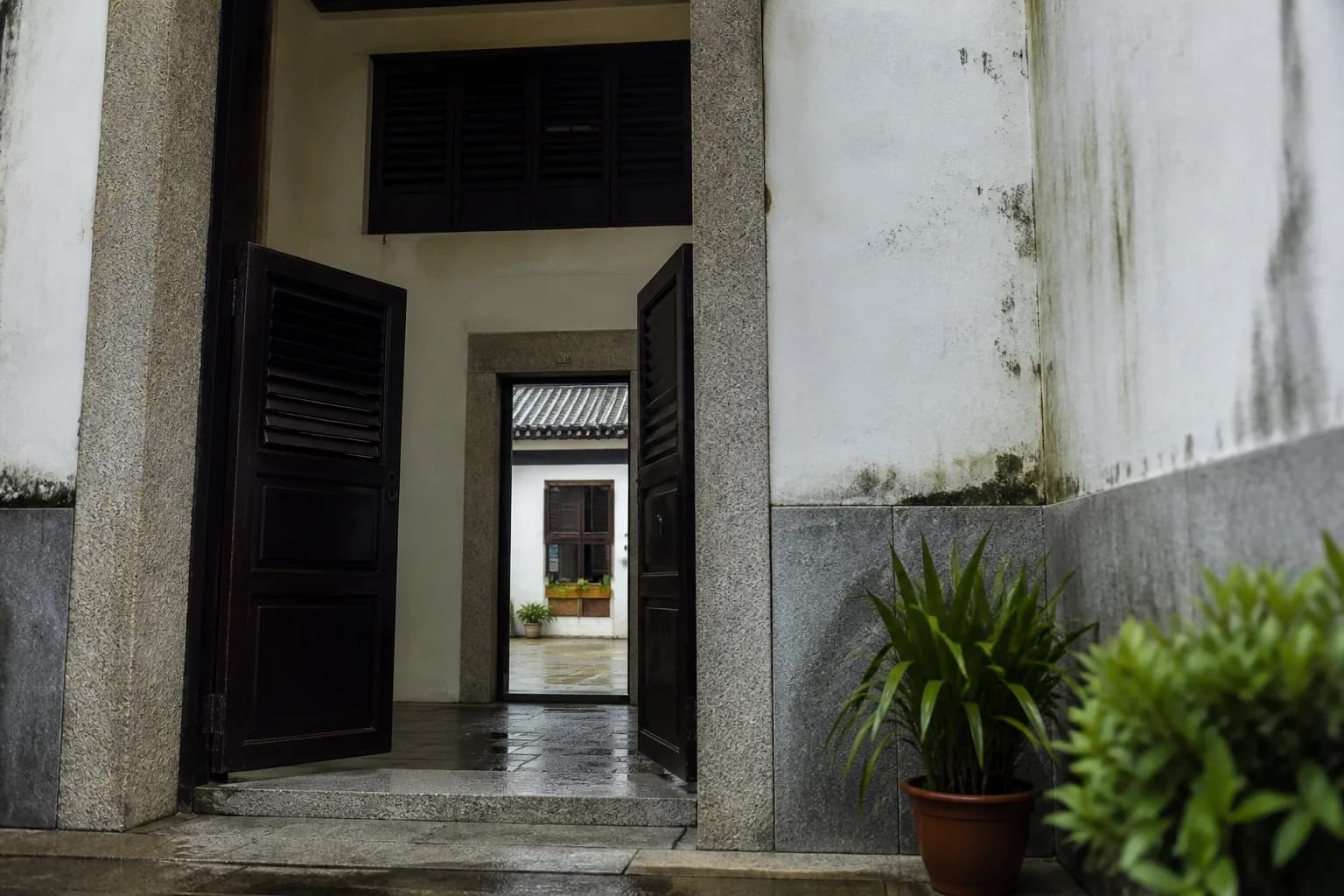
The Mandarin's House (Casa do Mandarim), built before 1869, is one of the square's most prominent features. This 4,000-square-meter complex was the residence of Zheng Guanying, a prominent modern Chinese thinker. The mansion represents a perfect blend of Chinese and Western architectural styles:
- Traditional Lingnan architecture with Chinese sloped roofs
- Western architectural elements in interior design
- Indian mica window panels
- Western-influenced wall treatments
Natural Features
Century-Old Banyan Trees
Two ancient banyan trees stand as silent witnesses to the square's history. Their sprawling canopies provide welcome shade and create a peaceful atmosphere in the plaza. These trees have become iconic symbols of Lilau Square, representing the area's longevity and resilience.
Visitor Information
Best Time to Visit
Lilau Square is beautiful year-round, but visiting during weekdays or off-peak seasons allows for a more peaceful experience. The square hosts various cultural events throughout the year, including the Macau International Music Festival.
Transportation
- From Taipa: Take the Macau LRT to Barra station (媽閣站), then follow the walking route toward Largo do Lilau. Check the official LRT network for your departure station; allow for the street walk and slopes after leaving the station
- Multiple bus routes serve the area
- Taxis are readily available
Food after the heritage walk
For a seated meal on the southern peninsula, Litoral is at 261-A Rua do Almirante Sérgio, with an additional address on Travessa da Prosperidade. The tourism office listing, checked on 9 September 2026, gives lunch 12:00–15:00 and dinner 17:30–22:30. Call +853 2896 7878 to confirm a table and the day's service. This branch suits a return toward the A-Ma side of the walk; distinguish it from Litoral's Taipa branch when navigating.
If Lord Stow's / Andrew's egg tarts are a priority, include them in a separate Coloane visit. The bakery's own Coloane café listing places it at 9 Largo do Matadouro. It is not a café on Lilau Square.
Photography Tips
Best Photo Spots
- Portuguese colonial buildings with their distinctive architecture
- Century-old banyan trees
- Mandarin's House exterior
- Cobblestone streets with traditional patterns
Timing
- Early morning: Soft light perfect for architecture shots
- Sunset: Golden hour creates warm, romantic atmosphere
- Evening: Historic street lamps create atmospheric scenes
Important Notes
- Mandarin's House Opening Hours:
- 10:00 AM to 6:00 PM (last entry at 5:30 PM)
- Closed on Wednesdays
- Visitor Etiquette:
- Maintain quiet in residential areas
- Respect local customs and religious sites
- Keep the area clean
- Dress appropriately when visiting religious buildings
Lilau Square offers visitors a unique glimpse into Macau's colonial past while showcasing the harmonious blend of Chinese and Portuguese cultures. Whether you're interested in history, architecture, photography, or simply enjoying a peaceful moment in one of Macau's most charming corners, this historic square provides an authentic experience away from the busy casino districts.