White Horse Temple
White Horse Temple rewards visitors who want more than a photogenic gate. Its historic Chinese axis, international-style halls, Qiyun Pagoda and continuing Buddhist life create several distinct ways to read the site, while its relatively low-commercial atmosphere gives the visit unusual calm.
A little transport planning protects that value: confirm the exact gate, drop-off, booking slot and return before leaving central Luoyang, especially in heat or busy periods.
Reserve through the live official path
A 2026 official festival notice required timed real-name booking through the temple's official WeChat channel and allowed entry with the registered identity document or booking QR code. Its festival hours are dated, not a normal-year promise.
The ordinary foreign-passport field behavior remains unverified. If booking with a passport, confirm whether the official form accepts it directly, whether staff can process it and which original document must be shown. Use the official channel rather than a social seller offering a “fast pass.”
A visit in three stages
Start with the historic Chinese axis. Walk through the sequence of open courtyards before branching into other zones. At each hall, look at the threshold, roofline and arrangement of the worship space rather than treating every stop as another façade photograph. If you choose a guide, ask for an explanation of this historic core first; one history-focused visitor found the axis more rewarding than trying to cover every area.
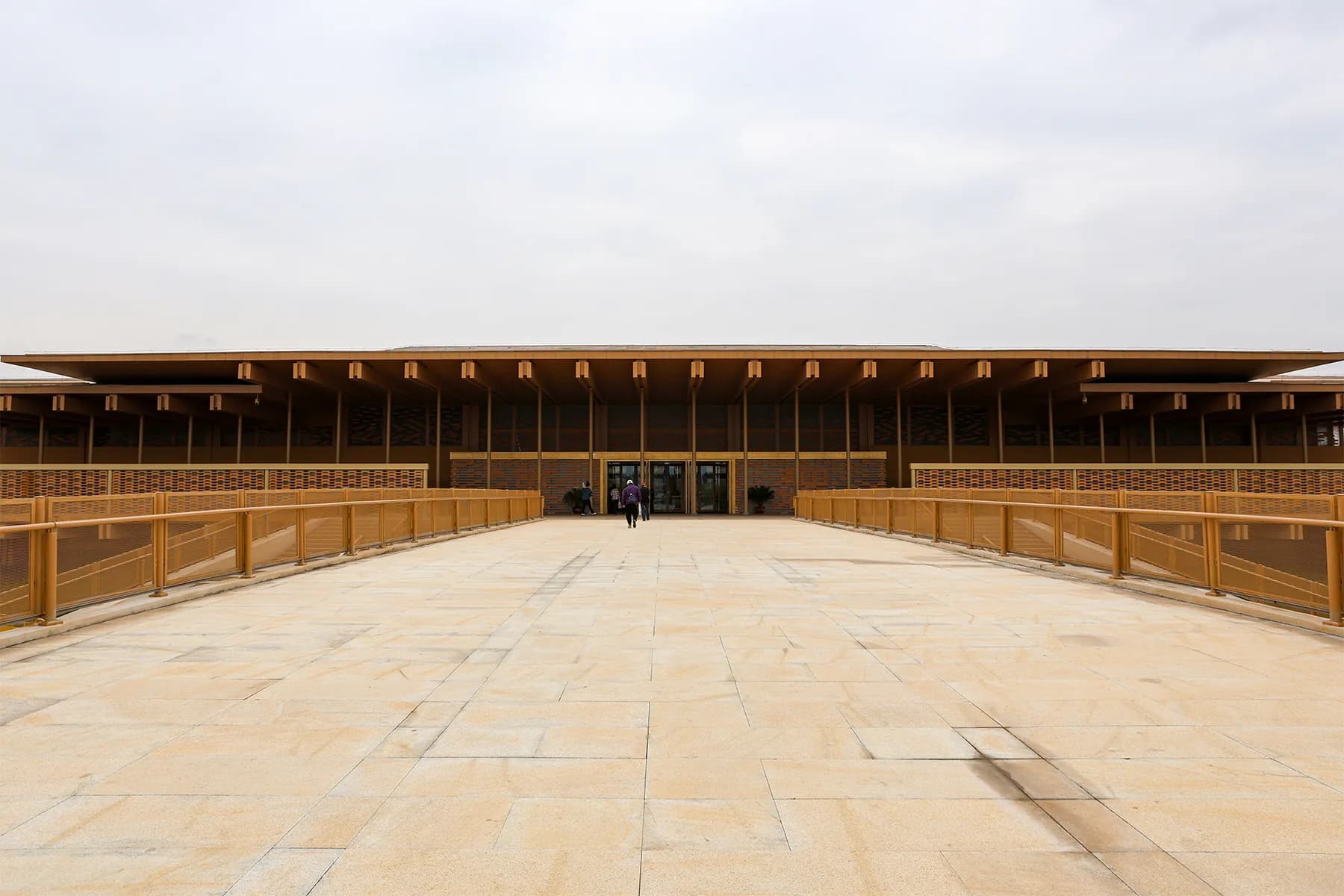
Choose one extension that matches your interest. The international-style halls suit a visit focused on architectural comparison: notice how roof shapes, exterior decoration and the setting of worship spaces change from the Chinese core. They are a different part of the visit, so do not read every building as evidence of the temple's earliest history. If the pagoda is your main interest, choose the Qiyun Pagoda area instead, following the current map to its permitted approaches. You can return another time for the remaining zone.
Pause before adding more walking. A summer visitor combined an early temple visit with a quiet tea-house break and an afternoon rest back at the hotel. Treat this as a useful pacing idea rather than a guaranteed tea-house service: use an available designated rest area, and respect any silence rules. In strong heat, finishing one area well is preferable to rushing between all three before a second outdoor attraction.
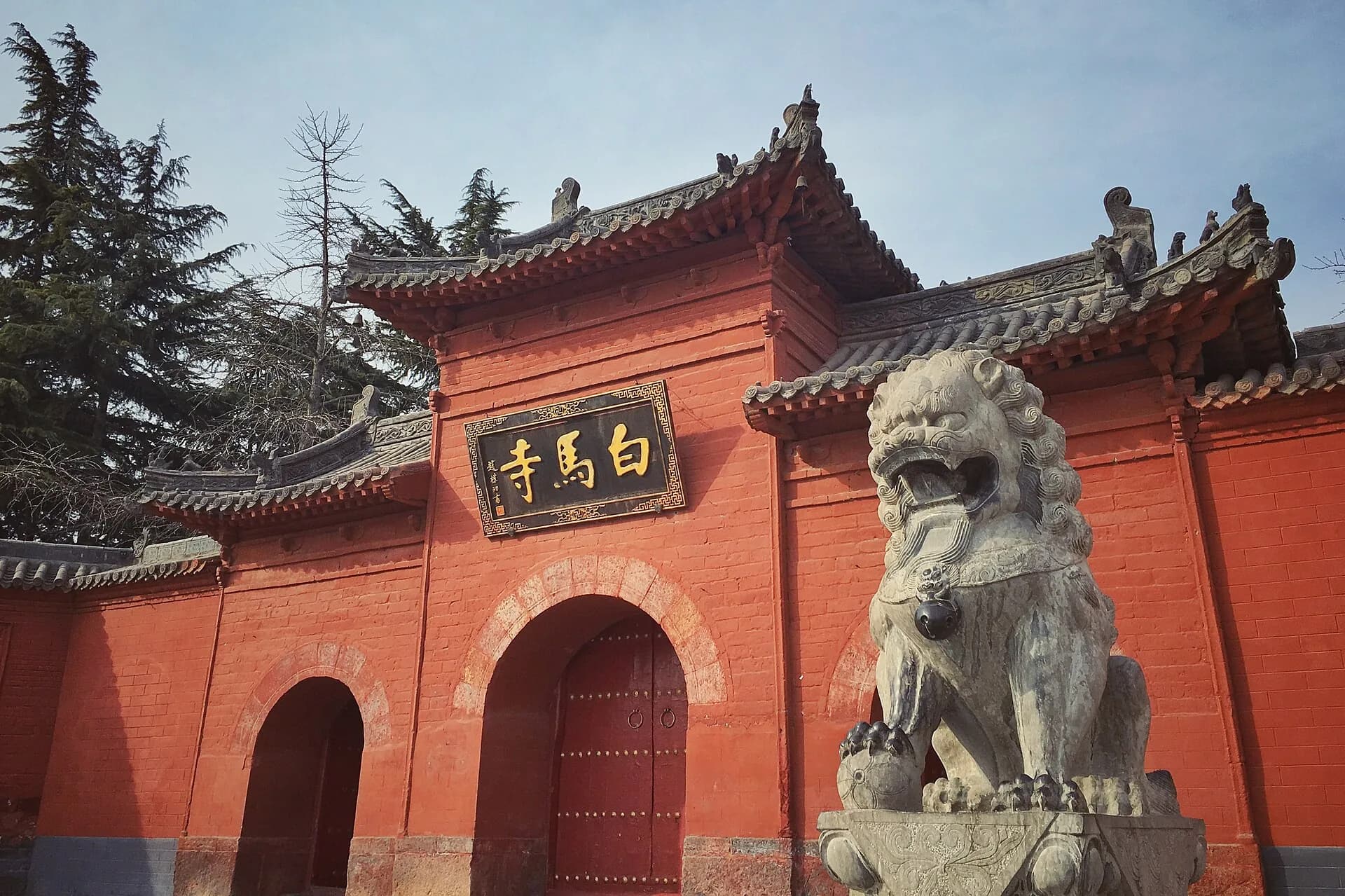
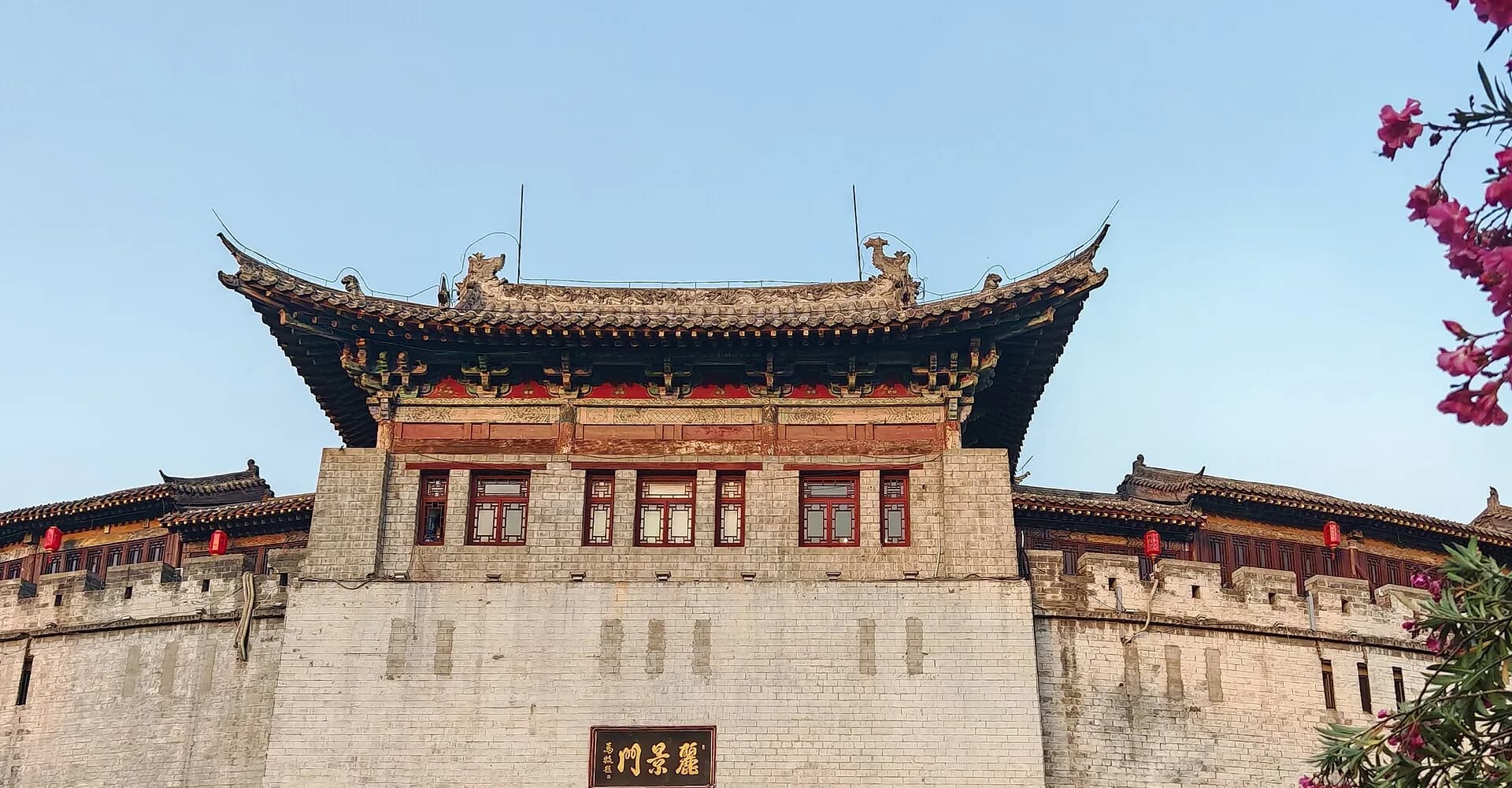
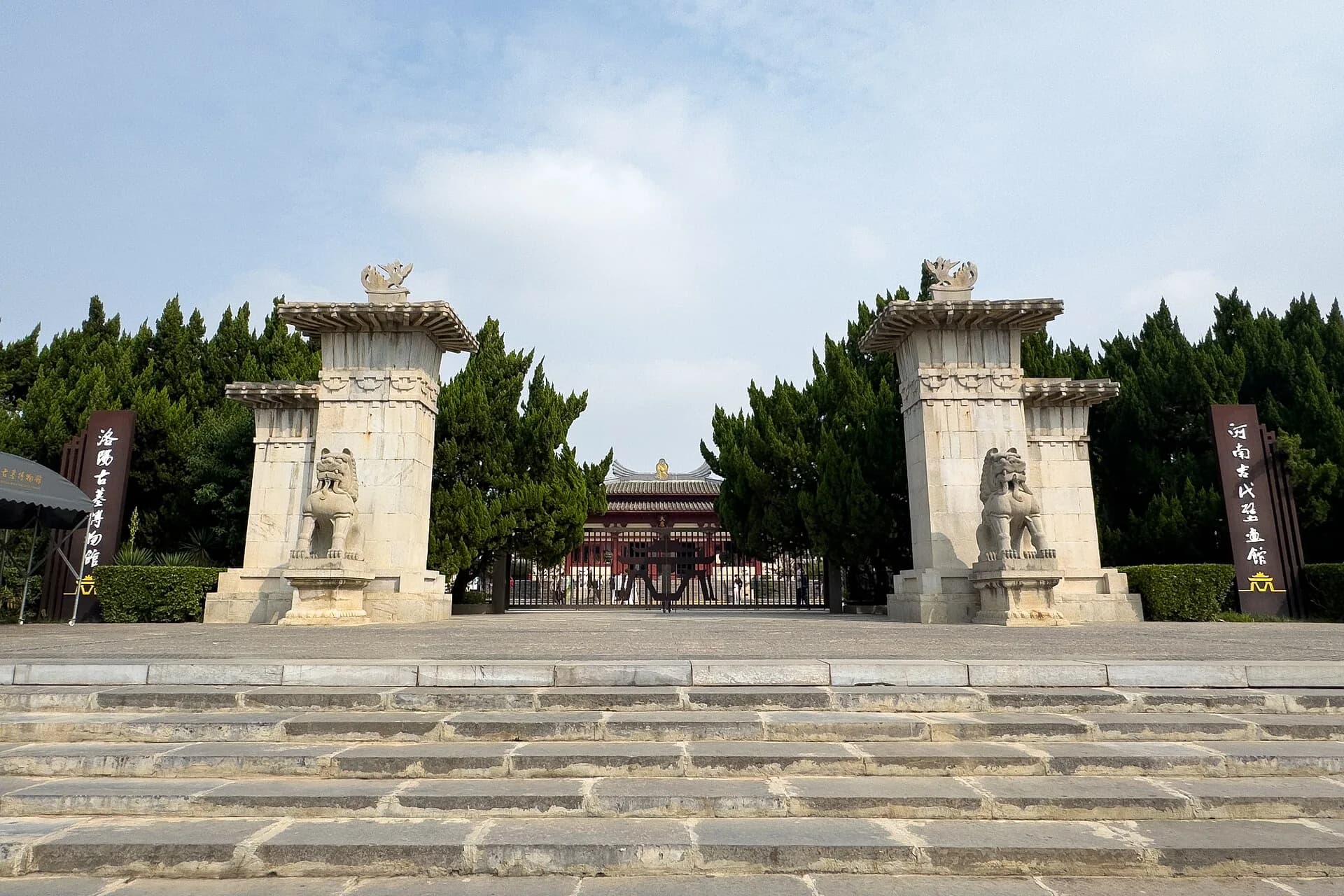
Photo: Windmemories · Source · CC BY-SA 4.0
The 2017 shanmen view establishes the temple's architectural character; follow the current signs for today's entrance and open halls.
Religious-site rules
- Give worshippers priority and keep doorways and ritual paths clear.
- Enter only halls open to visitors.
- Follow the direction shown by staff and signs.
- Let devotional acts remain worship rather than a photo pose.
- Photograph only where permission is clear, and leave objects and restricted interiors untouched.
- Keep commercial costume photography outside any area where it disrupts worship.
Build both arrival and return
Visitor reports conflict on drop-off points, shuttle frequency, fares and outbound ride-hailing. AMap now verifies the temple map location, a separate bus stop and a named Han–Wei shuttle lead; current operator confirmation still controls permitted drop-off, frequency and last return.
Confirm:
- the live public entrance and permitted drop-off for the verified temple map location;
- walking segment from the drop-off;
- current shuttle or public-transport operator, if used;
- a final pickup point and fallback if ride-hailing is unavailable;
- separate timing if paired with Han–Wei Luoyang City.
Proximity does not make the pair quick. Han–Wei can take hours and has an exposed outdoor landscape; White Horse can become queue- and heat-sensitive.
Final verdict
Choose White Horse Temple for an active religious site with several architectural worlds in one visit. Reserve through the live official channel, arrive with respectful expectations and settle the return journey before exploring.