Luoyang Peony Season
Luoyang's signature spring spectacle unfolds across multiple gardens rather than one field. Tree-peony cultivars open in waves, and later herbaceous peonies extend the color. The current official flower bulletin lets you choose the garden, named zone and species that look strongest on your date.
Think of the season as a moving citywide route: today's bulletin is the map.
The five-step live decision
- Open the current Luoyang Peony Festival information site and find the dated daily flower report.
- Confirm the garden, calendar date and named zone—not just “Luoyang.”
- Check whether the report means outdoor tree peonies, controlled indoor flowers or later herbaceous peonies.
- Compare current ticket, entrance, crowd notice and location with your existing route.
- Choose the garden only when its live display fits naturally beside Longmen, a museum or your existing city route.
Use a dated bulletin rather than an undated flower photo or generic summary.
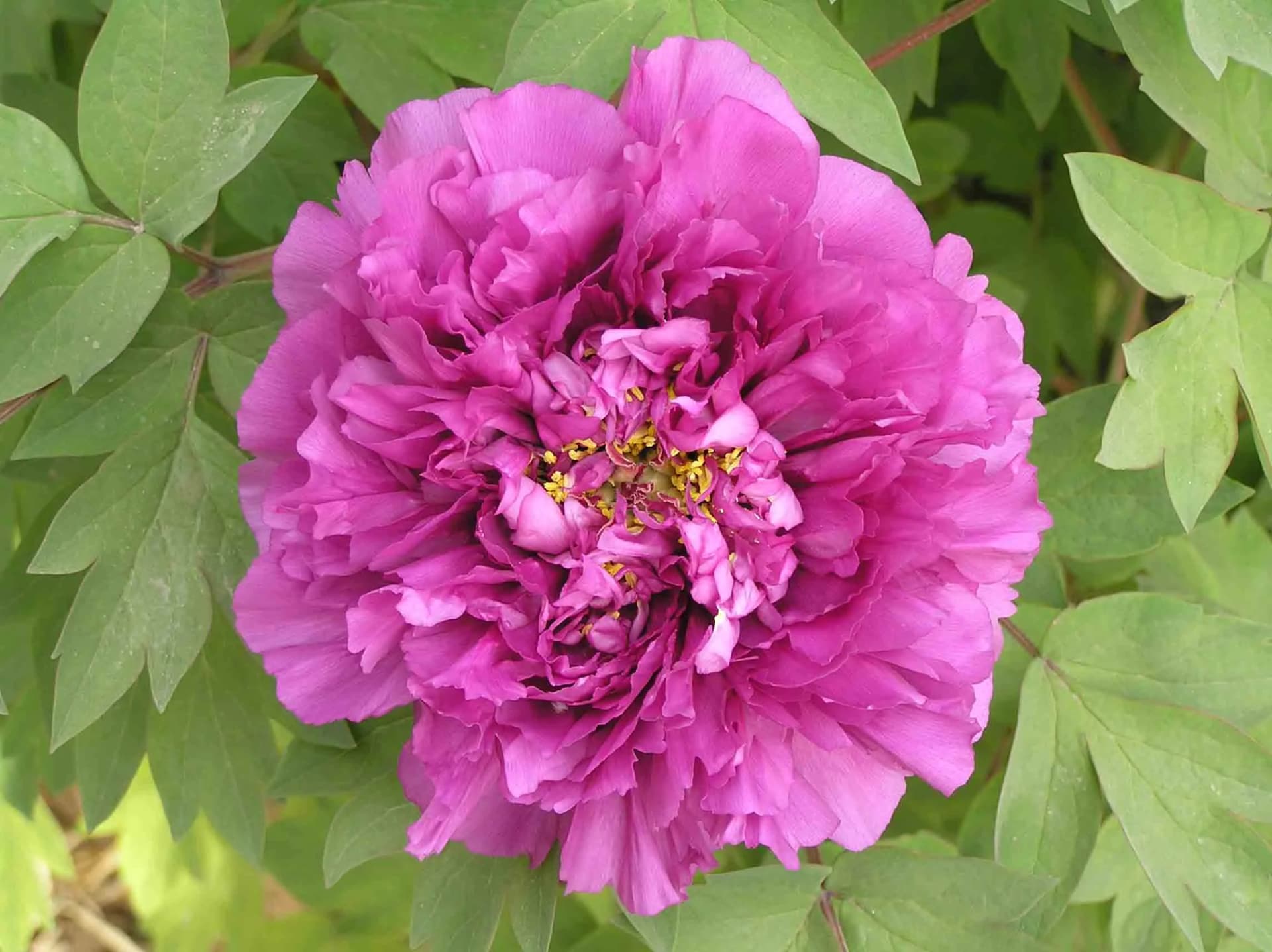
Photo: 阿橋 HQ · Source · CC BY-SA 2.0
This Luoyang Red cultivar shows the layered petals and saturated color that make tree peonies the season's visual focus; use the live bulletin for today's display.
Tree peony versus herbaceous peony
Luoyang's headline plant is the woody tree peony (Paeonia section Moutan). Herbaceous peonies die back to the ground and often flower later. Both can be beautiful, but a visitor promised fields of tree peonies should not be quietly redirected to a later herbaceous display without explanation.
Late season simply changes the flower mix. Some visitors find worthwhile pockets of tree peonies, while others build the visit around later herbaceous displays. Date, garden, zone and species make that choice clear.
Match gardens to the live season
Central gardens such as Wangcheng Park, China National Flower Garden and Sui–Tang Botanical Garden can fit a city route, while northern gardens often hold later-bloom products. A single garden may contain early, peak, late and controlled zones.
Do not turn that general sequence into an annual schedule. In 2026, the official forecast warned that weather could move its dates, and an April 22 bulletin redirected late visitors among specific gardens and controlled displays. Those records prove the workflow, not the answer for another day or year.
Fit the garden into the city day
Morning usually gives a cooler garden walk and more room for close observation, while later visits can pair more easily with an urban museum or evening plan. Compare the named zone, current queue notice and your transfer time before choosing.
Every garden choice still needs current passport purchase behavior and the dated bloom bulletin. AMap verifies National Peony Garden about 6 km / 16 planning minutes by car from Luoyang Station; compare that transfer with the day's strongest reported zone.
Final verdict
Luoyang's peony season is worth planning around when today's bulletin identifies a strong species and zone. Match that live display to your city route, then give the flowers a focused 90-minute to half-day visit.