Longmen Grottoes
Longmen is a World Heritage landscape where Northern Wei and Tang Buddhist art unfolds cliff by cliff beside the Yi River. Its most satisfying visit follows the official single-direction sequence—West Hill → East Hill → Xiangshan Temple → Baiyuan—so the art, river crossing and garden finish form one continuous story.
That order matters. Recent visitors report missed stops and unnecessary walking when they treated Baiyuan, the service areas and the main grottoes entrance as one interchangeable pin.
Daytime or night?
Choose daytime when sculpture detail and fuller coverage matter. The official daytime product currently names West Hill, East Hill, Xiangshan Temple and Baiyuan.
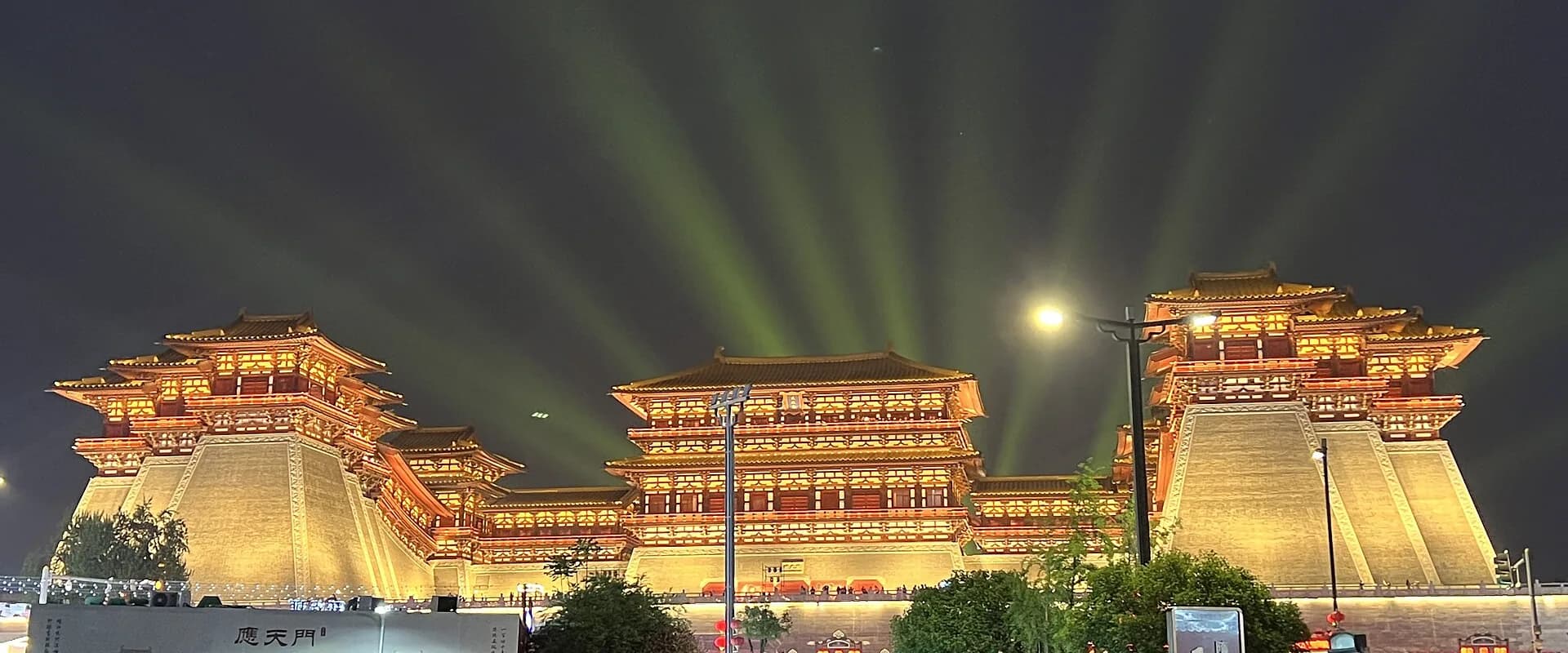
Choose the night product when the lit West Hill view from across the river is the priority. The dated 2026 night-season notice opened that season from March 30; the official guide focuses the night product on West Hill and Xiangshan Temple rather than East Hill and Baiyuan. Recheck the live date, route and clearance time for your year.
Recent reports describe the shortest night slot as compressed. Think of it as a lighting-and-river-view product, while daytime remains the stronger choice for close sculpture reading and fuller coverage.
West Hill is the interpretive core
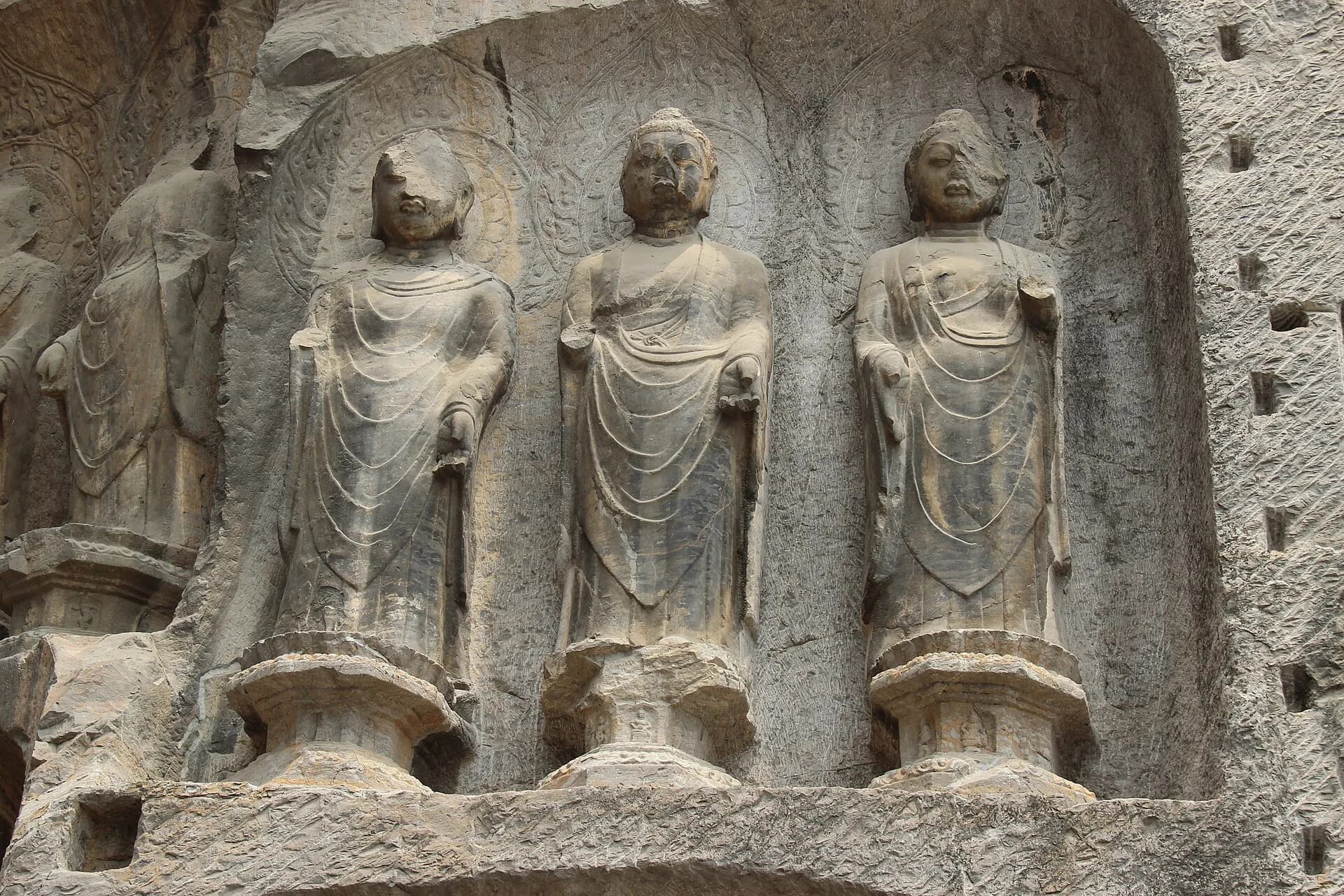
The most important cave and niche sequence sits on West Hill. Expect repeated stairs, uneven vertical changes and narrow viewing points. The approach from either service area adds walking before the grottoes themselves, even when a current e-cart product operates.
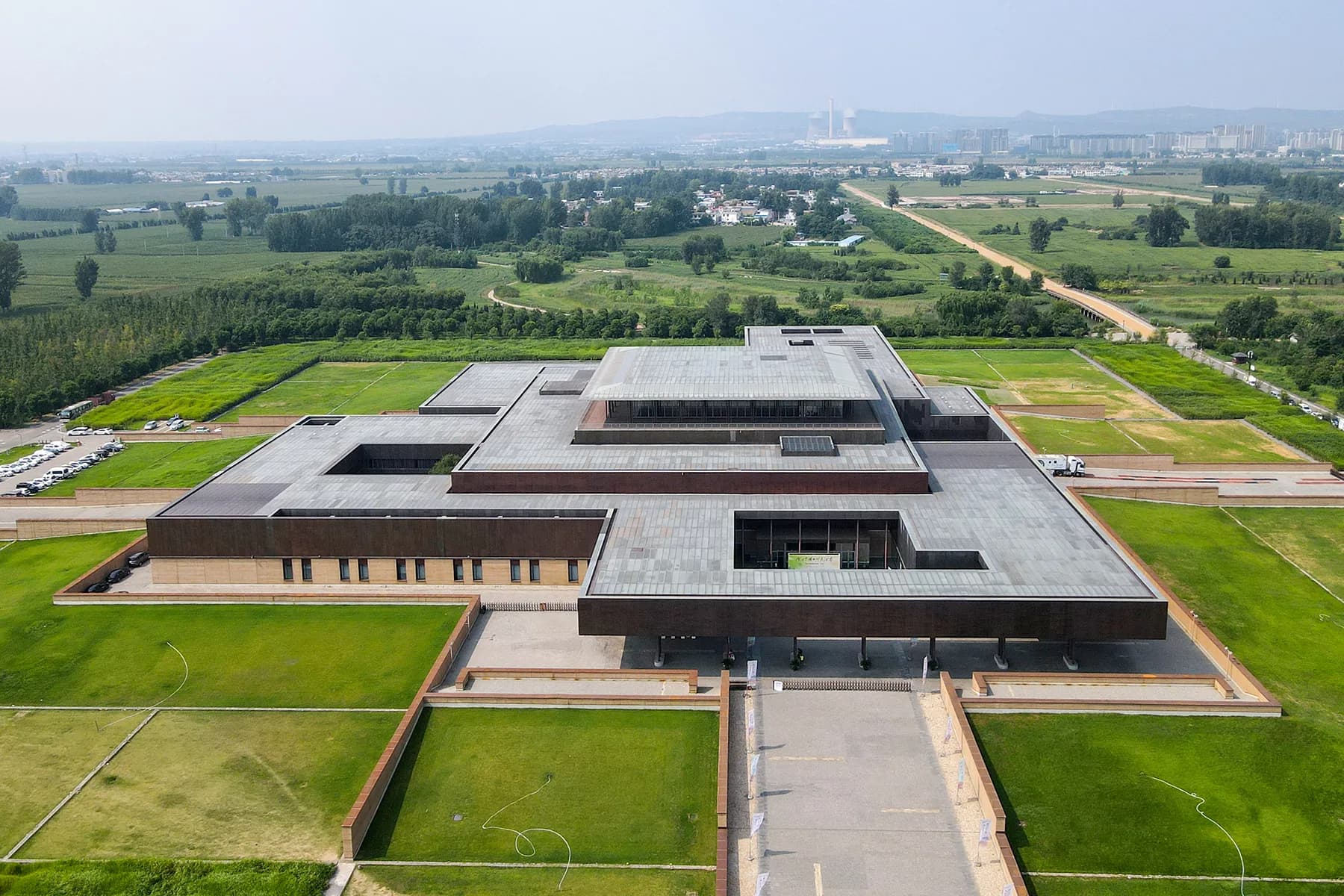
Plan distance from the service area named by your product. AMap verifies the northwest visitor centre, the separate northeast service area and the West Hill core. The northwest-to-West-Hill walking result is about 1.9 km and 25 planning minutes before stair-heavy viewing; the live operator still controls gates and sightseeing vehicles.
The close view reveals weathered surfaces and carving detail; today's barriers, open niches, route and lighting follow the live conservation plan.
Choose the starting logic
Use one of two plans after the operator verifies the gates:
- Standard art-first: enter for West Hill, cross once, then decide whether East Hill, Xiangshan Temple and Baiyuan fit before their live cutoffs.
- Baiyuan-first day-to-night: use only when the current vehicle and ticket rules explicitly allow it, then return to the verified West Hill entrance and cross for the opposite-bank evening view.
A recent visitor completed the second plan, but drivers may default to the main grottoes stop. One report is not proof of a permanent shuttle, re-entry rule or stop name.
Interpretation changes the visit
Thousands of niches become far more legible with a historical question. Choose official bilingual interpretation if the live service and language are confirmed, or prepare a fact-checked self-guided sequence. Keep timed admission in the official channel even when booking a separate guide.
Give the carvings space: remain behind barriers, follow flash rules and let conservation closures shape the available sequence.
Passport and official-channel gate
The official Longmen site controls current ticket, time and route information. The official guide describes real-name checks but does not clearly document the ordinary foreign-passport field and all four checkpoint behaviors. Confirm those directly before visiting and carry the original document tied to the booking.
The Trip.com Longmen listing is commercial inventory. It does not replace official timed admission or conservation rules. Confirm exact inclusion, passport handling, interpretation language and cancellation before paying.
Final verdict
Choose daytime for the complete art-historical route or night for the shorter lighting-and-river-view product. Budget for the approach and West Hill stairs, cross the river deliberately and use the service-area node named by the dated product.