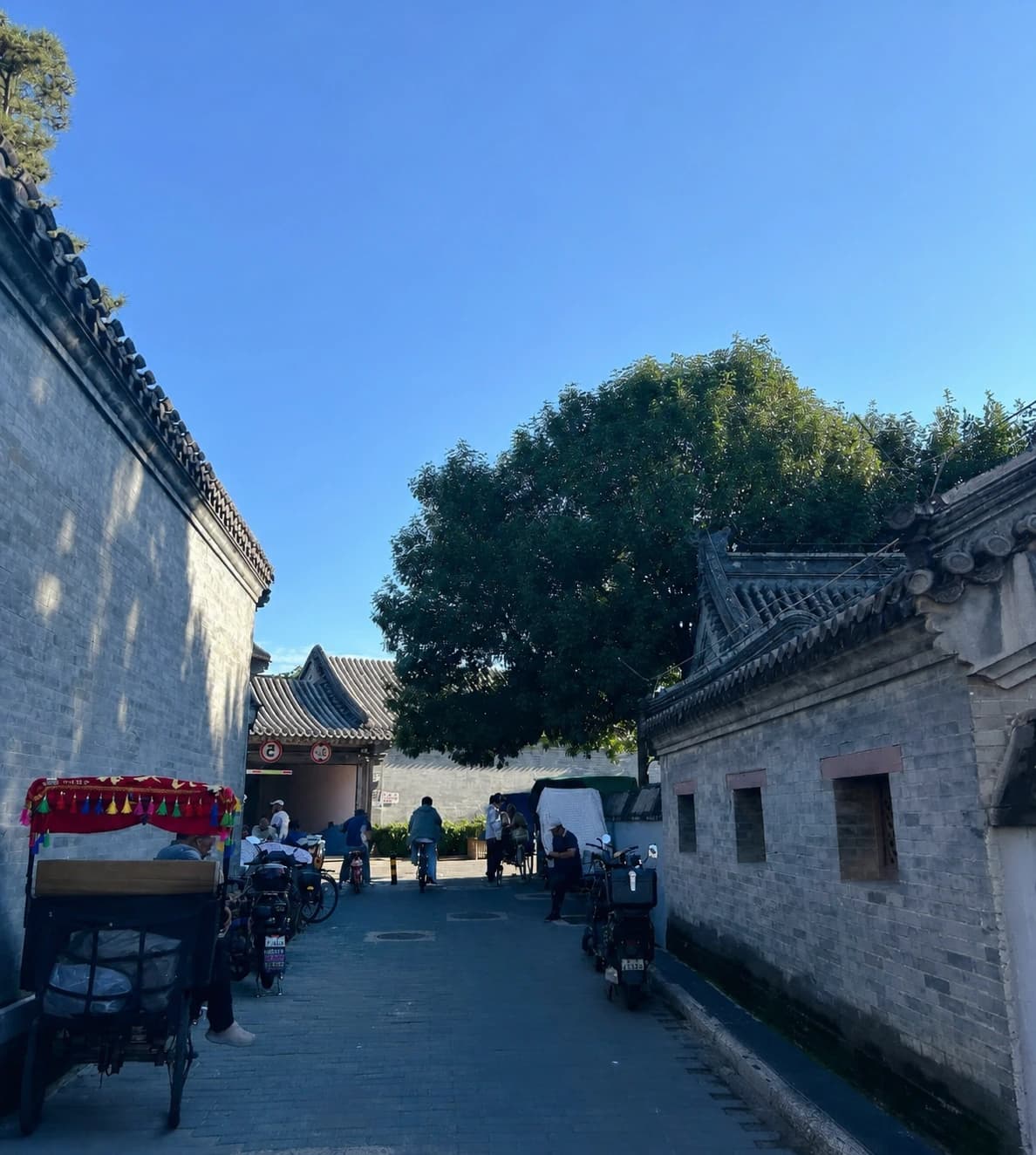
Nanluoguxiang Beijing
Nanluoguxiang (南锣鼓巷, Nánluógǔxiàng), often called South Luogu Lane, is one of Beijing’s oldest and most renowned hutong thoroughfares, dating back over 700 years to the Yuan dynasty. Centered on an 800-meter north-south spine flanked symmetrically by 16 traditional side alleys (a classic "fishbone" urban layout), it offers a vibrant blend of preserved courtyard homes (siheyuan), former residences of literary and artistic masters, independent boutiques, and contemporary street-food culture.
Why Visit Nanluoguxiang
- Experience classic Yuan-dynasty "fishbone" hutong urban planning
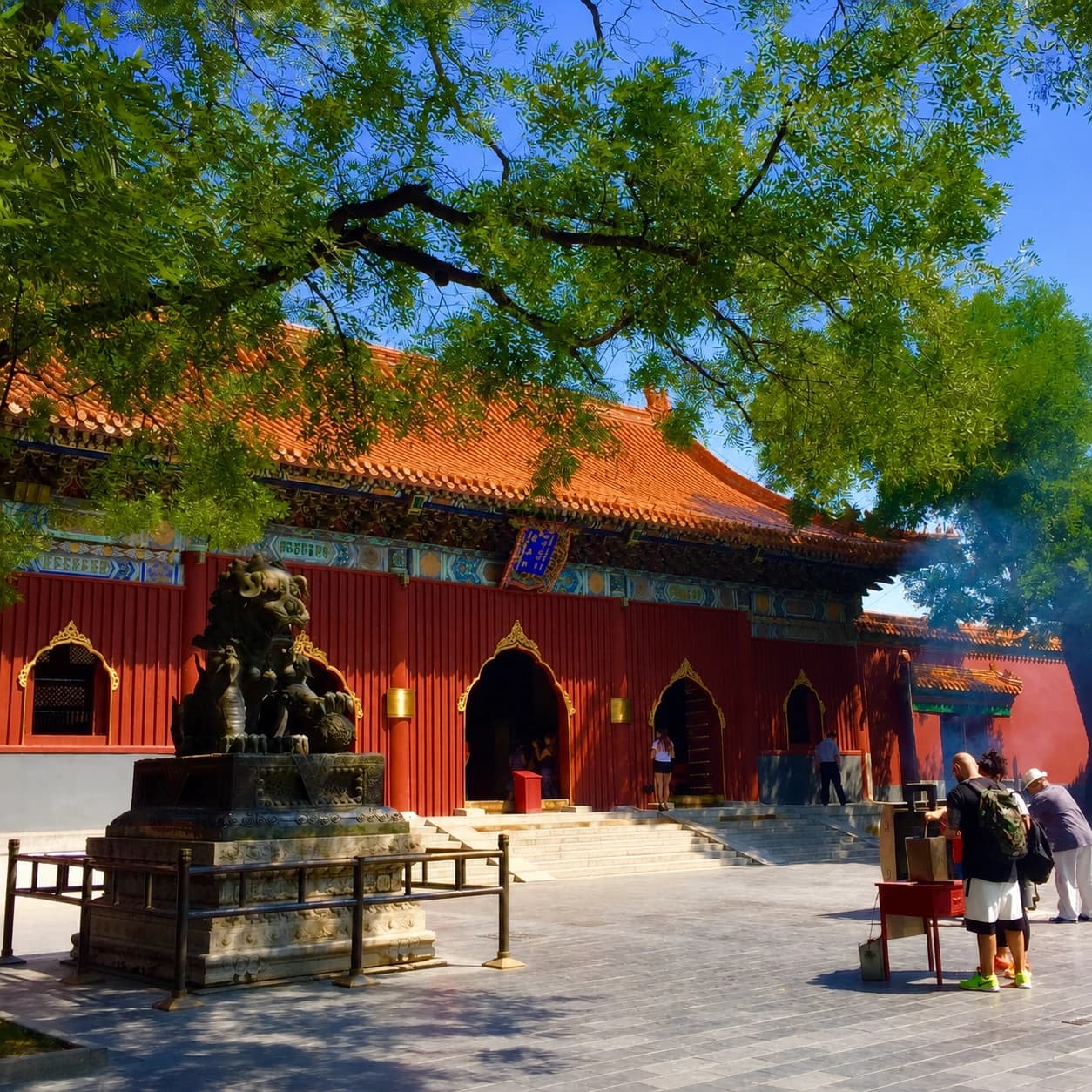
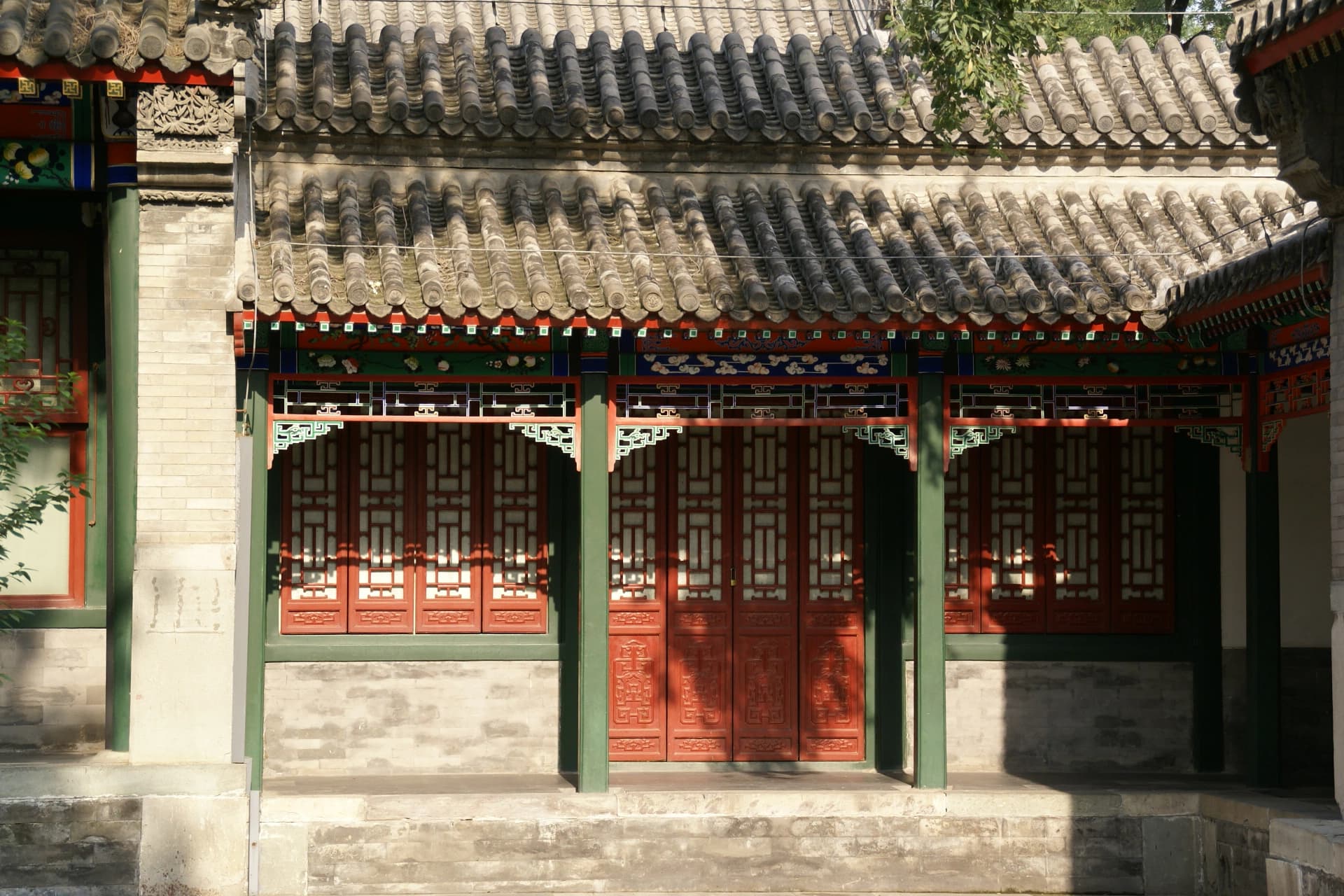
- Explore traditional courtyard architecture (siheyuan) and historic stone entry carvings
- Visit the well-preserved former residences of renowned Chinese writers, artists, and dignitaries
- Discover boutique indie shops, teahouses, and artisanal cafes housed in heritage buildings
- Enjoy convenient walking access to the Drum and Bell Towers and the scenic Shichahai lakes
Recommended Route
Main Walking Route
- Start at the south archway. Walk only far enough along the commercial spine to understand its scale and crowd level.
- Turn west into Yu'er Hutong. Use the lane for courtyard entrances, trees and neighbourhood texture. AMap places the Qi Baishi Former Residence Memorial Hall about 0.3 km / 5 minutes on foot from Nanluoguxiang Station Exit E; enter only if its public area is open.
- Continue through Mao'er Hutong. Look at door drums, rooflines and the width of residential thresholds. Keyuan and other compounds are not guaranteed walk-in attractions.
- Return toward the north end by a different side lane. This reveals the fishbone street pattern without repeatedly pushing through the busiest central stretch.
- Choose one finish. Continue north to the Drum and Bell Towers for the Central Axis, or turn west toward Shichahai for a lakeside walk. Trying to add both plus every former residence turns a compact hutong visit into a rushed checklist.
Opening Hours & Admission
- Hours: The public lane has no single attraction timetable; shops, museums and courtyards keep their own hours.
- Admission and reservation: The public lane is free and does not have one scenic-area reservation. Individual historic residences, museums, campuses and courtyards keep separate access, reservation and ticket rules.
- Best Time to Visit: Early morning (before 10:00) for quiet architectural strolls, or late afternoon into evening for shopping, dining, and lantern-lit nightlife
Transportation Guide
By Metro
- Line 6 or Line 8: Nanluoguxiang Station (Exit E opens directly at the south entrance archway)
- Line 8: Shichahai Station (Exit A2, for approaching from the northwest side)
By Bus or Taxi
Bus routes and stops change more often than the hutongs. Check a live map for the south or north end you actually need. Taxi pickup immediately beside the commercial lane can be restricted or unreliable when crowds and traffic controls build, so walk to the live pickup point rather than insisting on the archway. Parking is difficult in the protected old-city street network; metro and walking are usually simpler than a private car.
Facilities and Amenities
Restrooms and breaks
Use the metro facilities before starting and follow current public-toilet signs in the district. Do not rely on an old restroom map: individual facilities can close, and side lanes remain residential streets rather than a managed scenic-area circuit.
Key Attractions
1. Cultural Sites
-
Nanluoguxiang Folk Culture Exhibition Hall
- Displays original maps, historical photographs, and architectural relics tracing the evolution of Beijing hutongs.
-
Central Academy of Drama (Zhongxi)
- An active educational campus, useful as an urban landmark rather than an assumed sightseeing interior.
-
Qi Baishi Former Residence Memorial Hall (Yu'er Hutong)
- A serene courtyard residence where the master ink-wash painter lived and worked.
-
Mao Dun's Former Residence (Houyuan'ensi Hutong)
- A charming, leafy siheyuan residence commemorating one of modern China's greatest novelists.
-
Keyuan Garden (Mao'er Hutong)
- A historically important private garden compound. Appreciate its place in the lane's history without assuming public entry.
2. Shopping and Dining
Nanluoguxiang is a busy commercial street with chain concepts, souvenir stalls and changing independent tenants. A useful purchase should show who made it, what material or craft it uses and why it belongs here. For food, choose a visible kitchen, a posted price and a short queue; the street still works as a walk if nothing earns a stop.
Essential Tips
-
Best Visiting Times
- Weekday mornings: Quietest time to admire courtyard doorways, carved stone door drums (mendun), and old trees
- Late afternoon: Soft golden light ideal for courtyard photography
- Evenings: Lively street ambiance with glowing lanterns, boutique dining, and music
-
Explore the Side Hutongs
- The main central lane can become crowded during peak hours. Choose one or two of Mao'er, Yu'er or Banchang Hutong to read the street pattern; a checklist of all 16 side lanes adds distance and intrudes on residential life without improving the visit.
-
Cultural Etiquette
- Remember that surrounding courtyard homes are active private residences. Keep voices low in residential alleys.
- Do not push open closed private gates or photograph through doorway curtains without permission.
- Support independent local artisans, bookshops, and teahouses.
-
What to Bring
- Comfortable flat walking shoes (the street is paved with stone flagstones)
- Refillable water bottle
- Fully charged phone or camera
- A small amount of cash as a fallback; Alipay and WeChat Pay are widespread, but not every small vendor or foreign account works without friction
Nearby Attractions
-
Drum Tower & Bell Tower
- Located a short 5–10 minute walk from the north end of Nanluoguxiang
- Historic timekeepers of imperial Beijing offering panoramic views over the old city axis
-
Shichahai Lakes (Qianhai & Houhai)
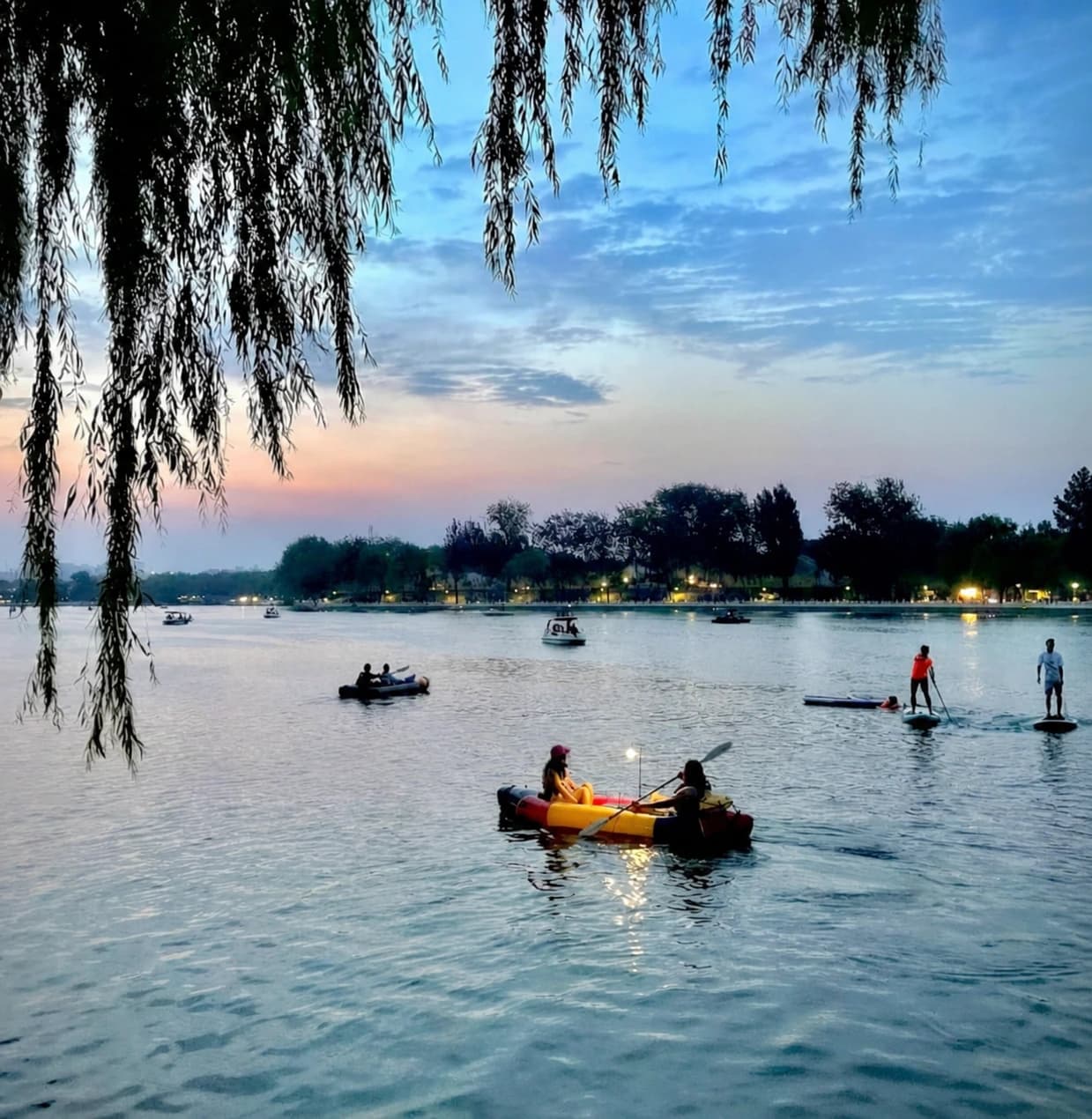
- Willow-fringed lakes with boat rentals, historic teahouses, and live-music bars
- Located just 10 minutes west along Yandai Xiejie or Gulou West Street
-
Guozijian & Confucius Temple
- Ancient imperial university and Confucian ritual sanctuary
- Located about 15 minutes northeast along Jiaodaokou and Guozijian Street
Weather and season
Summer heat makes the exposed commercial spine tiring, so use a morning start and shaded side lanes. Rain and winter ice make stone paving slippery. Autumn color and snow can improve the streetscape, but neither is guaranteed; plan the route around the neighbourhood and nearby finish rather than a seasonal photo promise.